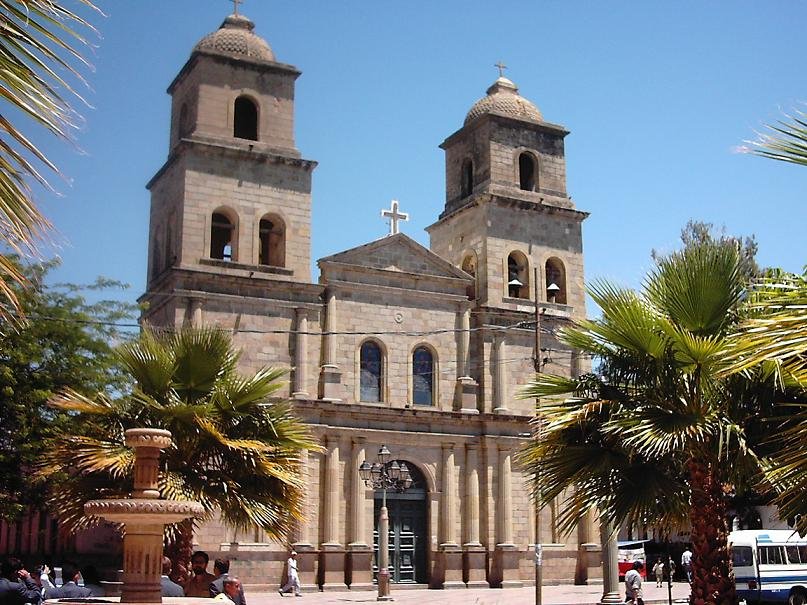
Tarija is the most Argentine city in Bolivia — in the best possible way. Its people are descended from gauchos who drifted north across the border, and the city still carries that unhurried, slightly European character you find in places like Jujuy and Salta. The climate is warm and dry, the squares are leafy, and the food and wine are dramatically better than you'd expect at this altitude.
The real draw is the wine. The Valle de la Concepción, 15 km south of the city, is the heartland of Bolivian viticulture. The Concepción and Kohlberg wineries produce bottles that hold their own against anything from Mendoza. You can drink well here for very little money. There's something Mediterranean about the place: the light, the vines, the way people speak (locals are said to sound more like Spaniards than Bolivians).
In the city itself, the main plaza with the Catedral de San Bernardo is the social centre, and the ornate Casa Dorada is the most distinctive building. The Mercado Campesino is the place to eat saice — the local beef stew that is Tarija's signature dish — and to see the valley's extraordinary produce. The Museo Paleontológico tells a story that surprises most visitors: the Tarija Valley is one of the richest Pleistocene fossil sites in South America, with mastodon and giant ground sloth bones found in the valley's clay deposits.
For a town often overlooked between Potosí and the Argentine border, Tarija punches well above its weight. It's a place to slow down for a few days, eat well, and plan a scenic border crossing.