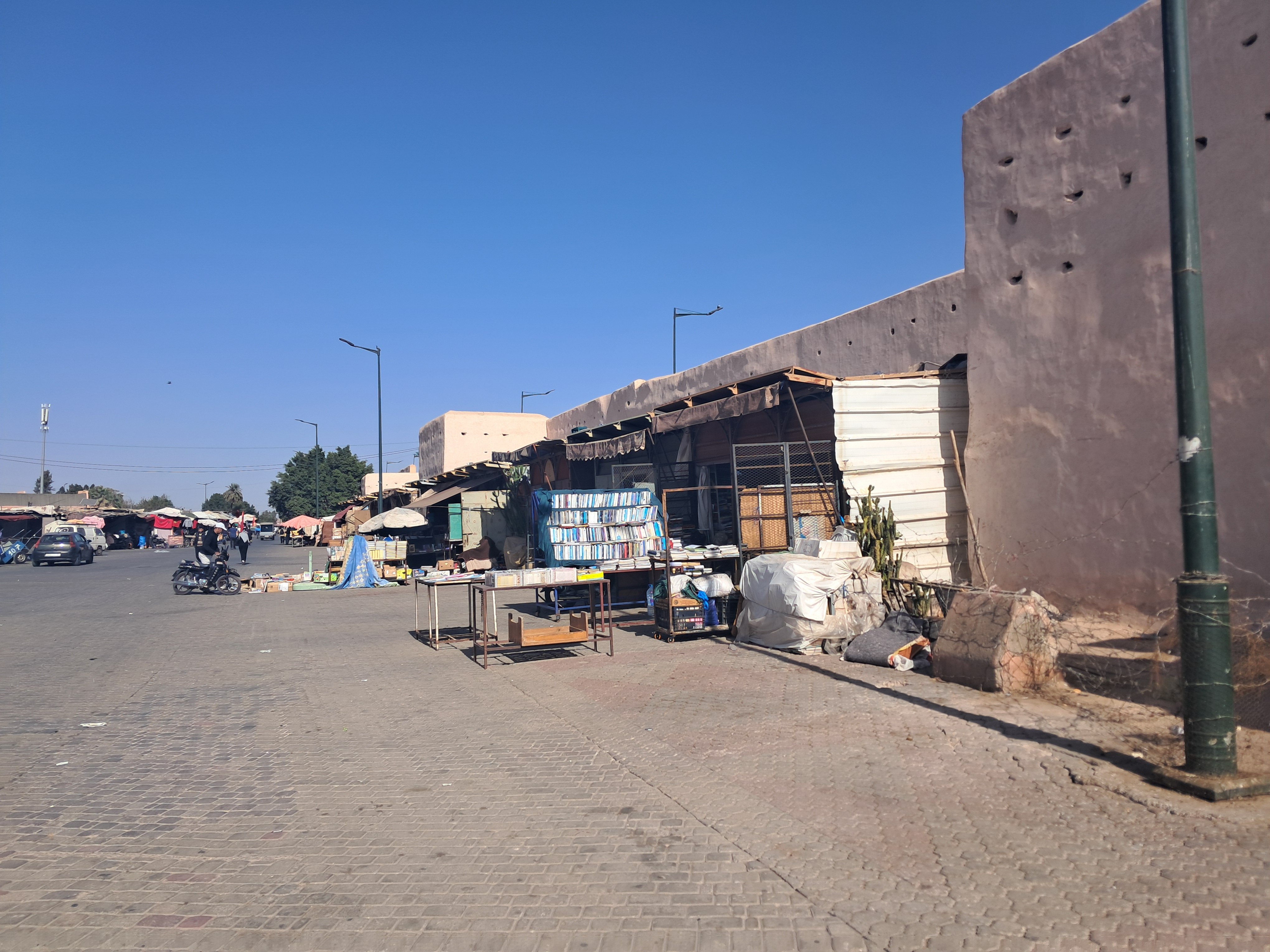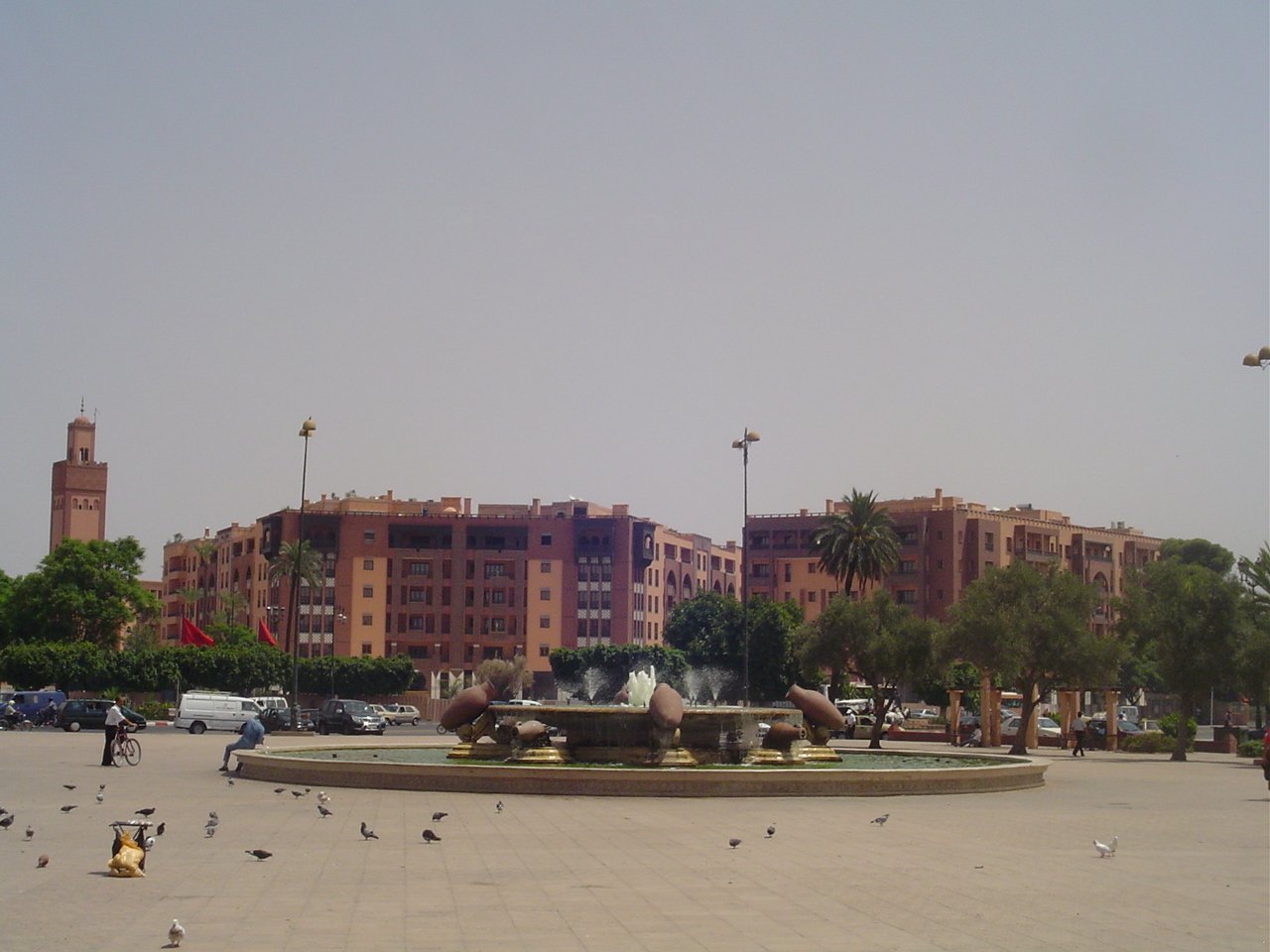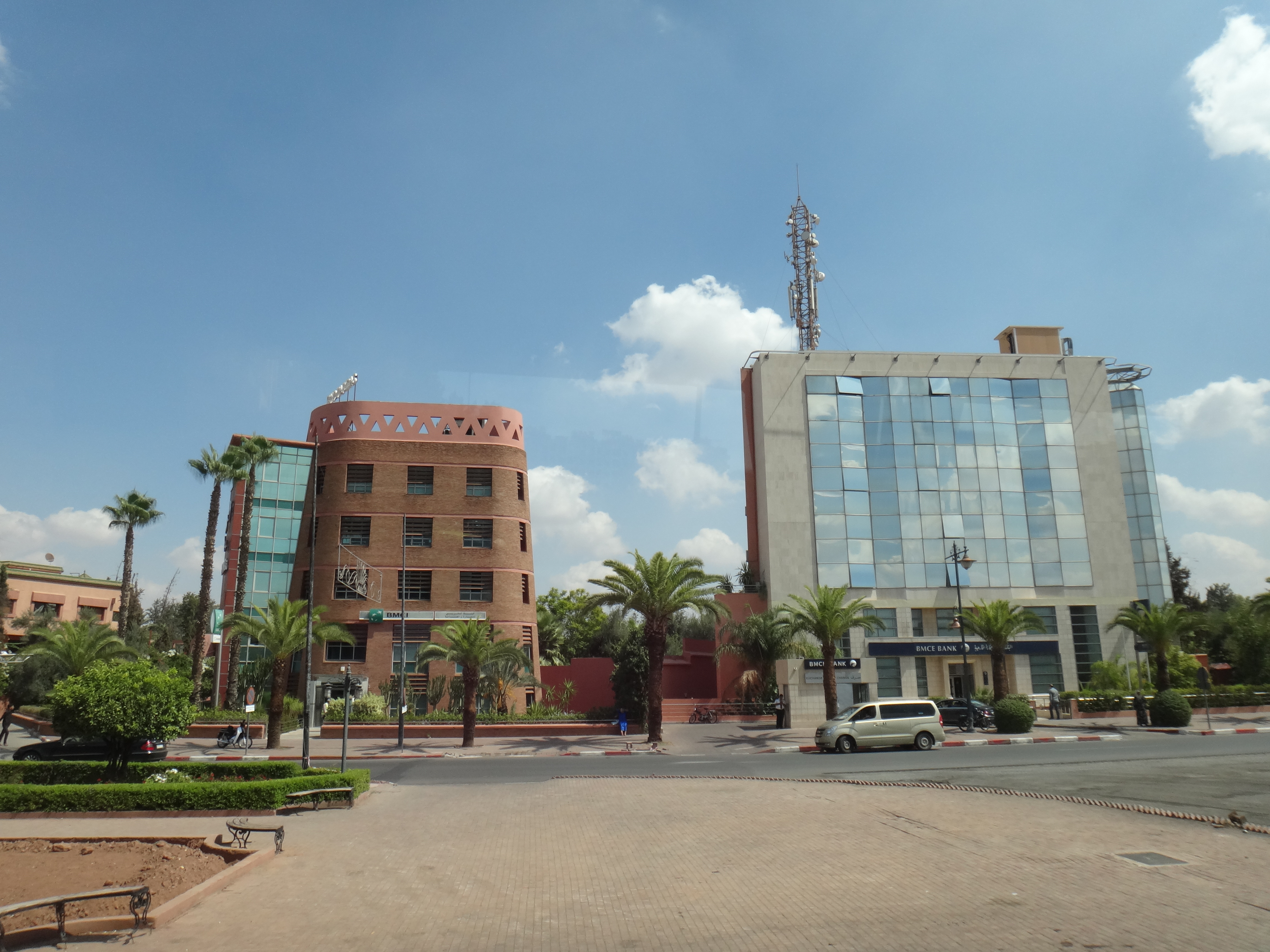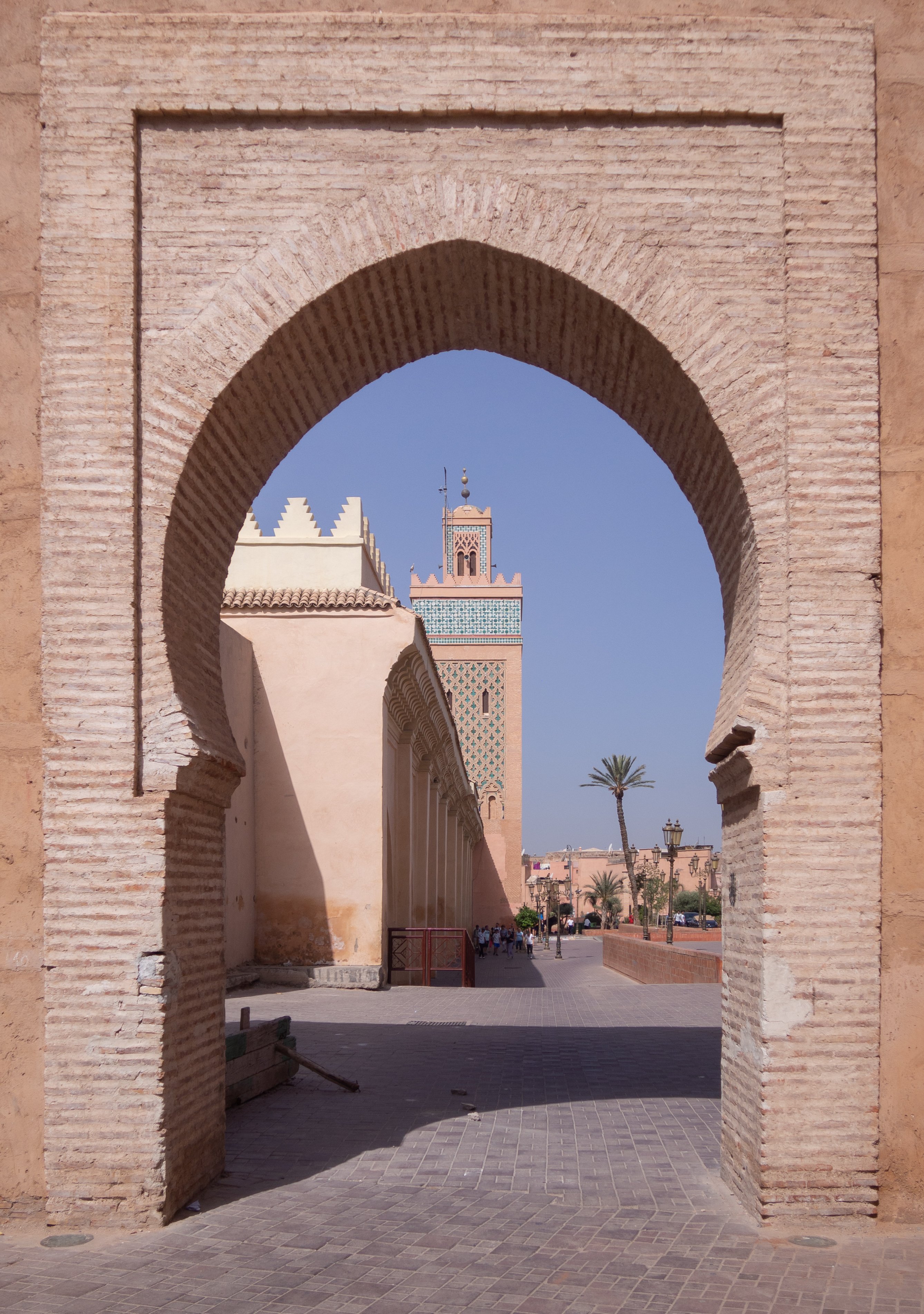
Marrakesh is the most visceral of Morocco's imperial cities — an ochre-walled medina at the foot of the snow-capped Atlas Mountains where the medieval and the contemporary collide in spectacularly chaotic fashion. The city has been pulling in visitors for decades, and the tourist infrastructure is well-developed, but the medina retains enough of its original character to reward serious exploration.
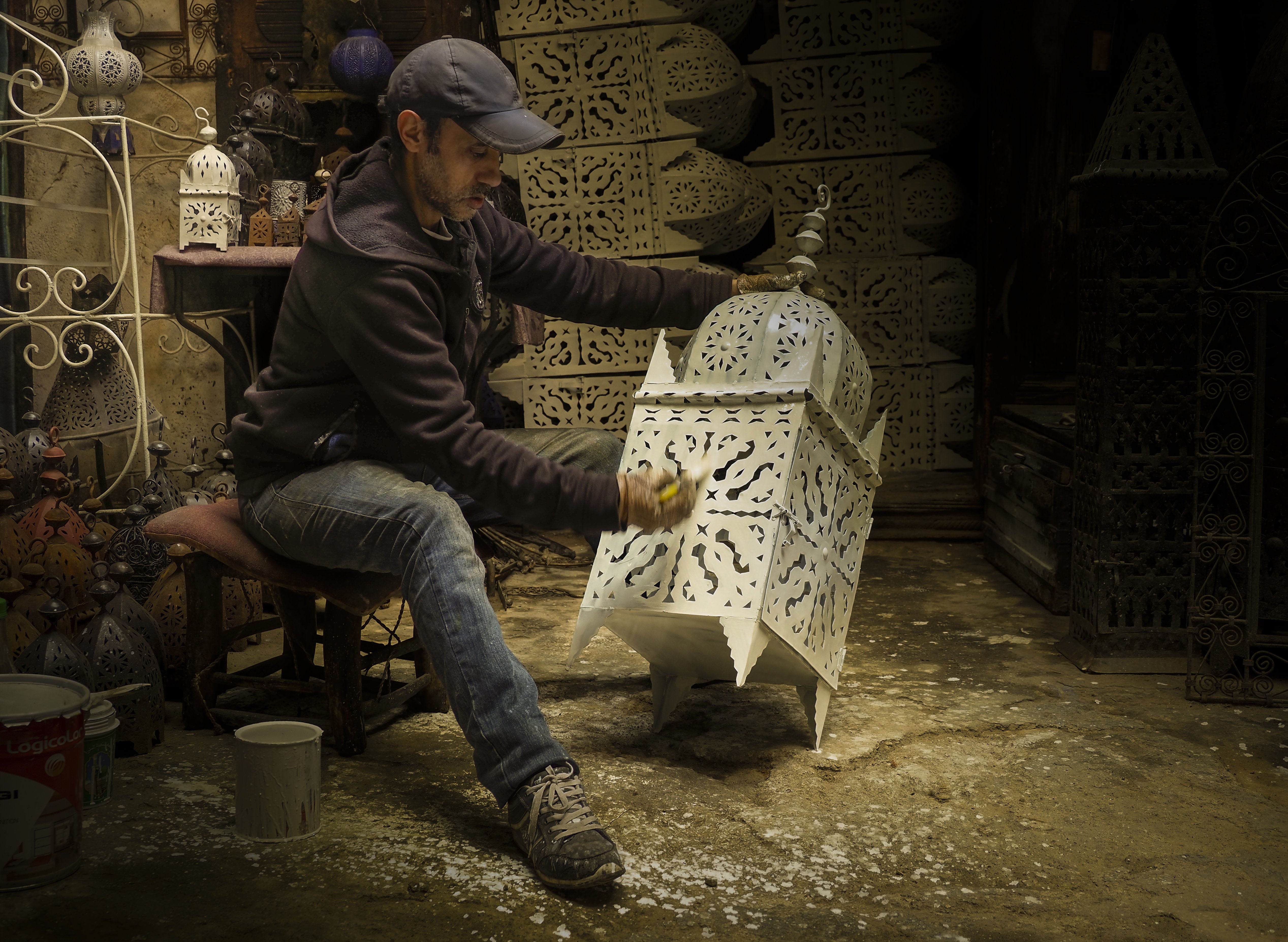
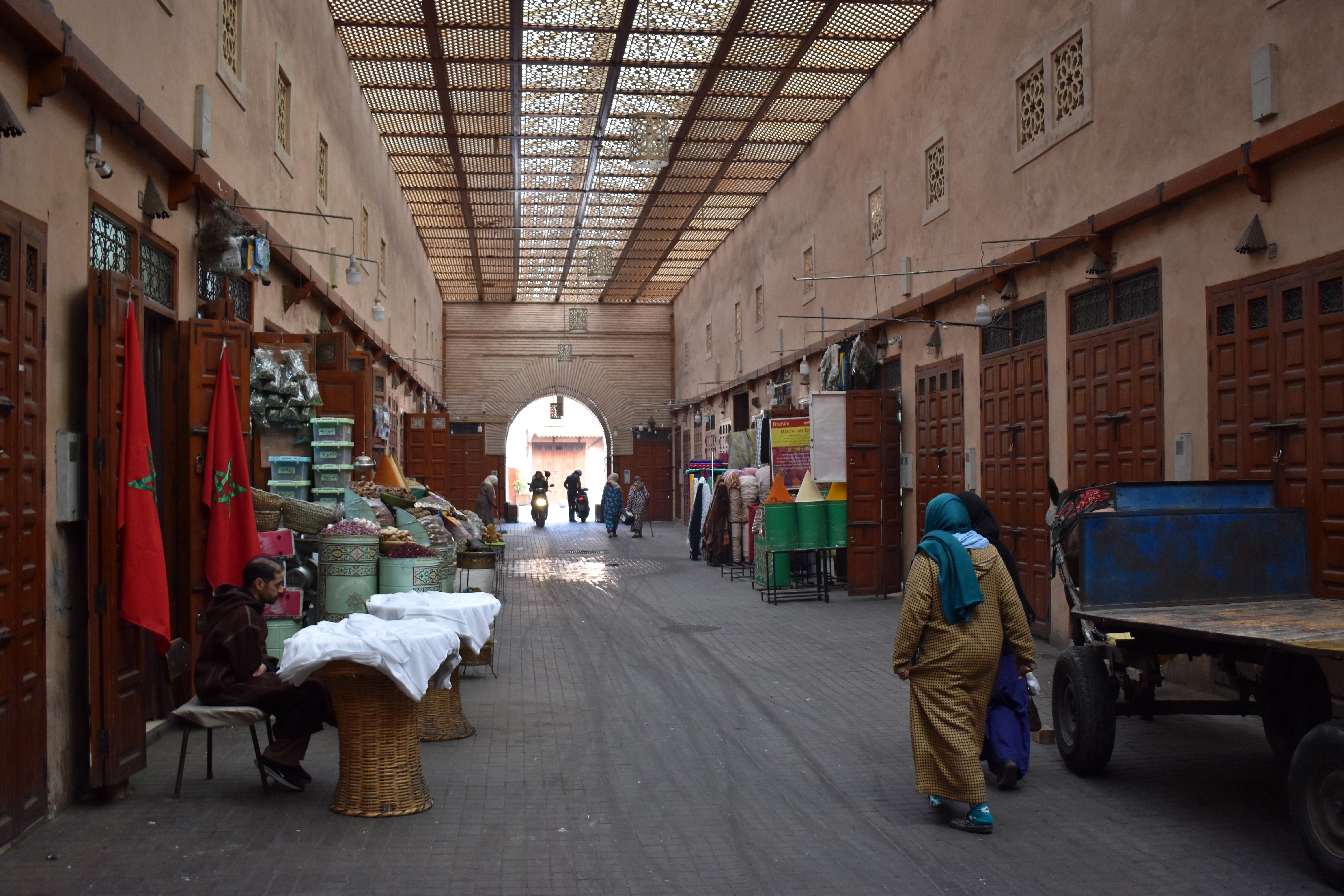
The gravitational centre is Jemaa el-Fna, the great market square in front of the Koutoubia mosque. By day it is juice stalls, storytellers, and acrobats; by night it becomes one of the world's great open-air dining experiences, with hundreds of food stalls serving harira soup, snails, and grilled meats by firelight. The souks extend north of the square in a labyrinth of lanes sorted by trade — dyers, leatherworkers, spice merchants, metalworkers — and the tanneries near the Bab Debbagh are unlike anything else in the city.
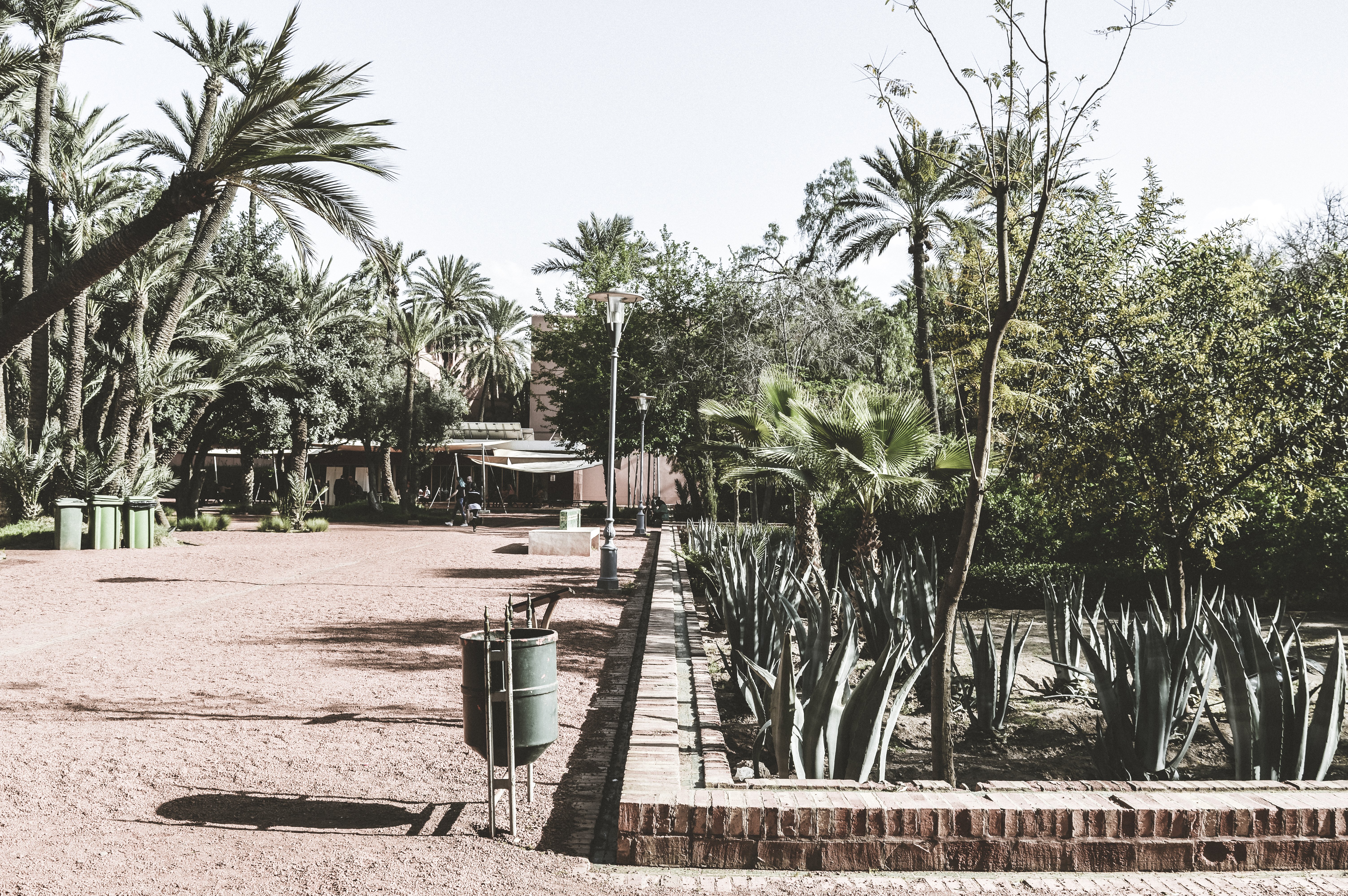
The great monuments are close together and all worth visiting: the ruins of El Badi Palace, the Saadian Tombs, and the Bahia Palace. Outside the medina walls, the Majorelle Garden — intensely blue, intensely planted — has become Morocco's most visited attraction. The food scene has improved dramatically over the past decade, with a growing number of good restaurants that go beyond tourist tagine.
Spring and autumn are the best times to visit. Summer heat in Marrakesh is genuinely extreme.