Gafsa
©
Gafsa

Gafsa

Working oasis city in west-central Tunisia, shaped by phosphate mines and deep Roman history.

Gafsa is a working oasis city in west-central Tunisia, set in an arid landscape where the Atlas ranges give way to the steppe and, eventually, the Sahara. It is not a polished destination, and it does not pretend to be — the economy here runs on phosphate extraction, and the surrounding hills are notched with open-cast mines that produce some of the world's largest phosphate reserves. But Gafsa has genuine historical weight, and travelers heading deeper into the Jerid will find it a worthwhile pause rather than just a fuel stop.

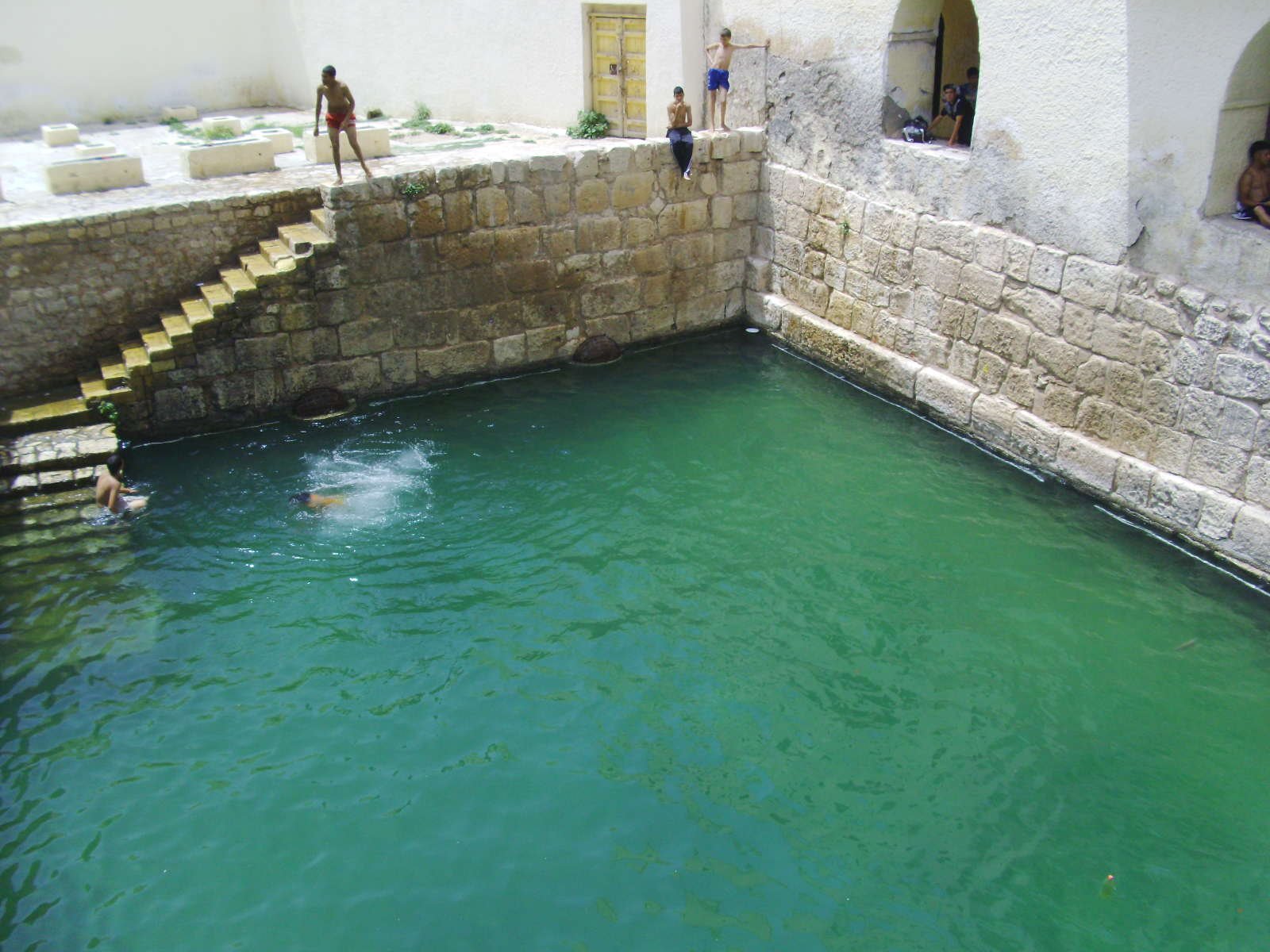
The most visited sight is the Piscines Romaines — the Roman pools — sitting right in the heart of the old town. Two large stone-lined basins, fed by natural springs, have been in continuous use since antiquity: people swam here in Roman times, and locals still cool off in summer. The setting is undeniably atmospheric, the ancient stonework mossy and slightly crumbling around the edges. The Kasbah, a 16th-century Ottoman fortification, overlooks the medina from the high ground; the old quarter below has the quiet, slightly faded feel of a provincial Tunisian town going about its business.

The Regional Museum of Gafsa holds a respectable collection of mosaics and artifacts drawn from local excavations — this region has been inhabited since the Capsian culture of roughly 10,000 years ago, from which the area takes its archaeological name. Gafsa is best understood as a gateway: from here, the road south leads to Tozeur, the great salt lake of the Chott el-Jerid, and the Saharan fringe. Travelers who spend a night rather than passing straight through generally find something to hold their attention.

Guide

Getting There

From Tunis, SNTRI buses cover the 350 km to Gafsa in roughly 6 to 7 hours. Buses depart from the southern bus station (Bab Alioua) and run several times daily. Louages — the shared long-distance taxis that Tunisians prefer — also run this route and are faster when they fill up, which on the Tunis–Gafsa corridor happens reliably. The train connection exists but is slower and less convenient: the Tunis–Gafsa rail line involves a change at Sfax and the journey stretches to 8 hours or more; it is rarely the first choice.

From Tozeur, 95 km to the southwest, the road is straightforward and well-maintained — about 90 minutes by car or louage, with the steppe landscape gradually giving way to the more mineral terrain around Gafsa. This route is the most natural approach for travelers coming up from the Saharan south. From Sfax, louages cover the 130 km northwest in around 2 hours. Gafsa has no commercial airport; the nearest is Tozeur-Nefta International, which handles a small number of domestic and charter flights.

Guide

Things to Do

Gafsa's sights are concentrated and walkable — the Roman pools, the kasbah, and the Regional Museum sit within a short distance of one another in the old town, and a half-day covers them comfortably. The phosphate city's historical layers run deeper than its workmanlike exterior suggests: this area has been inhabited since the Capsian culture some 10,000 years ago, and the Romans left their mark in stone that still holds water today.

Beyond the centre, the date palm oases on the city's southern edge offer a different kind of afternoon — shade, the smell of irrigation channels, and a reminder that this is genuinely an oasis rather than just a label. For those heading south to Tozeur or the Chott el-Jerid, Gafsa works well as a full stop rather than a rushed one.