Sylhet sits in the northeast of Bangladesh in a region of tea estates, rivers, and lush green hills rolling up toward the Khasi and Jaintia mountains of Meghalaya. It is Bangladesh at its most scenic — very different from the flat delta that covers most of the country.
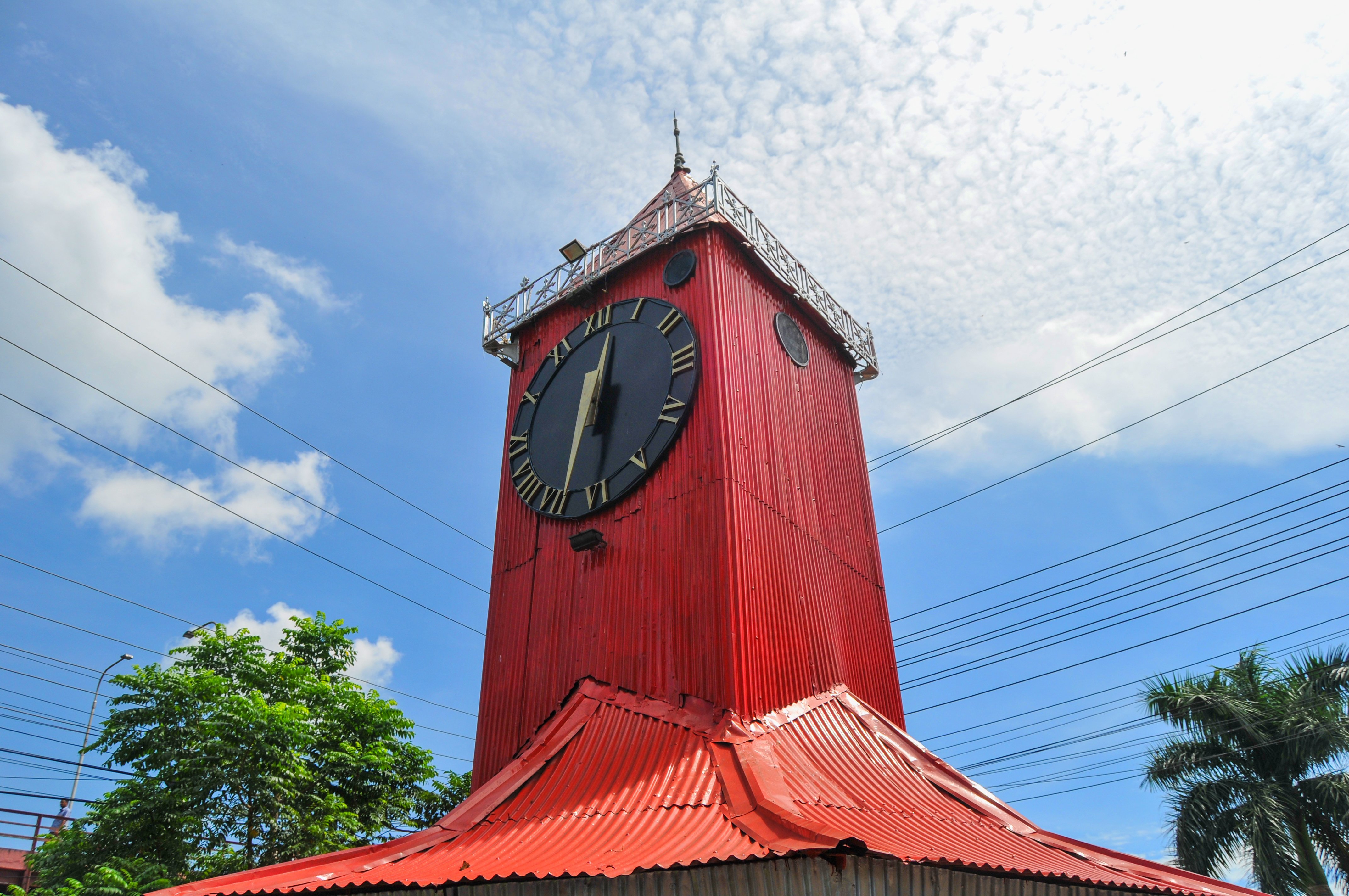
The city itself is a major pilgrimage centre, anchored by the Shah Jalal Dargah — the shrine of the 14th-century Sufi saint who brought Islam to the region. Around the dargah and the Surma River are the colonial-era Keane Bridge, Ali Amjad's Clock, and the Mughal-era Shahi Eidgah. Tea estates begin within the city limits at Lakkatura and Malnicherra, the latter founded in 1849 and the oldest in the subcontinent.
The tea estates around Srimangal (about 80 km south of Sylhet) are the main draw for visitors heading further afield. You can walk through the plantations, visit a tea factory, and drink some of the best tea in the region. Lawachara National Park, nearby, is one of the few places in Bangladesh where you can see hoolock gibbons in the wild. Ratargul Swamp Forest — accessible by small boat and only properly accessible during the wet season — is an eerie, beautiful place: flooded jungle in shades of green.
The Sylhet valley is formed by the Surma and Kushiara rivers. From October to February, migratory birds from Siberia and the Himalayas winter in the wetlands and haors (shallow seasonal lakes) of this region. The Tanguar Haor is one of the most important wetland ecosystems in Bangladesh and a Ramsar site. To the northeast, Jaflong, Bichanakandi, and Lalakhal are popular border-area trips where rivers from the Khasi Hills cross into the country in dramatic stone-strewn beds.