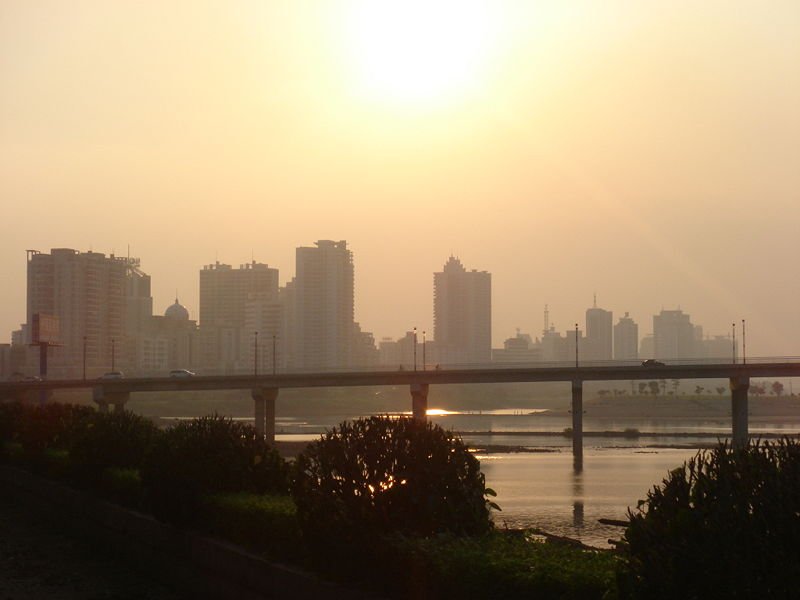
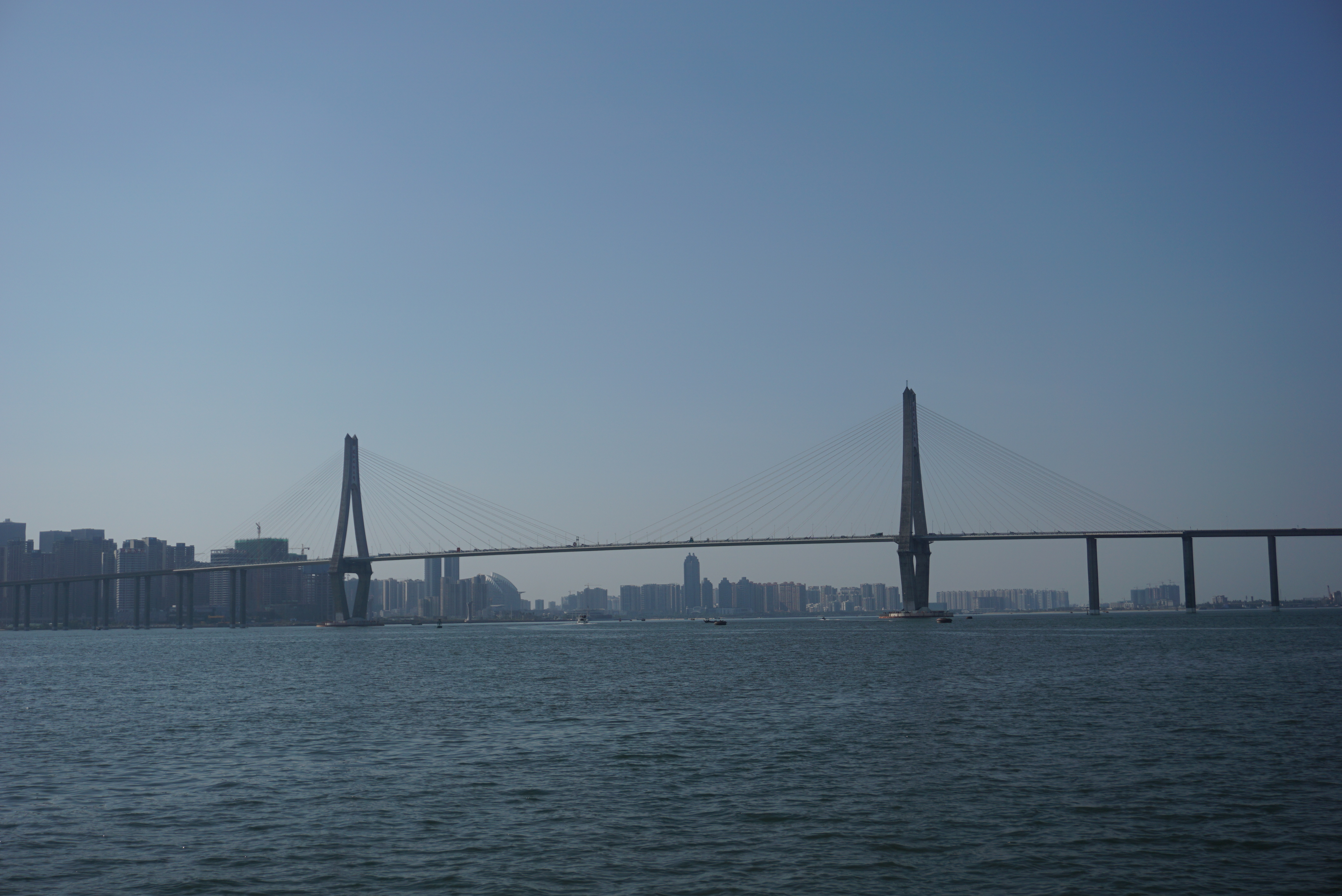
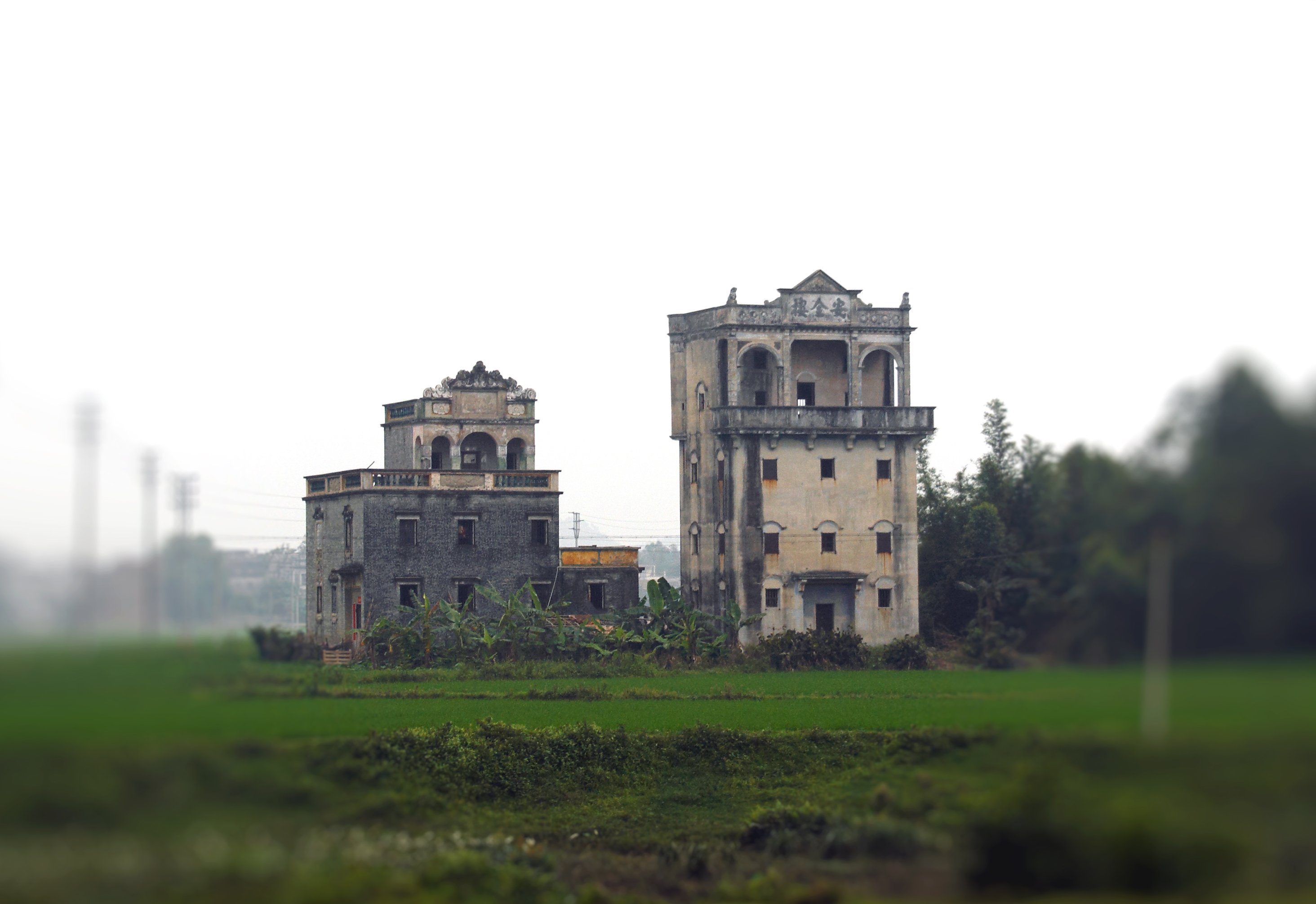
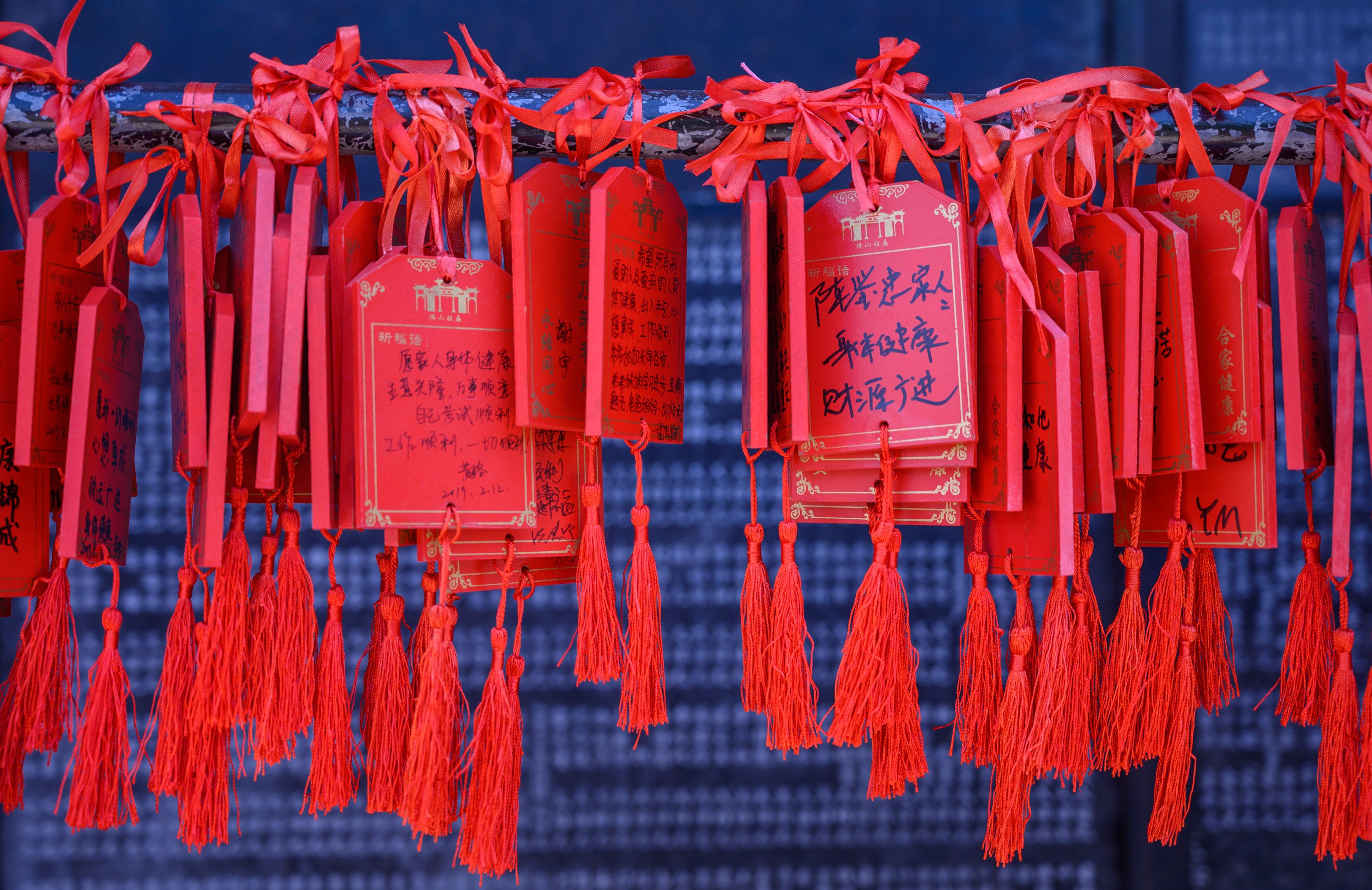
Guangdong is where modern China was made — or at least where the economic version of it was invented. The Pearl River Delta, which takes up the southern part of the province, became in the 1980s and 1990s the workshop of the world: Shenzhen grew from a fishing village to a city of twelve million in less than a generation, and the factories and container ports that line the estuary still move an almost incomprehensible volume of goods. But Guangdong is also the province of Cantonese cooking, the most complex and celebrated regional cuisine in China, and of a culture that has always looked outward — to Southeast Asia, to Hong Kong, to the world — in ways that the rest of China often has not.
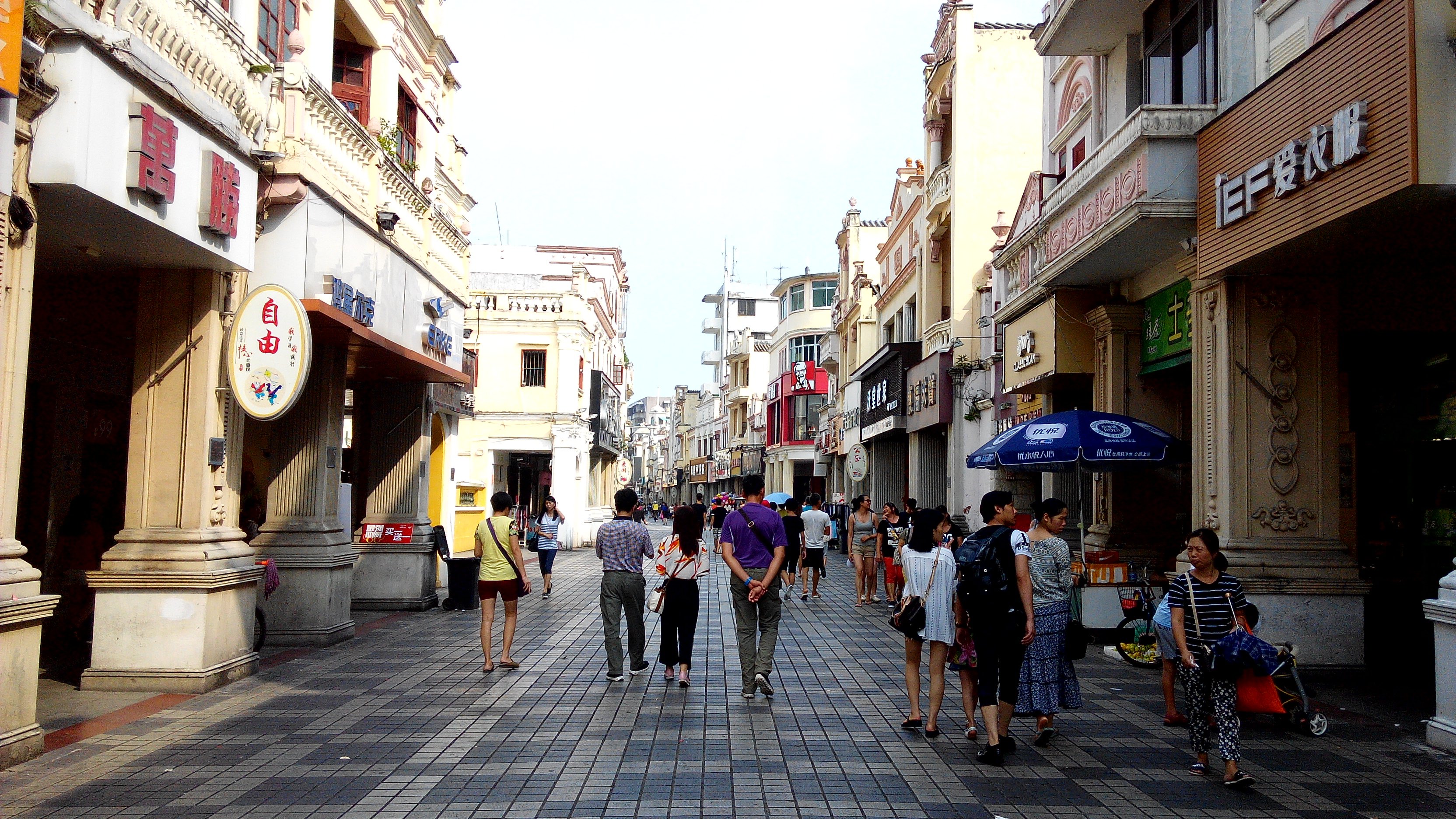
Guangzhou, the provincial capital, is one of China's oldest trading cities and has been receiving foreign merchants since the Tang dynasty. The Shamian Island district, a former foreign concession, retains its colonial atmosphere and makes a pleasant place to wander. The dim sum culture here is serious: a yum cha breakfast at a traditional teahouse, with bamboo baskets stacked to the ceiling, is an experience that explains why Cantonese cooking has conquered the world. The Canton Fair, held twice yearly, fills the city's vast convention halls with every manufactured product on earth.
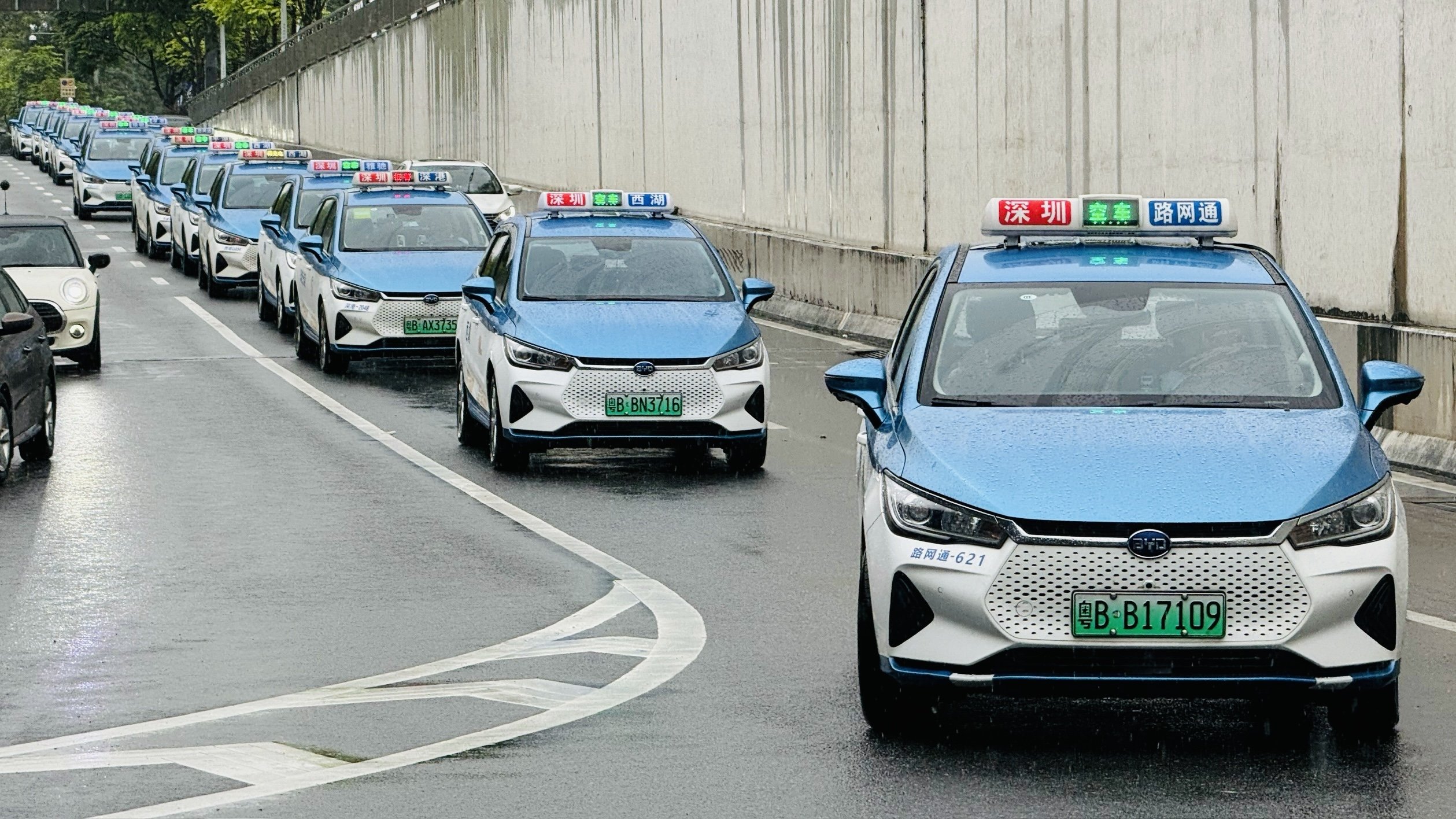
Shenzhen, just across the border from Hong Kong, is the city that proves economic development can happen very fast. It has almost nothing historic — there was nothing here before the Special Economic Zone — but the energy, the architecture, and the sheer density of the place are fascinating on their own terms. It is also a useful and efficient base for Hong Kong day trips.
Zhongshan is quieter, known as the birthplace of Sun Yat-sen, and makes a pleasant day trip from either Guangzhou or Macau.