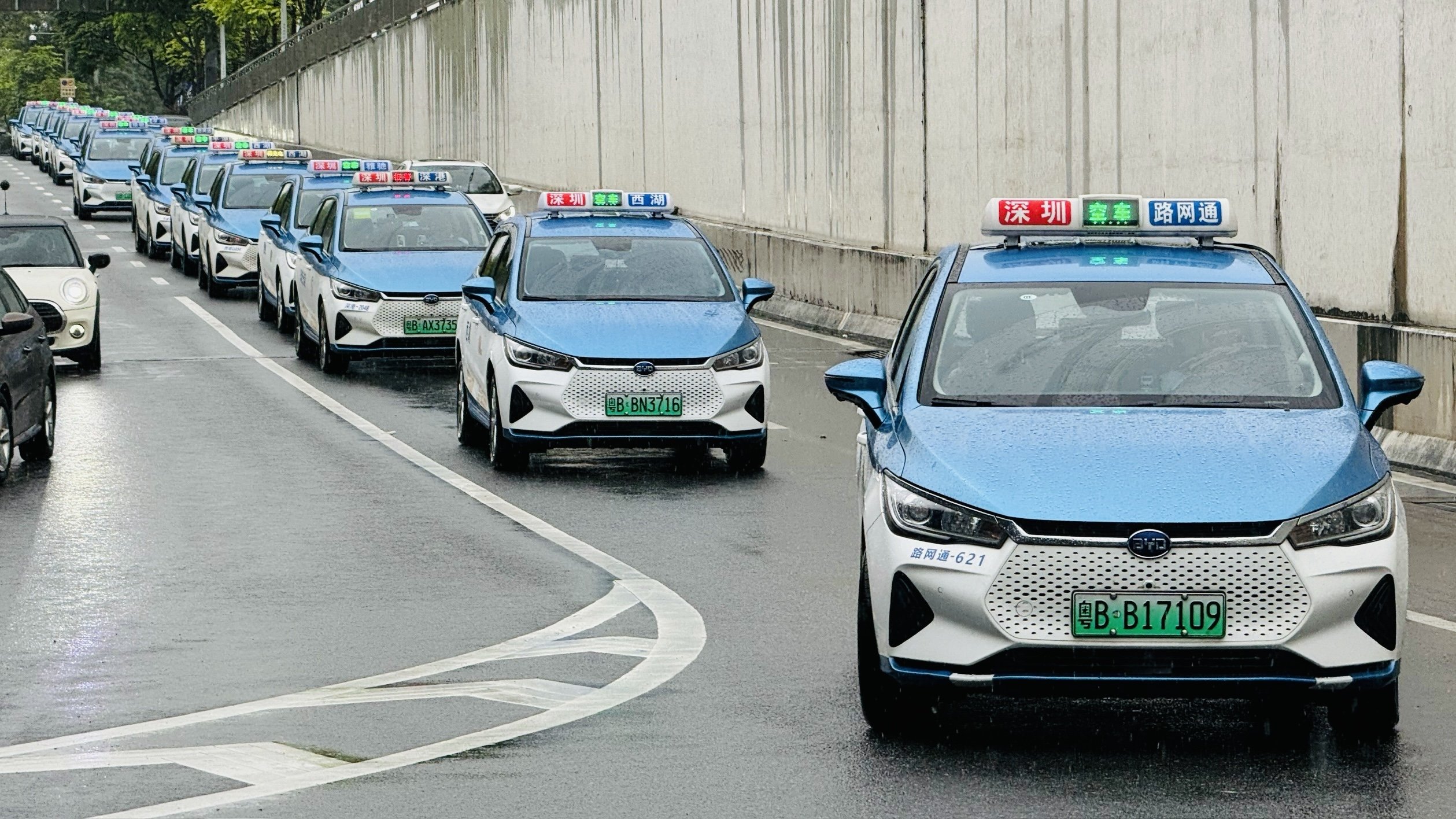
Shenzhen is China's most dramatic urban story. Forty years ago it was a fishing village across the border from Hong Kong. Today it's a megacity of more than seventeen million people — the country's first Special Economic Zone, its manufacturing powerhouse, and increasingly its tech and design capital. Nothing in the city is older than 1980 and it shows: the skyline is a forest of shining towers, the metro keeps extending, and the place has the restless energy of somewhere constantly reinventing itself.
For visitors, Shenzhen has historically been a stopover on the way in or out of Hong Kong. That's changing. The OCT-LOFT arts district has attracted designers, galleries, and cafes, and the Nanshan tech corridor feels more like Silicon Valley than southern China. Huaqiangbei, the world's largest electronics market, is where to lose an afternoon if you're the sort who enjoys browsing components, gadgets, and knockoff everything.
The sights are thin compared to Beijing or Shanghai — this is a city to experience rather than tick off. The OCT theme parks (Window of the World, Splendid China) are kitsch but popular. The coastal walk at Shenzhen Bay Park has good skyline views. Dafen Oil Painting Village, an entire neighbourhood of studios churning out replicas of famous works, is unique and a little unsettling. For the best view of all, the observation deck on the Ping An Finance Centre — the fifth-tallest building in the world — looks out over the entire Pearl River Delta.
Shenzhen is also the easiest city in mainland China for first-time travellers: the metro is extensive and signed in English, payment is effortless once you set up WeChat Pay or Alipay, and the border crossing from Hong Kong at Lo Wu or Futian is a few hundred metres of queue.