Foshan and Guangzhou have been effectively the same city for most of their history, connected by the Pearl River and sharing a commercial and cultural culture that predates any administrative boundary. Foshan was one of the Four Great Towns of Ming-dynasty China — a manufacturing centre for ceramics, metalwork, and textiles that supplied the empire — and the Shiwan district's kilns have been burning continuously for over a thousand years. The ceramics tradition is still alive: Nanfeng Kiln, which has operated since the early sixteenth century, is now a working museum where you can watch potters throw and fire in the old kilns, and the surrounding Shiwan Ceramics Street is full of studios and galleries at every price point.
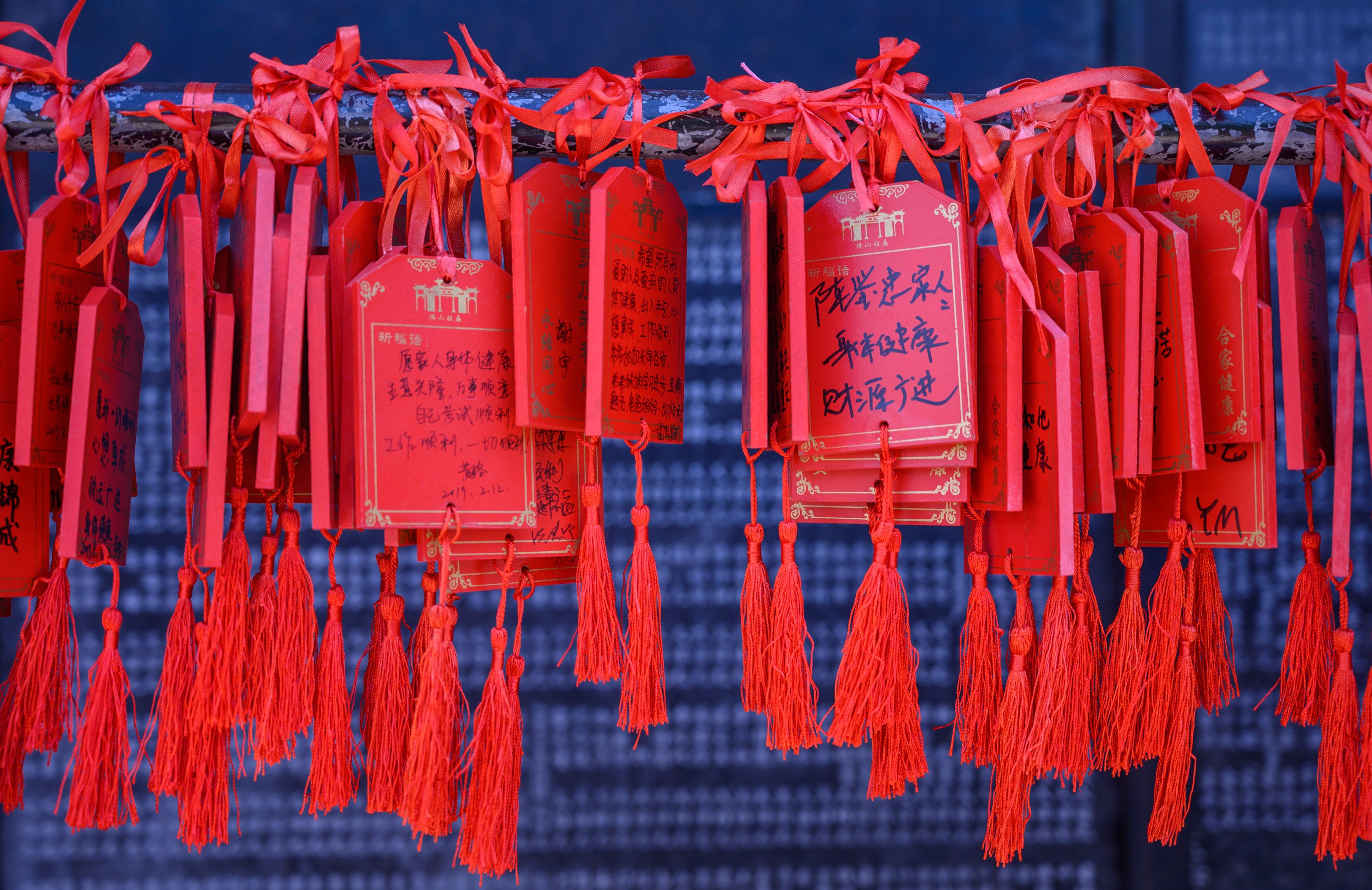
The other thing Foshan is famous for is martial arts. This is the birthplace of Wong Fei-hung, the Cantonese folk hero who has been played in over a hundred films, and of Ip Man, who taught Wing Chun kung fu to a teenager named Bruce Lee. The Foshan Ancestral Temple (Zumiao) complex, which has been the ceremonial heart of the city since the Northern Song dynasty, contains the Wong Fei-hung Memorial Hall alongside an active Taoist shrine of considerable age and a cast-iron warrior statue that has survived every upheaval of the past thousand years. Dragon boat racing, another martial tradition in the broader sense, remains central to local identity.
The Shunde district, administered as part of Foshan, is considered the culinary capital of Guangdong — which in practical terms means it may be the culinary capital of China. The saying goes that eating in Guangdong means eating in Shunde, and the evidence is in the restaurants: double-skin milk (a custard-like dessert of startling delicacy), steamed freshwater fish so simply prepared that it either succeeds or fails entirely on the quality of the ingredient, and braised dishes with a depth of flavour that takes years of practice to achieve. The Qinghui Garden in Shunde, a classical Qing-dynasty garden in the style of Suzhou but less crowded, is worth the trip on its own.
Foshan is connected to Guangzhou by the Guangfo Metro, the first intercity rapid transit line in China, which makes it straightforwardly accessible as a day trip or as a base. The city has none of Guangzhou's historic foreign-facing character — it was always an inland manufacturing city, looking inward rather than outward — but for craft traditions and martial arts history, it is the more interesting destination.