Weifang has been the kite-making capital of China for at least five centuries, and the claim is not merely promotional: the city's craftspeople developed distinctive painting styles and structural techniques that influenced kite design across East Asia, and the tradition remains a genuine industry here rather than a heritage performance for tourists. The World Kite Museum holds examples from dozens of countries alongside a deep collection of Weifang's own traditional forms. Every April, around the 20th, the International Kite Festival draws enthusiasts from across the world to fly kites on a designated field east of the city — an event that manages to be both authentically local and genuinely international.
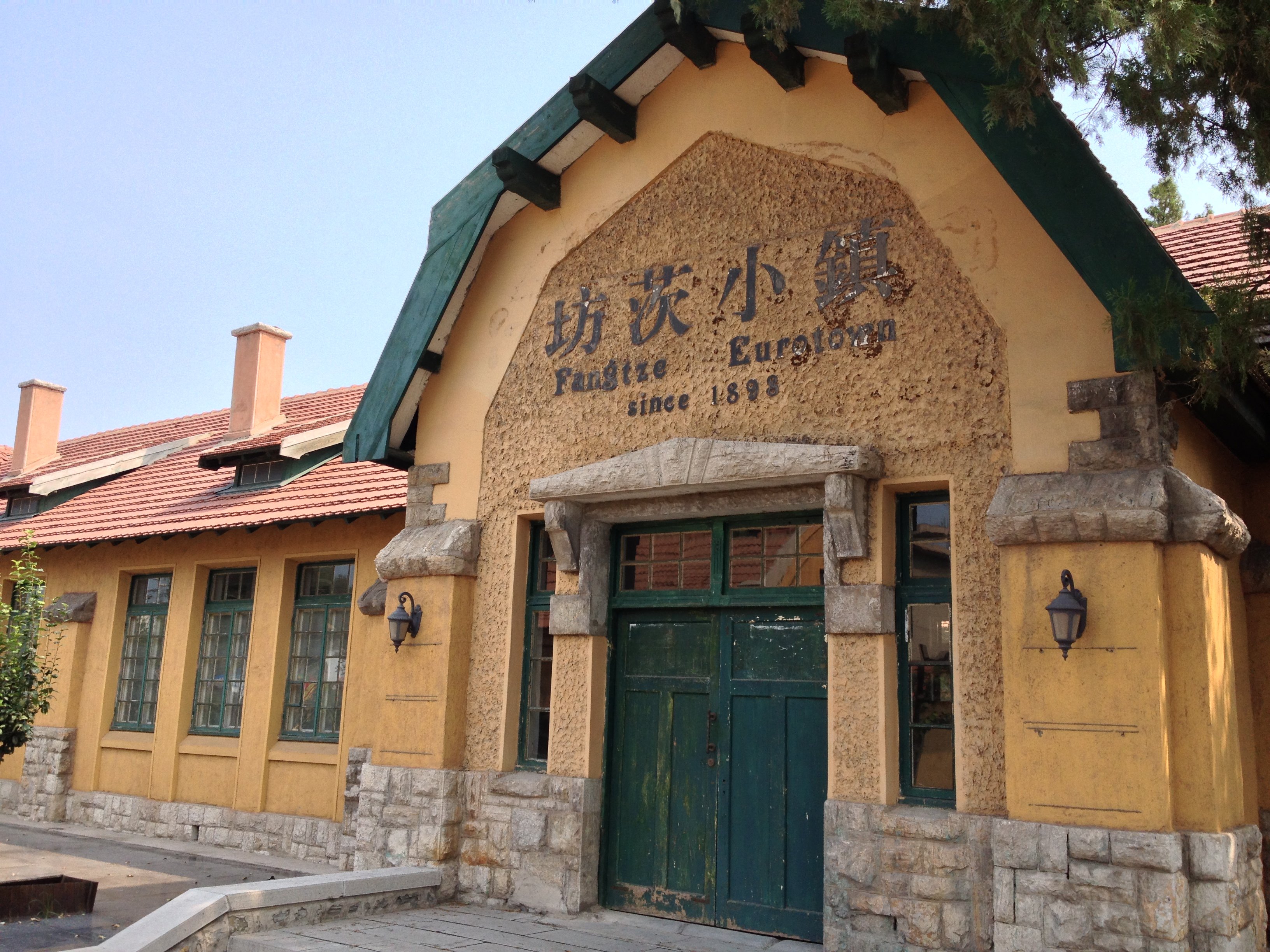
The city's urban layout is unusually rational for a Chinese provincial city: broad, straight boulevards form a grid pattern that strikes visitors as almost Beaux-Arts in its geometry, though the traffic is surprisingly thin for a city of nine million. The colonial period left two distinct marks: the Weixian Internment Camp Museum, near the old city center, documents the WWII-era internment of foreign civilians — mostly missionaries and their families — who were held here by the Japanese from 1942 to 1945. Fangtze Eurotown, in the southern part of the city, preserves around 160 colonial buildings from both the German and Japanese occupations in various states of restoration.
Weifang sits almost exactly halfway between Jinan and Qingdao on the high-speed rail line, a little over an hour from either. The folk-art village of Yangjiabu, north of the city, preserves the woodblock print tradition that once sent New Year prints across all of northern China. It is not a destination that announces itself immediately, but it has more historical texture than most mid-sized Chinese cities.