Ningbo is Zhejiang's second city and one of China's oldest ports, opened to foreign trade as a treaty port in 1842 and already thriving as a maritime hub centuries before that. Where Hangzhou attracts tourists, Ningbo attracts business, and the city has a grittier, more self-sufficient character — less manicured, more purposeful. It sits at the southern edge of the Yangtze Delta, connected to Shanghai and Hangzhou by high-speed rail, and faces the East China Sea across a coastline of estuaries and islands.
The TianYi Pavilion, built in 1561, is the oldest surviving private library in China, a remarkable structure designed with drainage channels and firebreaks to protect its collection of Ming-dynasty books. The surrounding garden is one of the more tranquil spots in the city. The Qing'an Guildhall on the Laowaitan waterfront is one of the finest examples of Qing dynasty commercial architecture in China. Baoguo Temple, dating back over a thousand years, preserves wooden halls built without a single nail — an engineering feat still studied by architects today. Further into the hills, Tiantong Temple and Ayuwang Temple are two of the five great Song dynasty Buddhist temples in a forested mountain setting east of the city.
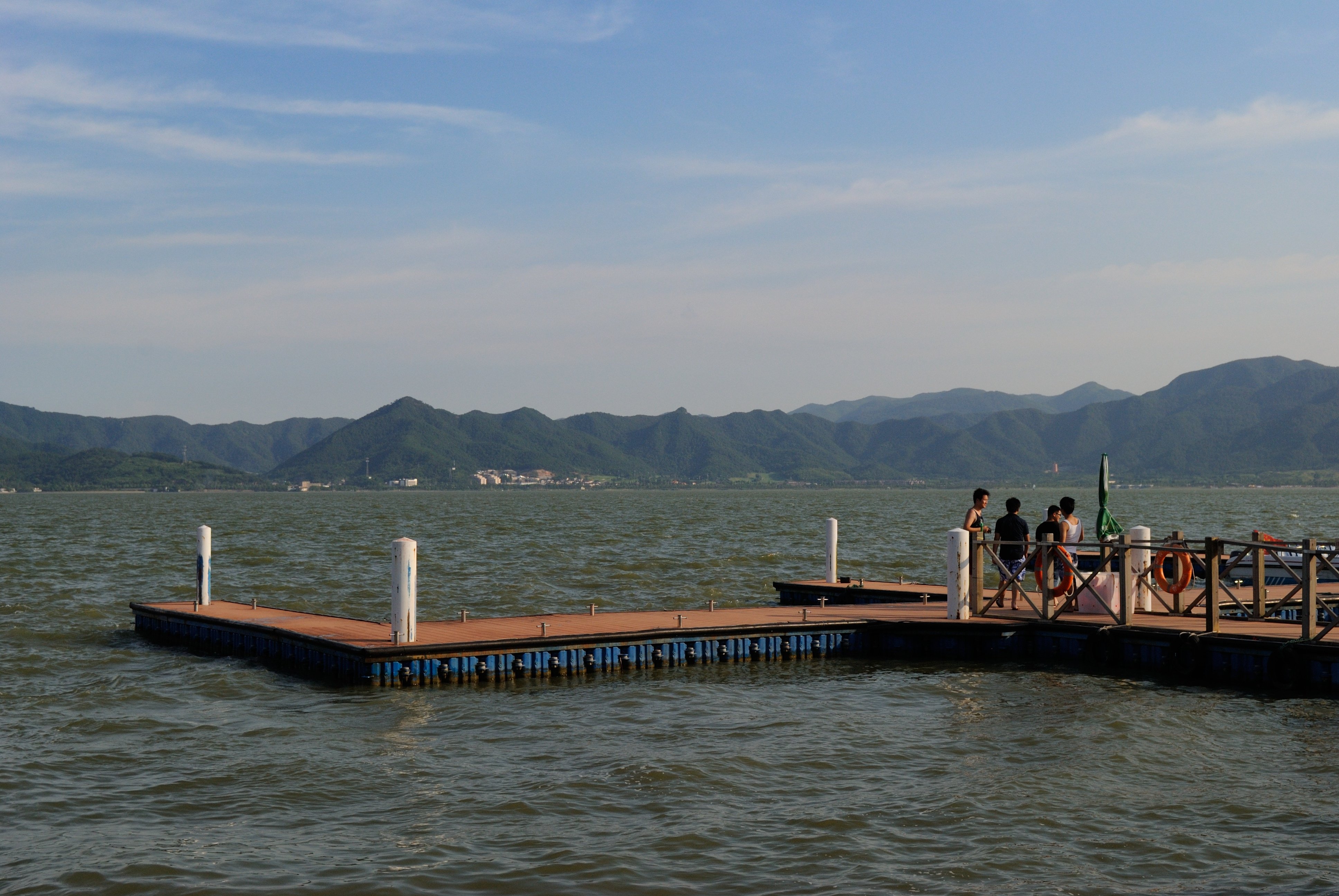
The architect Wang Shu, who won the Pritzker Prize in 2012, has left a remarkable collection of buildings in Ningbo, most notably the History Museum in Yinzhou, built from twenty million salvaged bricks and documenting a city history that begins with the Hemudu Neolithic site seven thousand years ago. Beyond the city itself, Ningbo is the jumping-off point for the Zhoushan archipelago and the sacred island of Mount Putuo. Dongqian Lake, Zhejiang's largest natural freshwater lake, stretches southeast of the city and rewards a half-day excursion by bike or boat. The city's food culture leans heavily on seafood and yellow rice wine, and the Chenghuangmiao night market around the old town are among the province's liveliest.