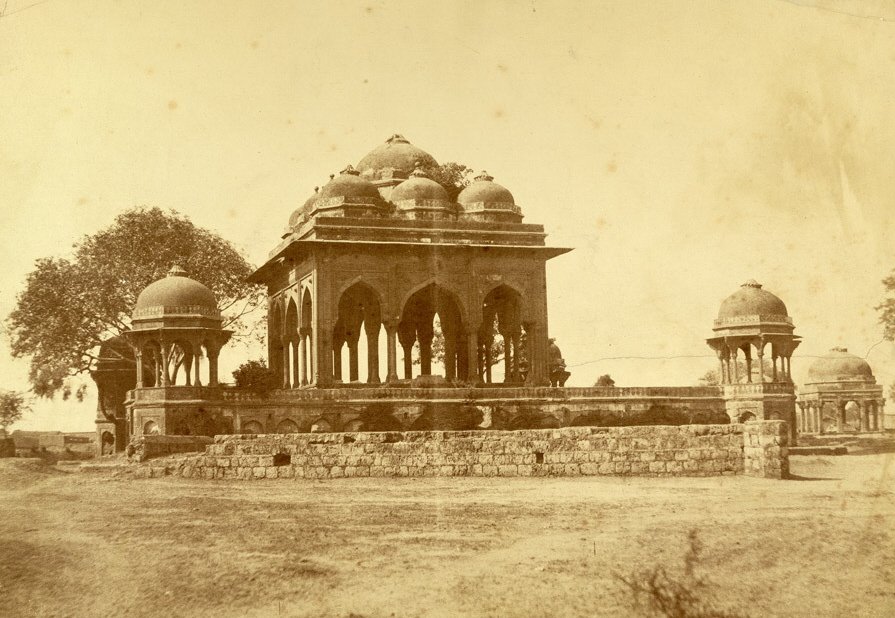
Meerut is where modern Indian history began. On 10 May 1857, Indian soldiers in the British cantonment here refused to load their Enfield rifles — the cartridges were greased with animal fat, an affront to both Hindu and Muslim troops — and the mutiny that would shake the British Empire to its foundations started right here, on these parade grounds. The rebels marched to Delhi the same night, and nothing was ever the same again.
The city itself is ancient, with roots stretching back to the Mahabharata and Ramayana epics. Today it is a sprawling, noisy, deeply North Indian city of over two million people, sitting just 70 km northeast of Delhi in the fertile Gangetic plain. It is not a tourist city, and it does not pretend to be one. But if you are interested in Indian history, particularly the 1857 uprising, Meerut rewards a day trip from Delhi.
The old cantonment area still has a distinctly colonial feel, with wide tree-lined roads and churches dating to the 19th century. St. John's Church, where some of the first shots of 1857 were fired, still stands. The Shahid Smarak (Martyrs' Memorial) at the site of the uprising is the city's most significant monument. Augarnath Temple, one of the oldest Shiva temples in the region, draws pilgrims from across Uttar Pradesh.
Outside the historical sites, Meerut is known for its sweets — gazak and rewri are local specialities worth seeking out — and for its sports manufacturing industry, which produces a surprising share of the world's cricket bats, footballs, and boxing gloves. The bazaars in the old city are chaotic and rewarding if you enjoy that sort of thing, though the heat between April and September makes walking them an endurance test.
Getting here from Delhi is straightforward: regular trains from Delhi's Old Delhi or Ghaziabad stations take about an hour, and the Delhi-Meerut Expressway has cut driving time to under an hour. Come in winter (November to February) when temperatures are pleasant and the air is clearer.