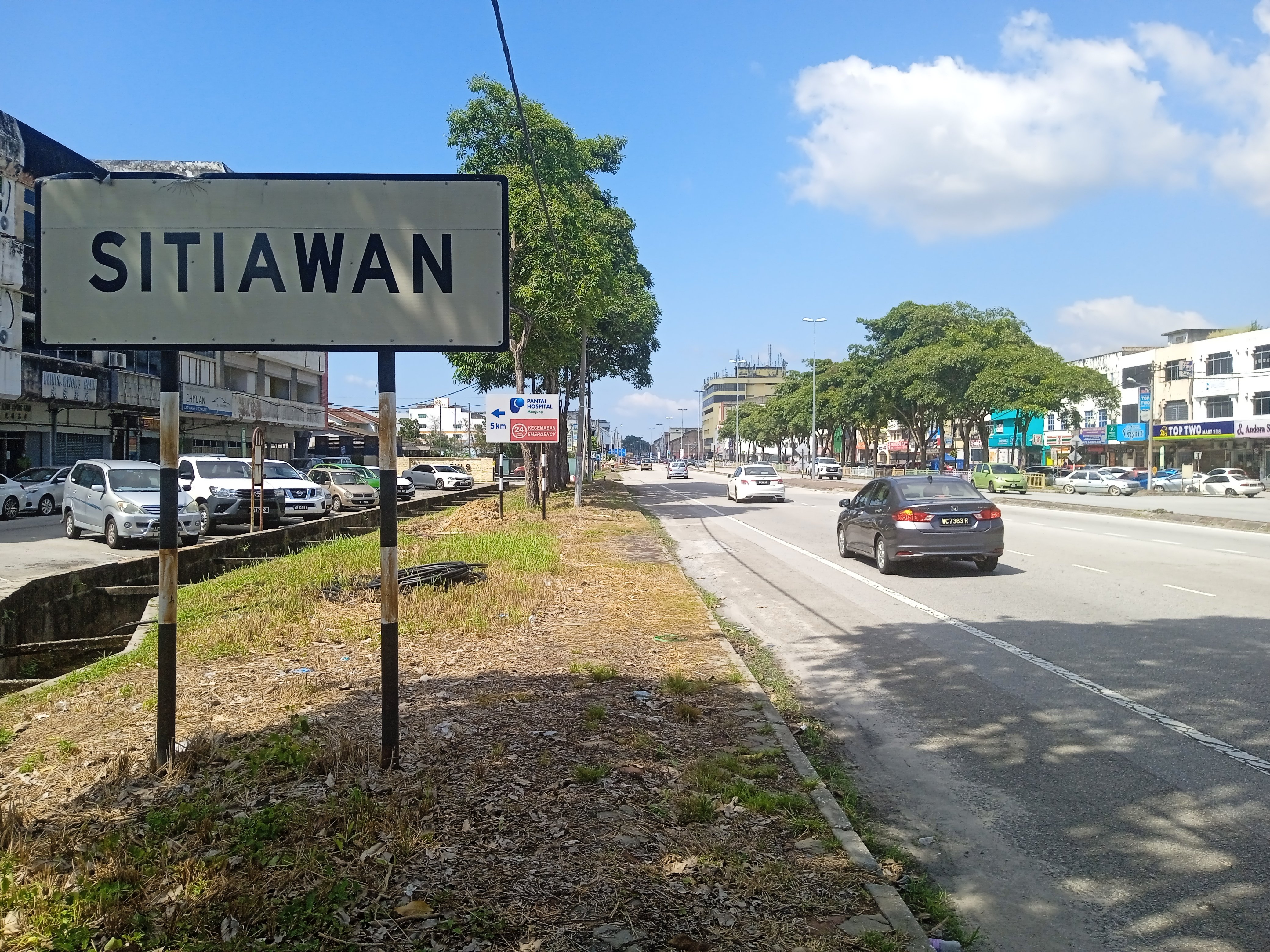
Sitiawan
©
Sitiawan

Sitiawan

Perak market town with a strong Fuzhou Chinese identity and a reputation for clay-oven kong piang.

Sitiawan is a quiet Fuzhou Chinese settlement town in the Manjung district of Perak, about three hours north of Kuala Lumpur. Founded by Chinese immigrants from Fujian province in the early 1900s, it retains a strong Fuzhou cultural identity that sets it apart from most Malaysian towns. The dialect, the food, and the architecture all carry traces of that heritage.

The town itself is not flashy. There are no grand monuments or resort beaches. What draws visitors is the food — Sitiawan's Fuzhou cuisine is famous across Malaysia. Kong piang buns baked in clay ovens, sweet and sour fish maw soup, and fish balls stuffed with minced pork are local specialties you won't find done this well anywhere else. The food courts stay busy late into the evening.

Beyond eating, there is the Sitiawan Settlement Museum chronicling the Fuzhou pioneers in Kampung Koh, colonial-era buildings including the century-old Chinese Methodist Church, and easy access to the beaches and islands of the Perak coast. Pangkor Island is a short ferry ride from the nearby waterfront town of Lumut. Sitiawan works best as a base for exploring this stretch of coast, or as a detour for anyone curious about Malaysia's Chinese immigrant history.

Guide

Bars and Cafes

Sitiawan's nightlife is low-key. Beer prices in Malaysia are high and the culture leans conservative, so don't expect a wild bar scene. The town's evening energy centers on the late-night food courts and a handful of cafes. Bread Forest Bakery on Jalan Sejahtera is a local favorite, with a quirky upper-floor cafe decorated with rope swings and good cakes.

Guide

Beaches

There are no beaches in Sitiawan itself, but the Perak coast is close. Several beaches lie within an hour or so of town, mostly along the road through Lumut toward the coast.

Teluk Batik Beach is the most popular option, with golden sand, clean water, and facilities for rent including boats and beach chairs. Souvenir shops and restaurants line the shore. Take the road through Lumut to get there.

Teluk Rubiah Beach is quieter and more private, near the Teluk Beach and Golf Resort. Fine sand and calm water make it good for swimming and kayaking. The resort also offers golf and jungle trail hikes.

Teluk Senangin Beach is the least crowded of the bunch, near the Damai Laut Swiss Garden Resort. It is fairly undeveloped — just a few motels and chalets — but the soft white sand and solitude make up for the lack of facilities.

Pangkor Island is worth the trip if you have the time. Speed boats from the Lumut Jetty reach the island in about 40 minutes. Long stretches of golden sand, a 300-year-old Dutch fort, and a range of accommodation options from chalets to hotels make it a full day out.

Guide

Day Trips

Sitiawan is a good base for exploring the Manjung coast, but Kuala Lumpur is about three hours south if you want a city fix. Closer to home, Lumut Waterfront offers a pleasant half-day outing with cafes and sea views, and Sin Busu Hill — the highest point in the district at nearly 1,000 feet — rewards hikers with panoramic views of the coast and Pangkor Island.

Guide

Eating Out

Sitiawan's food scene is its biggest draw. The town's Fuzhou heritage means dishes here are distinct from the rest of Malaysia — kong piang buns, sweet and sour fish maw soup, and stuffed fish balls are local staples. Kampung Cina is the main seafood strip, with several popular restaurants facing each other across the street.

Guide

Getting Around

Sitiawan is a small town and most attractions are relatively close together. A rental car is the most practical option for getting around, especially if you plan day trips to the coast or nearby towns. AVIS operates from the airport.

Taxis are available around town and are convenient for shorter trips. Fares vary, so agree on a price before you set off. The Star Shuttle bus connects Sitiawan to Kuala Lumpur but is not practical for getting around within town.

Guide

Getting There

Most visitors reach Sitiawan via Kuala Lumpur International Airport, about three hours south by road. There is no airport in Sitiawan itself, though Ipoh has a small regional airport worth checking for domestic flights.

The Star Shuttle bus service runs between KL and Sitiawan and is a comfortable, affordable option. Coach services from Singapore and Thailand also connect to Ipoh, from where you can take a bus or taxi to Sitiawan.

Renting a car at KL Airport gives you the most flexibility, especially if you plan to explore the coast and nearby islands. The drive north passes through rubber plantations and rainforest. Taxis are also widely available and can be hired for the trip — negotiate the fare in advance, especially for longer distances.

Guide

Shopping

Sitiawan is not a shopping destination. For a long time Fajar was the only mall in town, and while Econsave supermarket opened between Sitiawan and Seri Manjung in 2006, options remain limited. You can find local treats and daily necessities, but serious shopping means a trip to a bigger city.

Guide

When to Go

Sitiawan has a tropical climate — hot and humid year-round with temperatures typically between 25 and 33 degrees Celsius. Rain can fall any time, but the wettest months are October through December. The drier months from January to March are the most comfortable for exploring.

Several festivals add color to the calendar. Thaipusam, the Hindu festival honoring Lord Subramaniam, falls in late January or early February and is celebrated with particular enthusiasm in nearby Pangkor. Ching Ming (Grave-Sweeping Day) in early April sees local Fuzhou families visiting ancestral graves with offerings of paper money, food, and wine. Chinese New Year brings the most festive atmosphere to town, with the date shifting each year according to the lunar calendar.