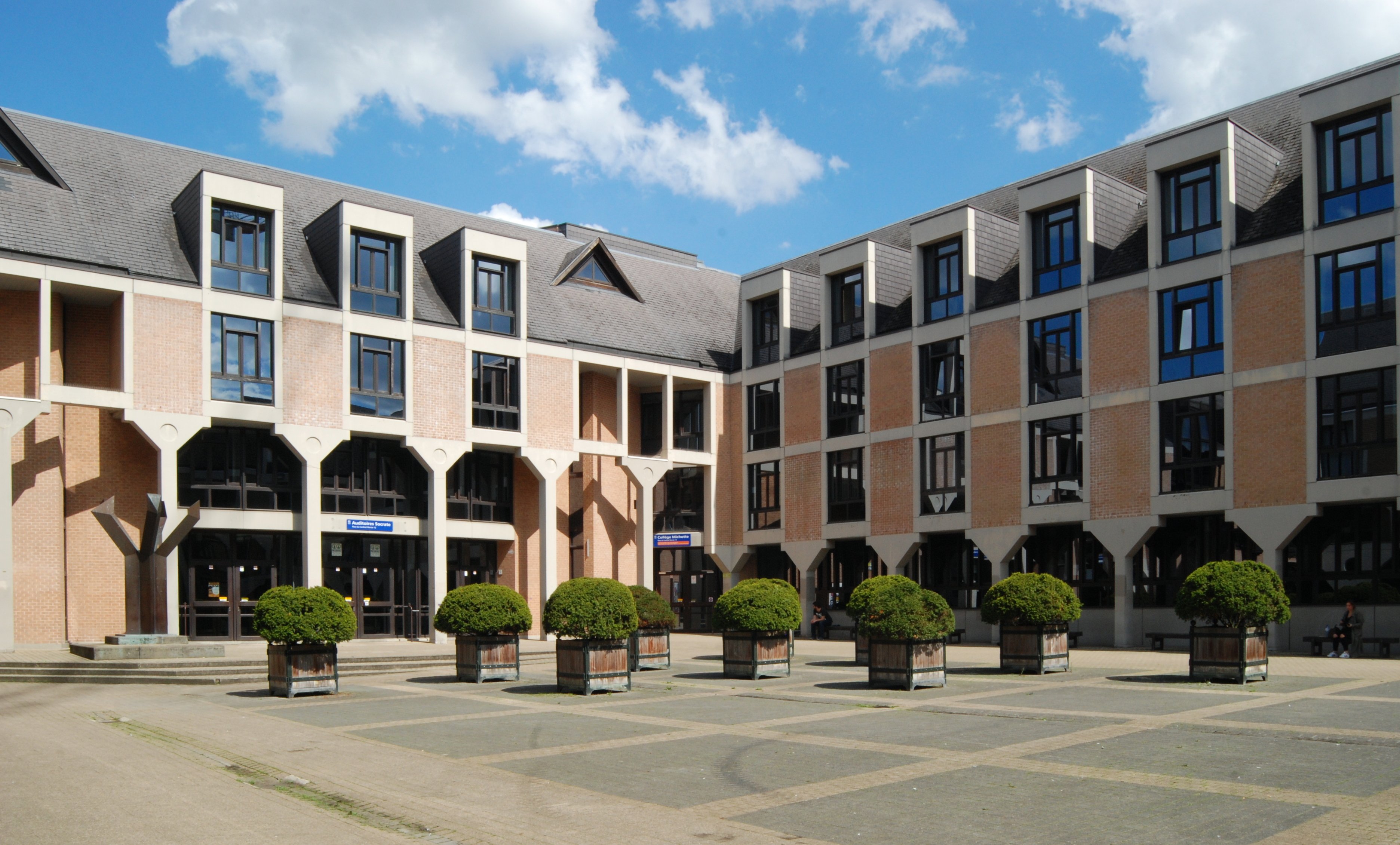
Louvain-la-Neuve is one of Belgium's oddest towns: a university city built from scratch after the linguistic split of the old Catholic University of Leuven. It was planned for people rather than cars, with much of the centre raised on a concrete slab and traffic pushed below. The result can feel artificial at first, but it is also unusually easy to wander, with red-brick lanes, student squares, bookshops, cafes, and sudden views into parks.
The town has one sight that justifies the trip for many visitors: the Hergé Museum, dedicated to the creator of Tintin and housed in a sharp, colourful building by Christian de Portzamparc. Musée L gives the university a broader cultural anchor, mixing art, archaeology, science collections, and the monumental architecture of the former science library.
Louvain-la-Neuve is not Leuven and does not try to be. It is younger, more experimental, and much more tied to student rhythms: lively in term time, quieter in holidays, and occasionally almost stage-set empty on weekends. That contrast is part of its identity. Come for the museums, then walk the lake and Bois de Lauzelle to see how this planned town softens at its edges.