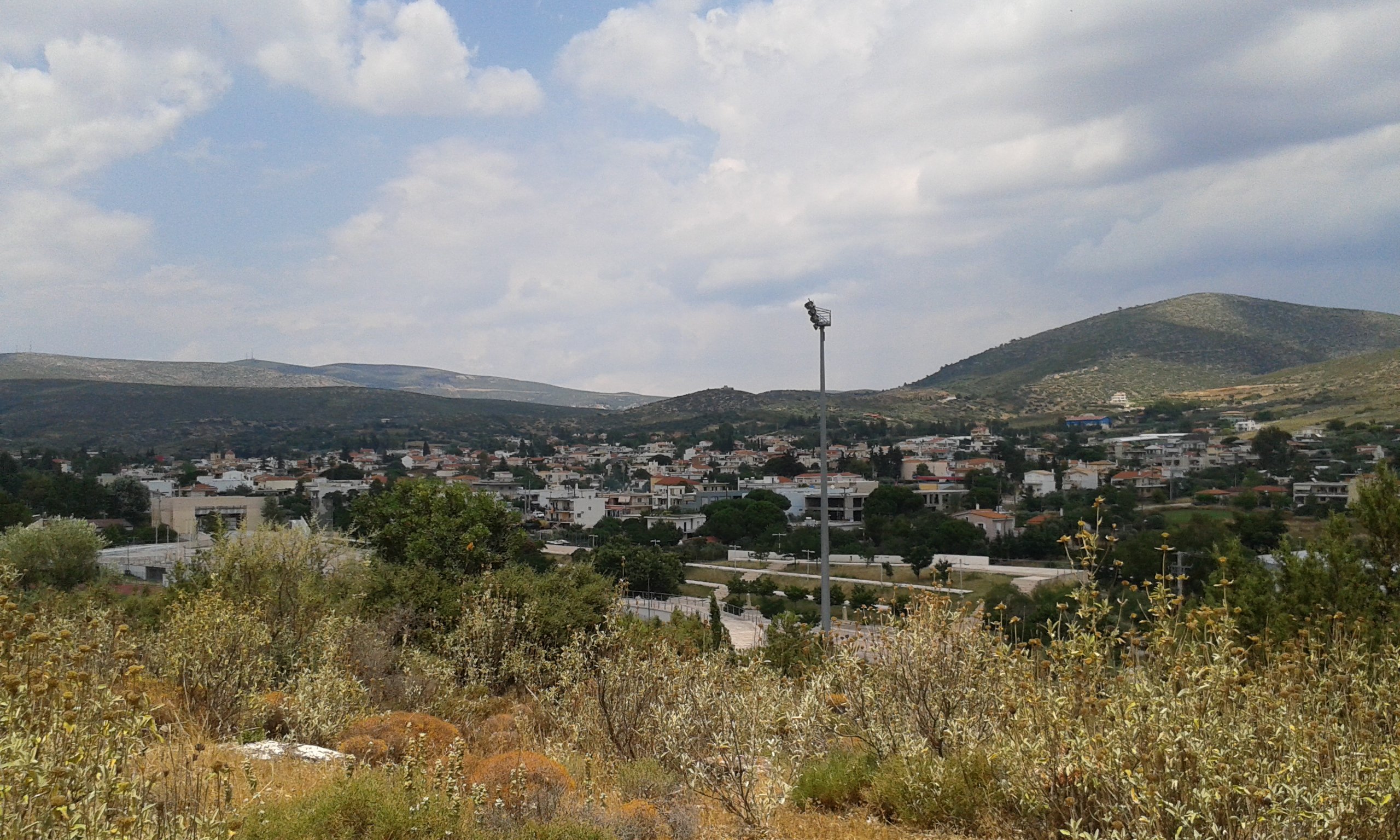
Marathon is one of those rare places where the name itself has become a word. In 490 BC, a badly outnumbered Athenian army defeated the invading Persians on this coastal plain northeast of Athens, and a messenger ran the roughly 40 kilometers back to the city to announce the victory. That run gave us the marathon race. The battlefield itself is a quiet stretch of farmland and olive groves between the mountains and the sea, and the contrast between the drama of what happened here and the peacefulness of the place today is striking.
The main attraction is the Marathon Tumuli, the burial mound of the 192 Athenian soldiers who fell in the battle. It rises about nine metres from the plain, a grassy dome that has stood for two and a half thousand years. Nearby, the excellent Archaeological Museum of Marathon displays finds from the battlefield and the surrounding area, including the Trophy of Marathon and artifacts from the Cave of Pan above the plain. The Lake Marathon reservoir above the valley has a marble-clad dam face built in the 1920s — one of the most elegant pieces of hydraulic infrastructure in Greece. The site of Rhamnus, a short drive north, adds a ruined temple of Nemesis to the visit.
The modern town of Marathon is a small, unassuming place that mostly serves the surrounding agricultural area. It sits about 42 kilometres from central Athens, reachable by KTEL bus from Mavromateon terminal. If you are in Athens and interested in ancient history, this makes a rewarding half-day trip, especially if you combine it with a swim at the nearby Schinias beach.