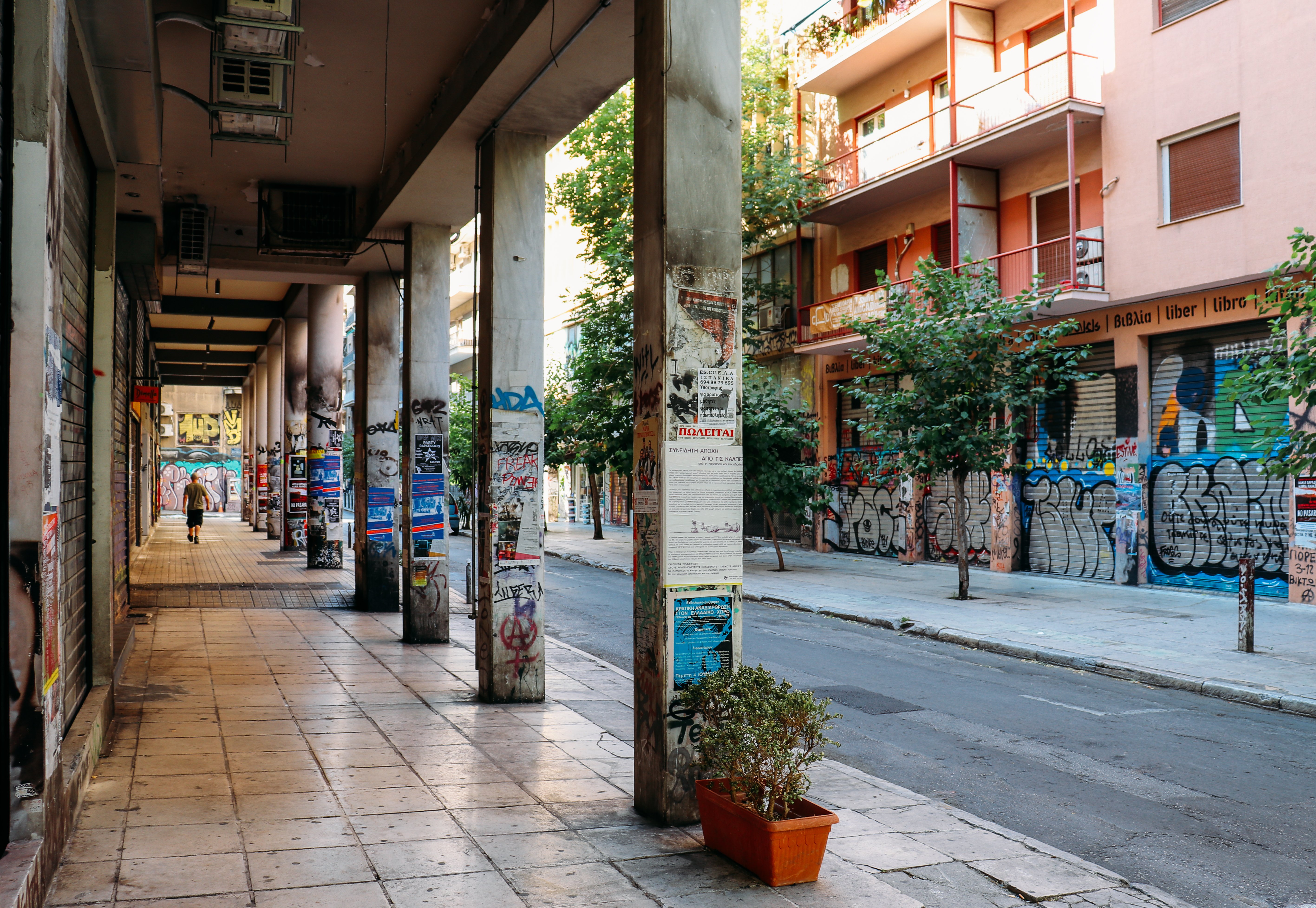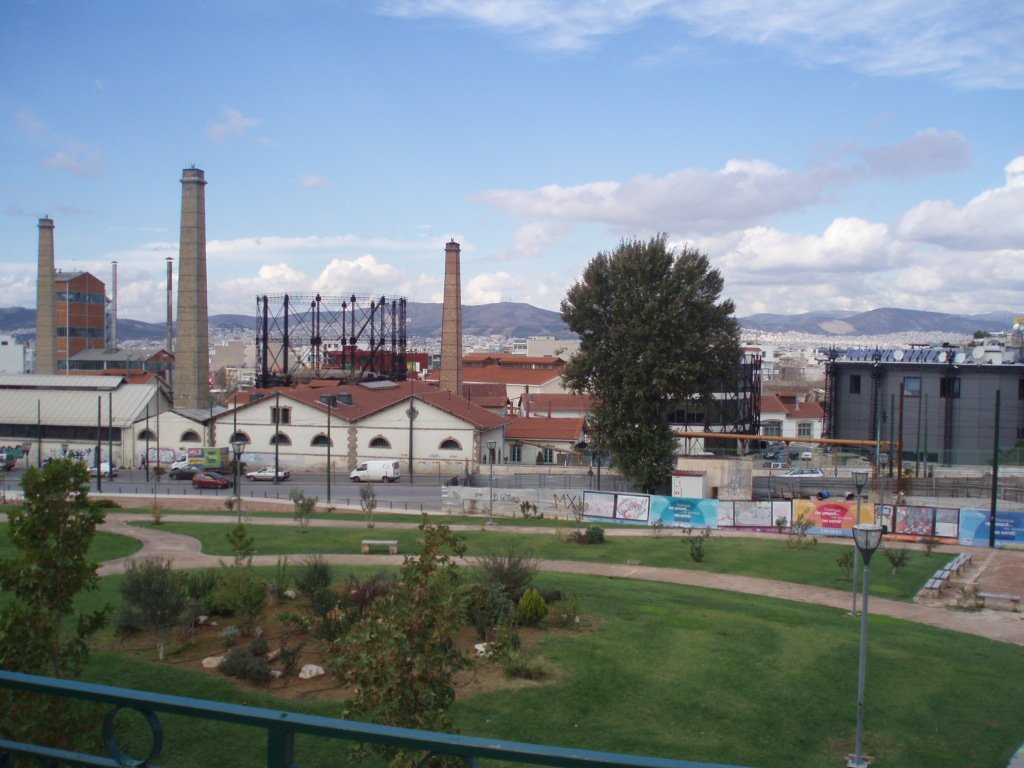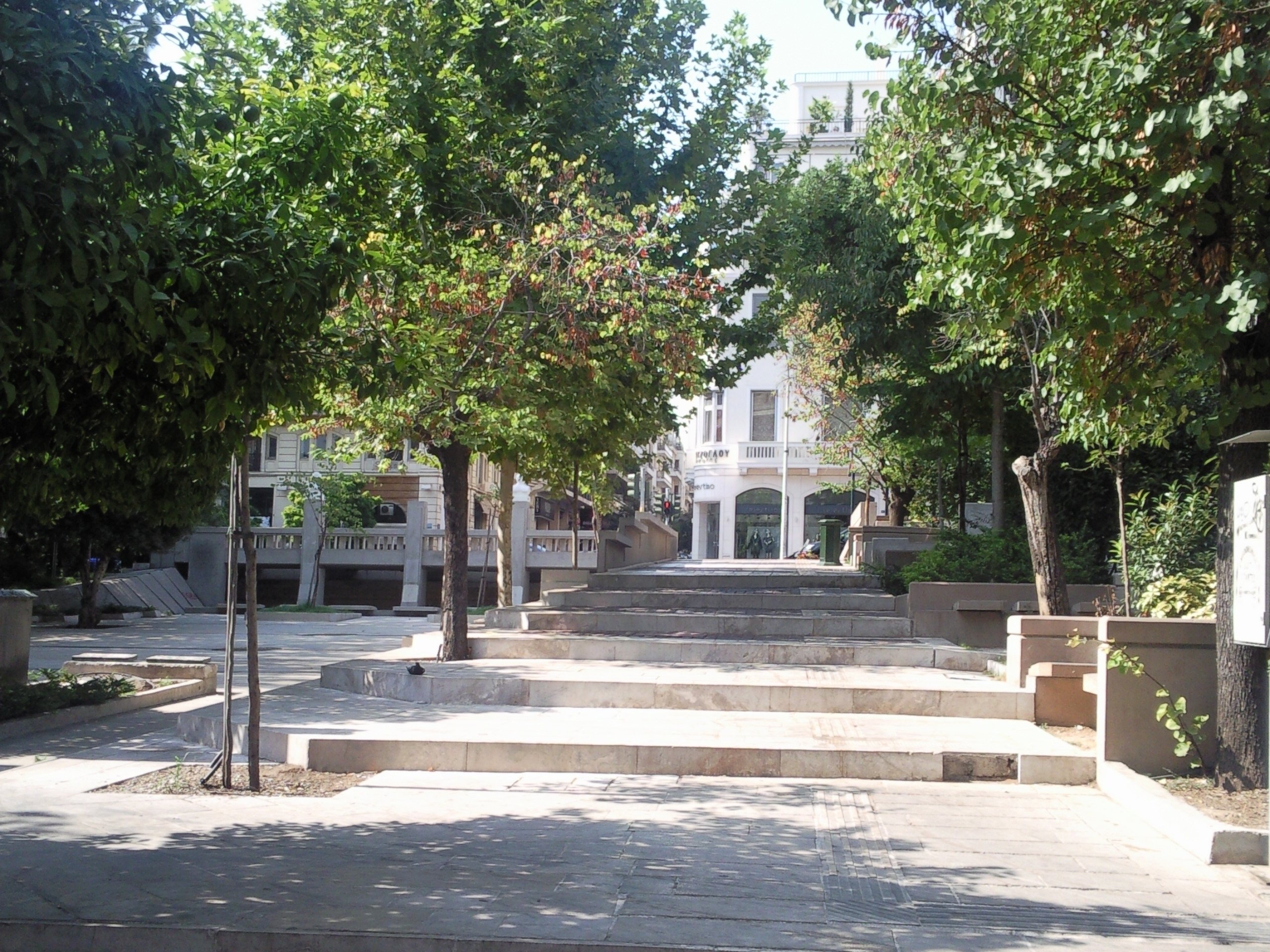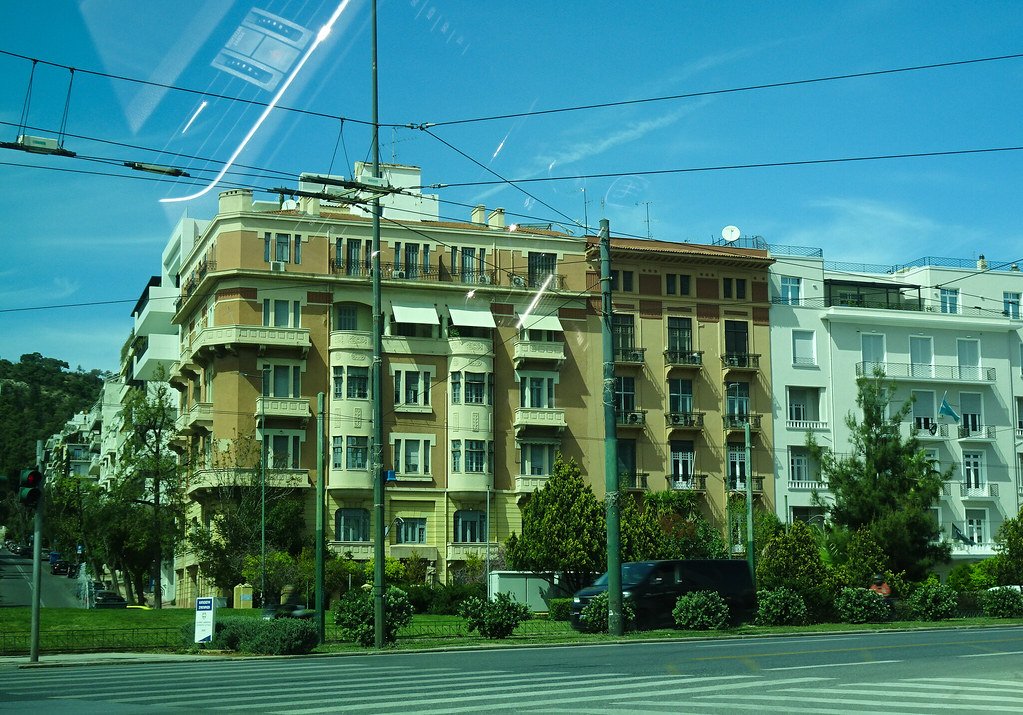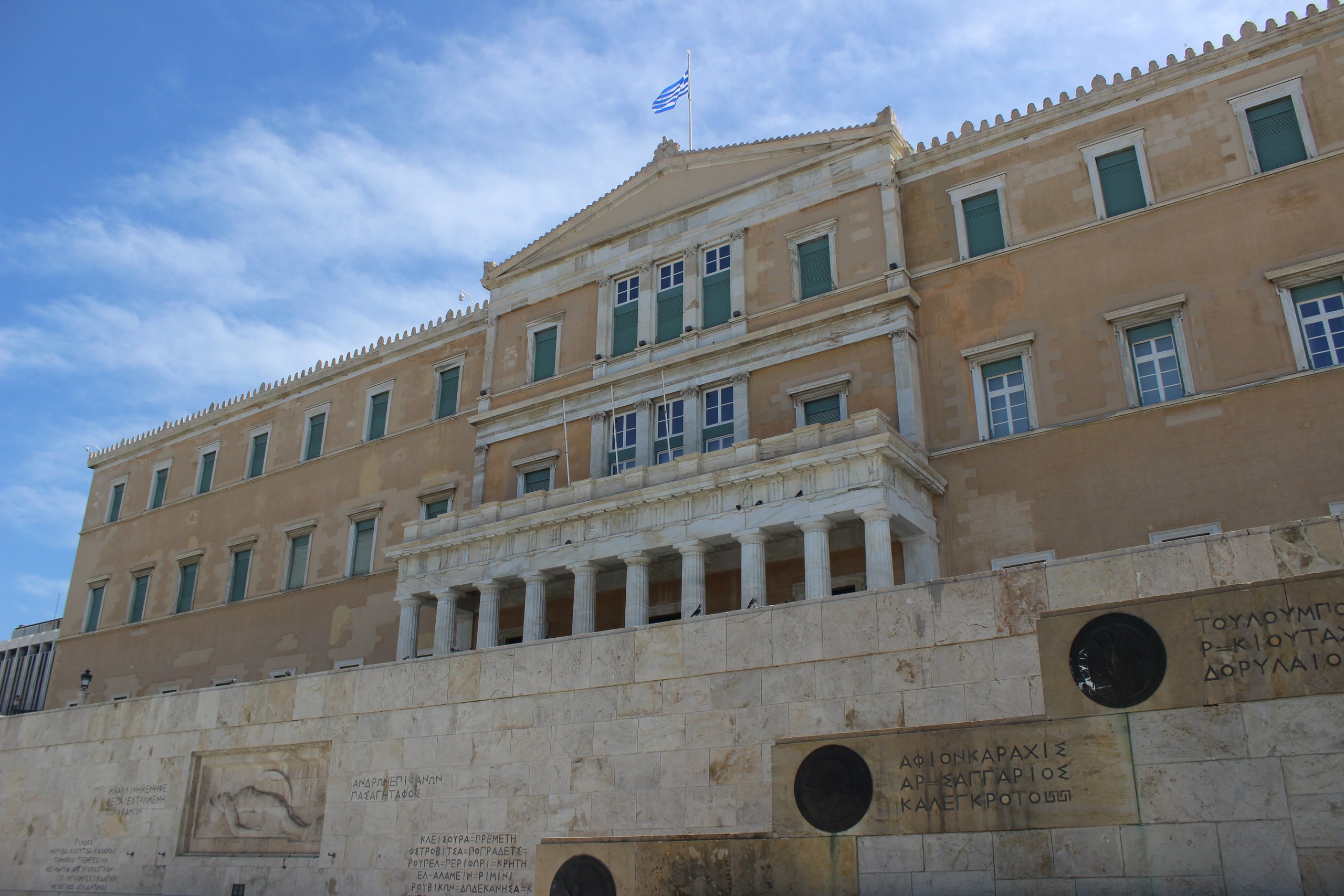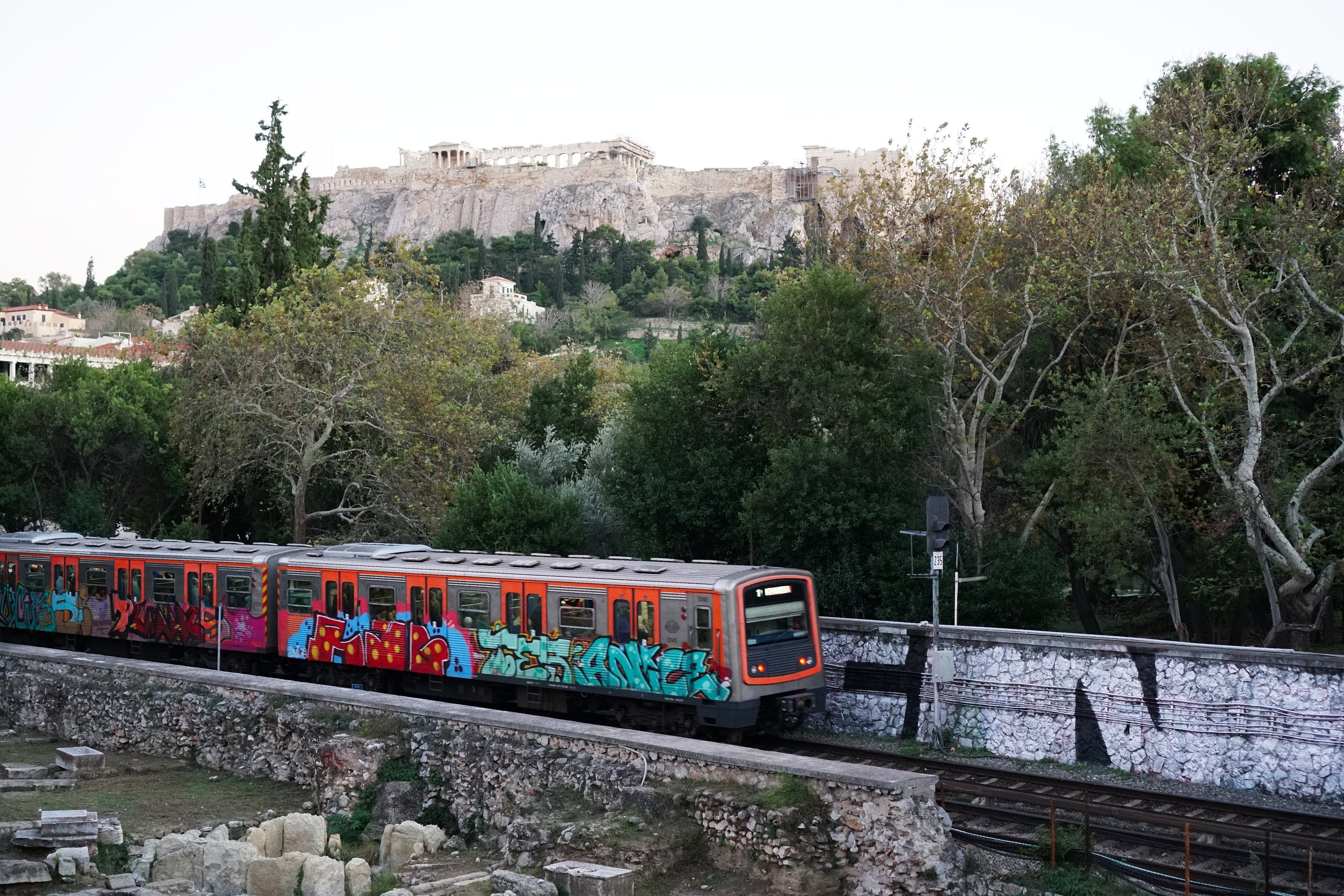
Athens is one of the oldest continuously inhabited cities in the world — people have lived here for at least 7,000 years, and for 2,500 of them the city has been important. It is also one of Europe's most confusing capitals: a sprawling, hot, noisy metropolis of over 3 million people, blanketed by low concrete apartment blocks, crossed by chaotic traffic, and centred on a small rocky hill that happens to hold the most important set of ruins in the western world. First-time visitors often hate it at first sight and then find themselves captivated by the time they leave. It rewards patience.
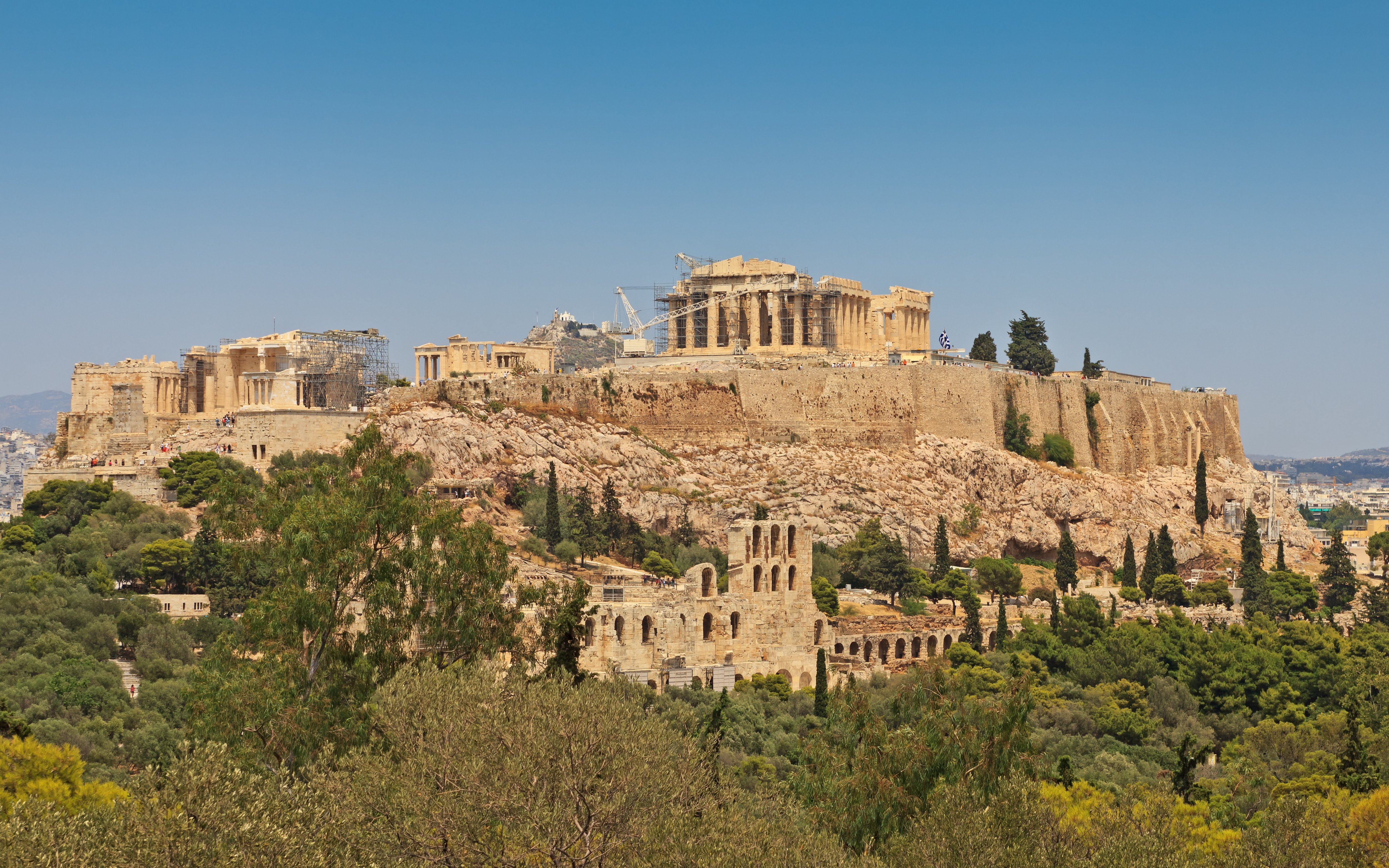
Everything orbits the Acropolis. The rocky citadel at the heart of the city, crowned by the Parthenon (447–432 BCE), is the single most recognisable building in the world. Along with its smaller companions — the elegant Erechtheion with its porch of caryatids, the tiny Temple of Athena Nike, the Theatre of Dionysus at the base of the hill, the magnificent 2nd-century Odeon of Herodes Atticus (still used for summer concerts) — it is the birthplace of classical civilization. Climb it in the early morning, before the sun and the tour buses arrive, and take your time. The adjacent Acropolis Museum, opened in 2009, is one of the finest archaeological museums in Europe — a deliberately austere glass-and-concrete building whose top floor, set at the exact orientation of the Parthenon, displays the surviving marble sculptures.
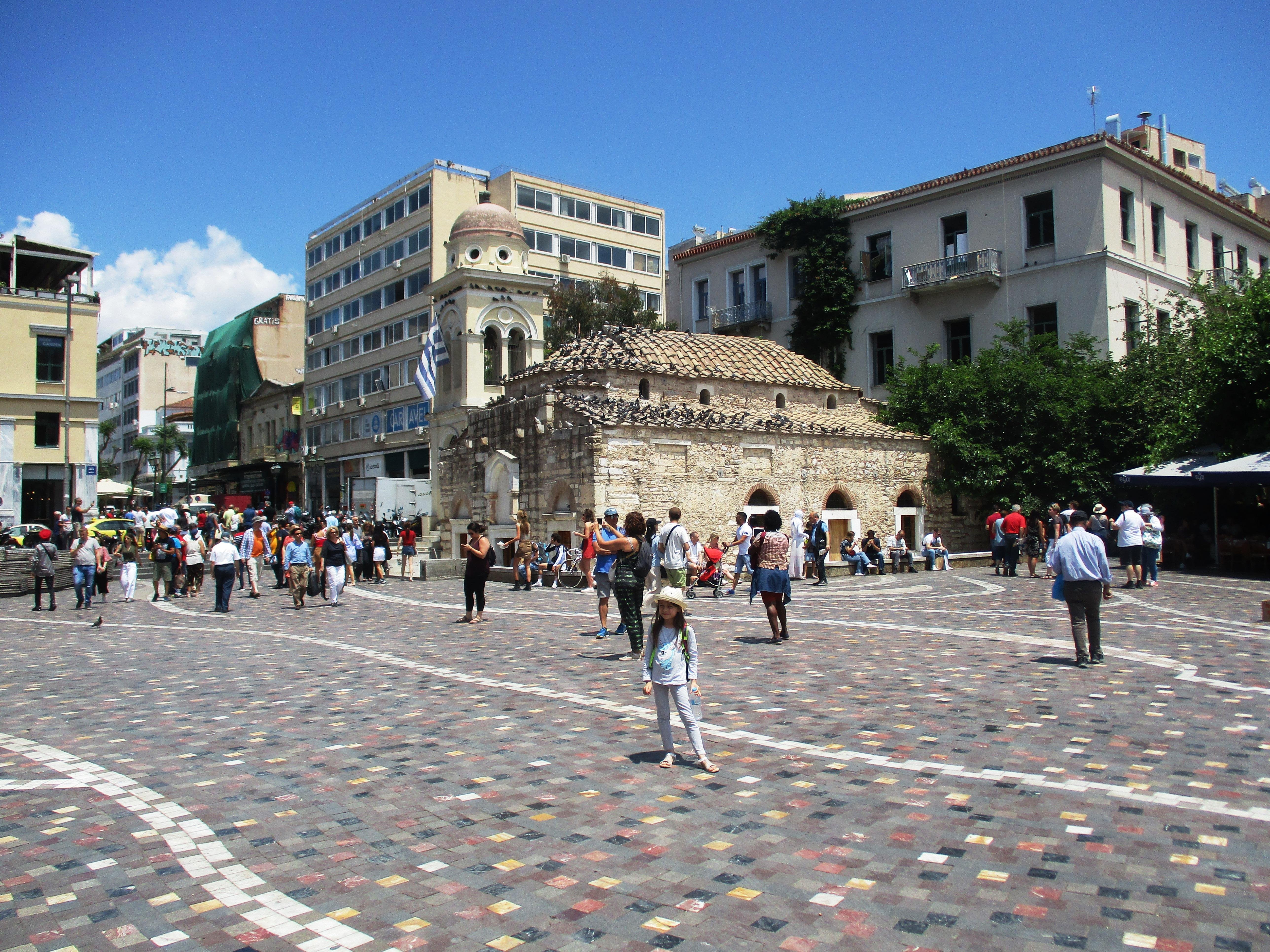
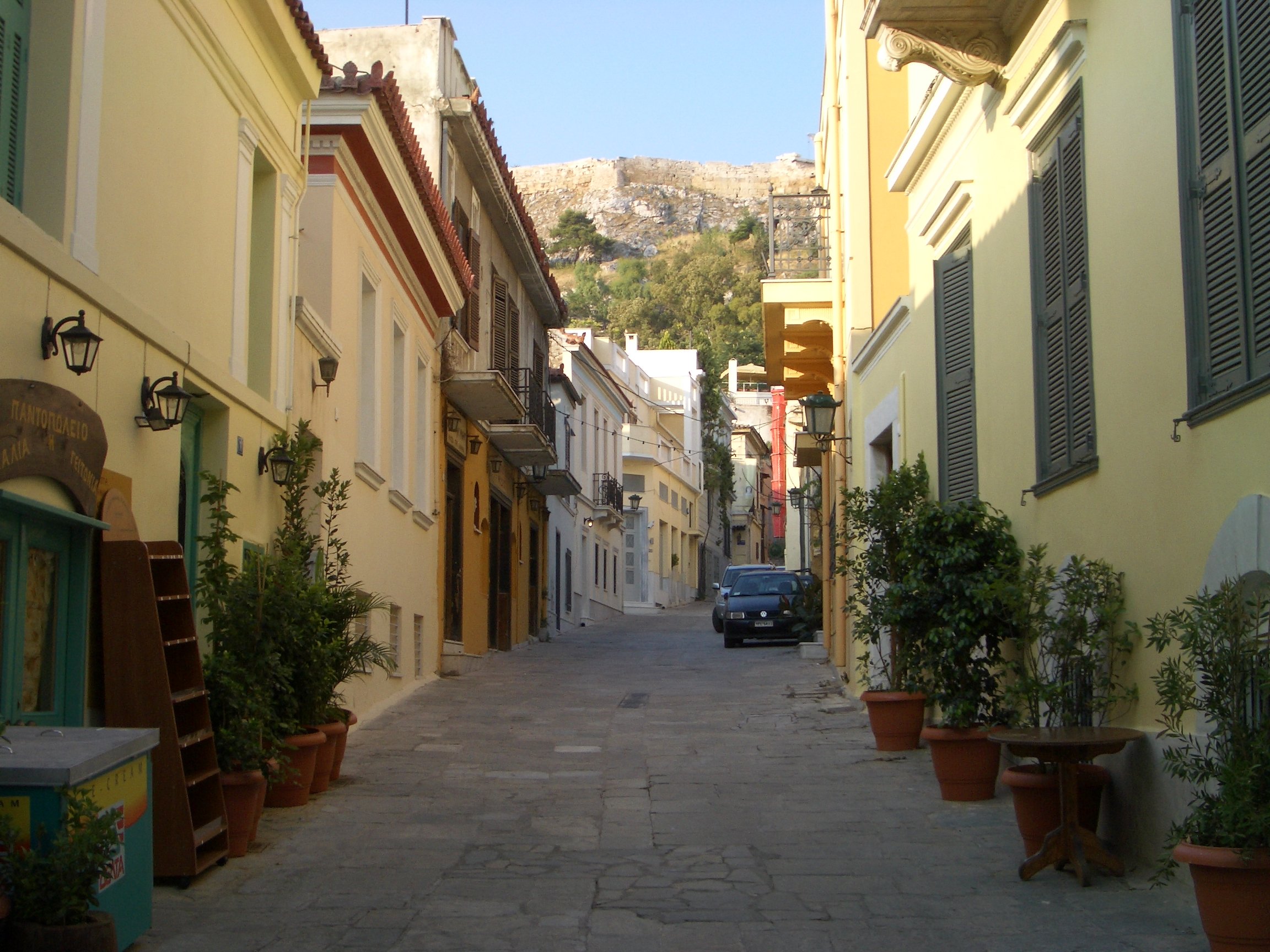
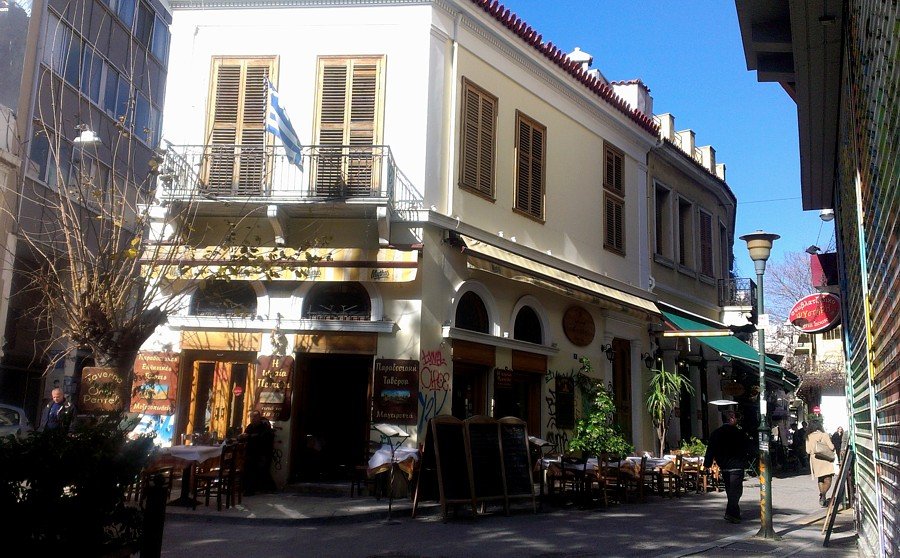
Below the Acropolis, the Plaka is the old Ottoman-era quarter of narrow lanes, whitewashed houses and outdoor tavernas — over-touristy but undeniably atmospheric, and threaded with the impossibly Cycladic neighbourhood of Anafiotika. Next door, Monastiraki has Athens's famous flea market and the remains of the Roman Agora with its octagonal Tower of the Winds. Further west lies the Ancient Agora with the perfectly preserved Temple of Hephaestus, where Socrates once taught and was sentenced to death. The National Archaeological Museum, some distance north of the centre, holds the finest collection of ancient Greek art in the world, including the gold of Mycenae and the bronzes recovered from the Aegean. And the fashionable district of Kolonaki at the foot of Lycabettus Hill has the best restaurants, bars and boutiques, along with the Benaki, Cycladic Art, and Byzantine and Christian museums.
Come in April, May, late September or October. Summers (June to early September) are punishingly hot — often over 35°C — and most Athenians flee to the islands, leaving the city to baking tourists. Athens is also the gateway to the Greek islands: the port of Piraeus, 10 km south of the city, has daily ferries to all the Cyclades and the Saronic Gulf islands. For a short inland day trip, Cape Sounion with its cliff-top Temple of Poseidon is 90 minutes south by bus; Delphi is three hours to the north-west.