Sparta
©
Sparta

Sparta

The capital of ancient Laconia is now a quiet modern town in the Eurotas valley — best used as a base for the spectacular Byzantine ruins of Mystras five kilometres west.

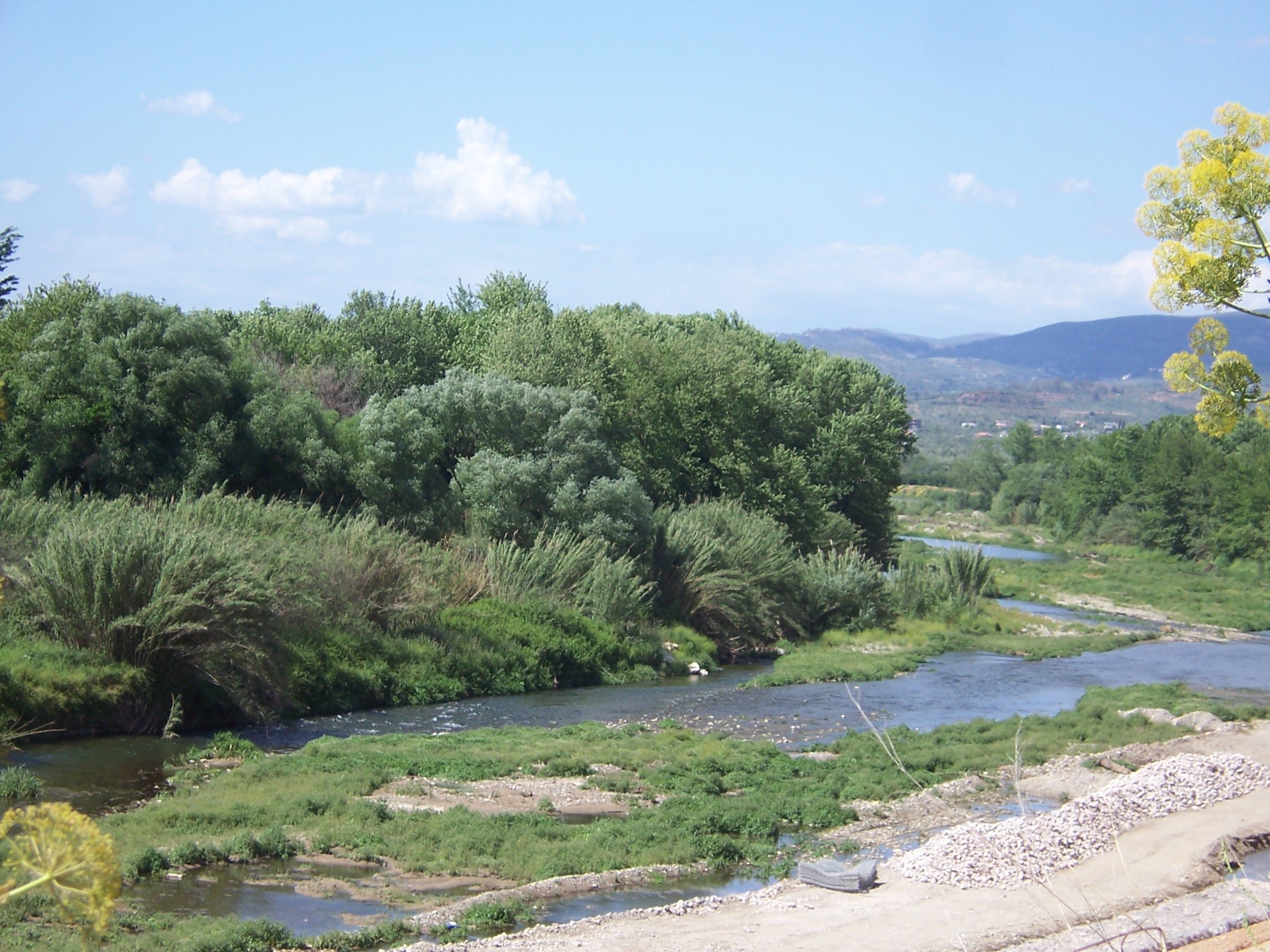
Modern Sparta is the small administrative capital of Laconia, a quiet town of around 16,000 people in the broad Eurotas valley between the Taygetos and Parnon mountain ranges. It exists almost entirely on a grid laid out by a Bavarian town planner in the 1830s on the site of the ancient city, and you should arrive with calibrated expectations: there are essentially no above-ground remains of classical Sparta to speak of. As Thucydides predicted in the fifth century BC, future generations would find it hard to believe such an unimpressive site had once held one of the most feared powers in the Greek world.

Spartan austerity, it turns out, applied to the architecture too. Where Athens built marble, Sparta built mud-brick and timber — and time has been merciless. What survives is the acropolis, a low hill north of the modern centre with scattered ruins of a theatre, a stoa and the temple of Athena Chalkioikos; the Sanctuary of Artemis Orthia, where Spartan youths were ritually flogged as a coming-of-age rite; and the Menelaion, a hilltop shrine outside town said to be the tomb of Helen and Menelaus. The Archaeological Museum on the main square holds what little was found.

The real reason most travellers come to Sparta is to use it as a base for Mistra, five kilometres west — a UNESCO-listed Byzantine ghost city of palaces, churches and monasteries on the slopes of the Taygetos. Mistra is far more impressive than anything in Sparta itself, and a half-day there plus the Sparta museum makes a satisfying day from a single hotel.

The modern town is functional rather than beautiful, with a few decent tavernas around the main square and the long pedestrian boulevard that runs west toward the giant statue of Leonidas at the end of town. The local Laconian oranges, olives and a heavy-bodied red wine from the Eurotas vineyards are the regional contributions to dinner. Two nights is enough for most visitors.

Guide

Day Trips

Sparta is mainly worth visiting as a base for places nearby that are better than Sparta itself.

Mistra — six kilometres west, the UNESCO-listed Byzantine ghost city on the steep flank of the Taygetos. The fortified medieval town of the Despots of Morea: ruined palaces, intact frescoed churches, a Frankish castle on top, an active convent halfway up. Half a day minimum; ideally a full day.

Mani Peninsula — the rocky middle finger of the southern Peloponnese, an hour and a half south by car, with the tower-house villages of the inner Mani, the dramatic west coast and (further down) the spectacular Diros caves. Better as an overnight than a day trip.

Monemvasia — a small fortified Byzantine town built into a tied island on the south coast, about an hour and a half east. One of the most striking medieval sites in Greece.

Gythio — the small port at the head of the Mani gulf, an hour south. Calm fishing village, decent beaches at Mavrovouni, and the gateway to Mani.

Langada Pass — the dramatic mountain road over the Taygetos to Kalamata, 60 km and ninety minutes one way. A scenic drive in its own right.

Guide

Getting There

Sparta is best reached by car or by KTEL bus. There is no train; the nearest airport is Kalamata (about ninety minutes by road over the Taygetos), and Athens international airport is roughly three and a half hours by car.

By bus, KTEL Lakonias runs frequent services from Athens (Kifissos terminal) — about four hours, several times a day. From Kalamata, services are less frequent but reliable. Within Sparta, almost everything is walkable; for Mistra, hourly buses run from the central square — a fifteen-minute ride — or a taxi is around 10 euros.

If you have a car, the drive south from Athens via the Korinth canal, Tripoli, and the new motorway is straightforward and about three hours door-to-door.