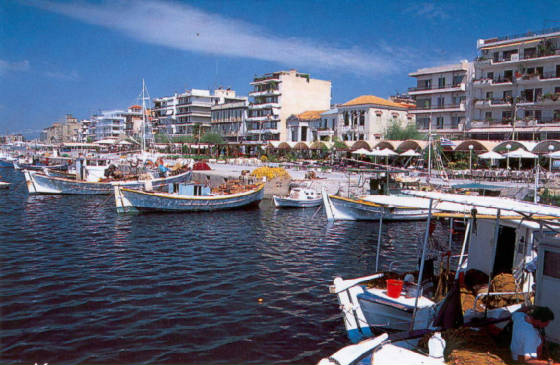
Kalamata is the second-largest city in the Peloponnese and the capital of Messenia, a region that has been central to Greek history since the Bronze Age. Most people know the name from the olive — the large, dark Kalamata olive grown in the surrounding plain is exported worldwide and has earned the city a global culinary reputation it doesn't always get credit for as a destination in its own right.
The city was devastated by a major earthquake in September 1986, which destroyed much of the old urban fabric. What rose in its place is a modern, functional Greek city, but the old quarter around the Byzantine castle survived and gives Kalamata its historic identity. It was here, at the Church of the Holy Apostles, that the Greek War of Independence was first proclaimed in the Peloponnese on 23 March 1821 — the Maniots had captured the Ottoman garrison just days before.
The city's waterfront is long, sandy, and genuinely pleasant, backed by a promenade of cafes and restaurants. In July, the Kalamata International Dance Festival turns the city into one of Europe's most interesting contemporary performance venues, with shows in the castle grounds and the dedicated Dance Megaron on the seafront.
Most importantly, Kalamata is superbly positioned for exploring the southern Peloponnese. The Mani peninsula — wild, spare, and unlike anywhere else in Greece — is 45 minutes to the south. The ruined Byzantine city of Mystras is an hour to the east. Ancient Messene, with some of Greece's best-preserved Classical walls, is 25 km to the north. The Taygetos mountains rise directly behind the city. Few Greek cities offer this density of extraordinary day trips from a single base.