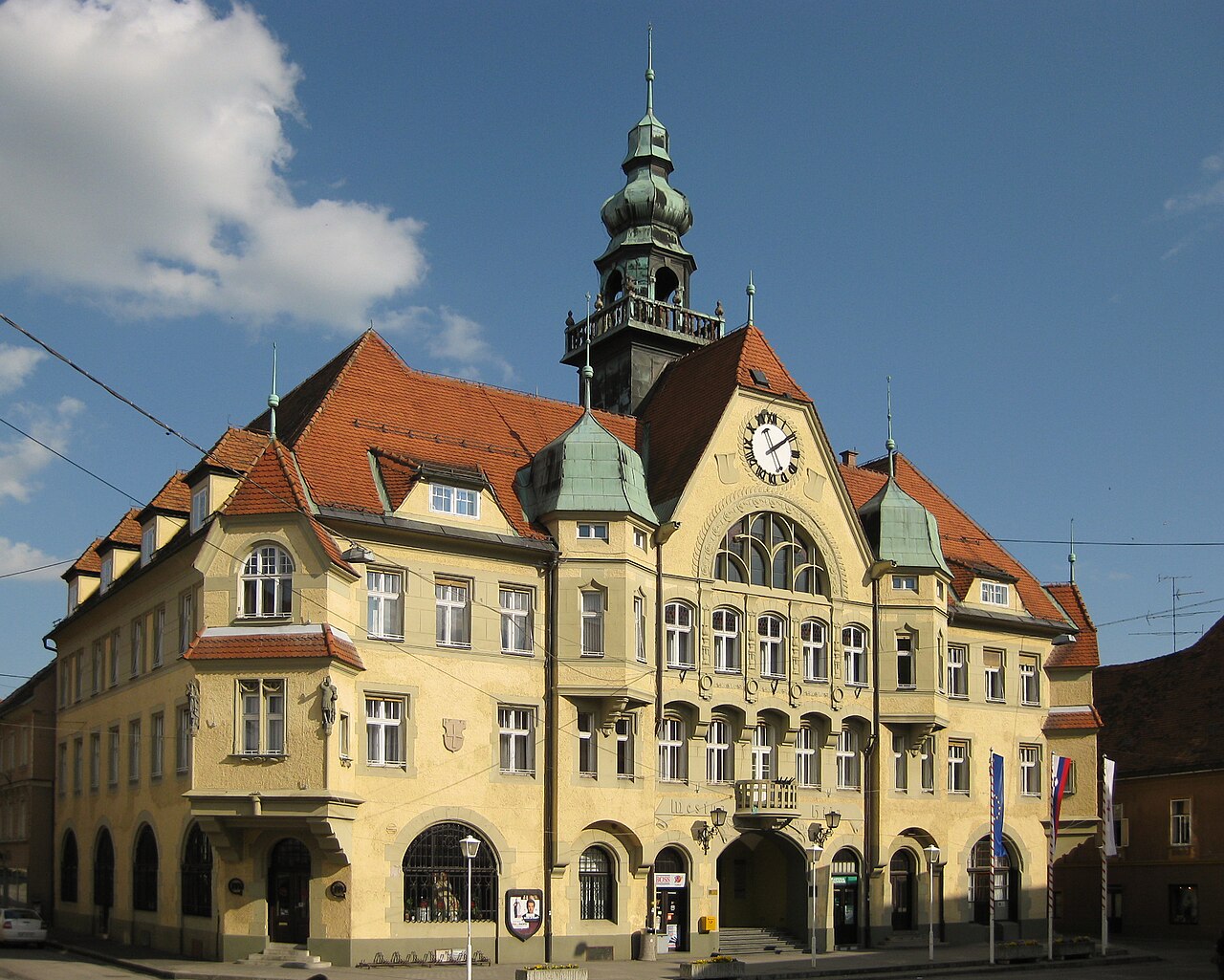
Oldest town in Slovenia, clustered below a castle above medieval lanes and wine cellars.
Ptuj is the oldest town in Slovenia, with town rights dating back to 977, and it wears that age well. The compact historic centre clusters beneath a hilltop castle and is filled with the kind of detail that rewards slow walking: carved stone doorways, wrought-iron window grills, and patrician houses lining quiet streets.
Ptuj Castle houses a museum with an excellent collection of musical instruments and period rooms, and a striking display of Kurent carnival costumes. Below it, the Dominican Monastery and the Provost Church anchor the old town, and the vaulted wine cellars beneath the city store vintages from a tradition that stretches back more than seven centuries. In the main square, the Orpheus Monument — a Roman marble stele that has stood here since the 2nd century — is one of the best-preserved pieces of Roman public art in Slovenia.
Ptuj is also home to Kurentovanje, the pre-Lenten carnival held in February. Locals dress in sheepskin costumes with elaborate masks and cowbells to chase away winter — it is one of the most distinctive folk traditions in Europe and draws crowds from across Slovenia.
Guide
Getting There
Ptuj is on the main rail line between Maribor and Zagreb, with regular connections from Maribor (about 30 minutes). From Ljubljana, you need to change at Pragersko or Maribor, making the journey around two hours. Direct buses from Ljubljana and Maribor also run to Ptuj.
By car, Ptuj is 125 km northeast of Ljubljana via the A1 motorway to Maribor and then the A4 toward the Croatian border.
Guide
When to Go
Ptuj is worth visiting year-round, but two periods stand out. February brings Kurentovanje, the pre-Lenten carnival, which is the most compelling reason to visit — book accommodation well in advance if you're coming for the festival. Summer (June to August) is warm and pleasant for exploring the old town and swimming at Lake Ptuj, though crowds are manageable by central European standards.
Autumn is excellent for the wine harvest — the surrounding Podravje hills are some of Slovenia's most productive wine country, and harvest festivals run through September and October. The wine cellars beneath the town can be visited year-round.