Madrid sits at 650 metres on a high inland plateau and is, by some distance, the highest capital city in Europe. It became Spain's capital relatively late — in 1561, when Philip II moved his court here from Toledo — and grew quickly under the Habsburgs and Bourbons into a city of grand royal architecture, formal squares, and the finest art collection in the world. It is a city of late nights, big meals, and operatic public life: nobody is quite sure when the madrileños actually sleep.
The great sights cluster along the Paseo del Prado, the broad axis that runs north-south through the eastern half of the centre. The three world-class art museums — the Prado, Reina Sofía, and Thyssen-Bornemisza — form the "Golden Triangle" and between them hold an unmatched concentration of European painting. Allow at least a full morning for the Prado alone (the Velázquez and Goya rooms are the essential stop) and a couple of hours for each of the other two.
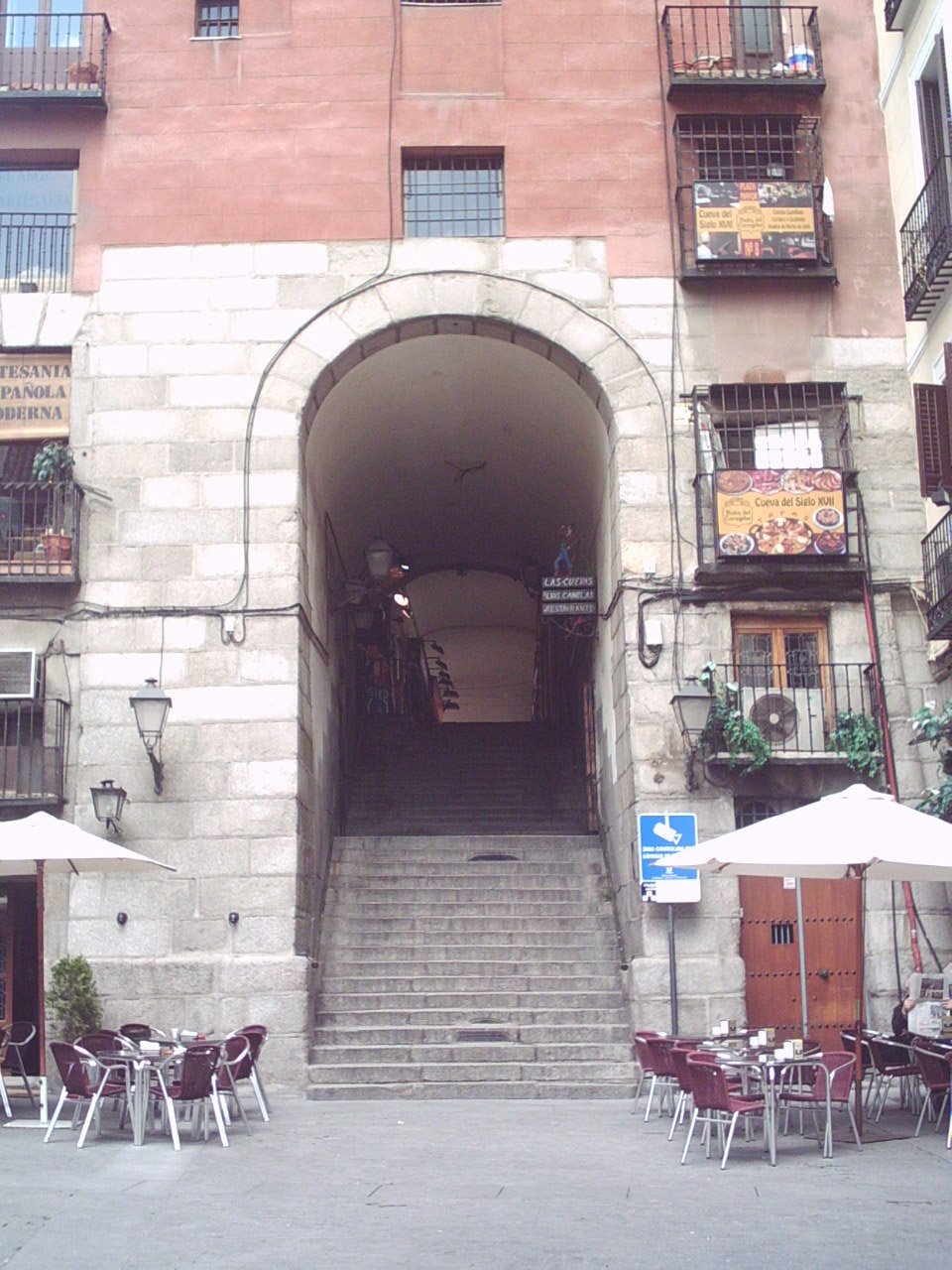
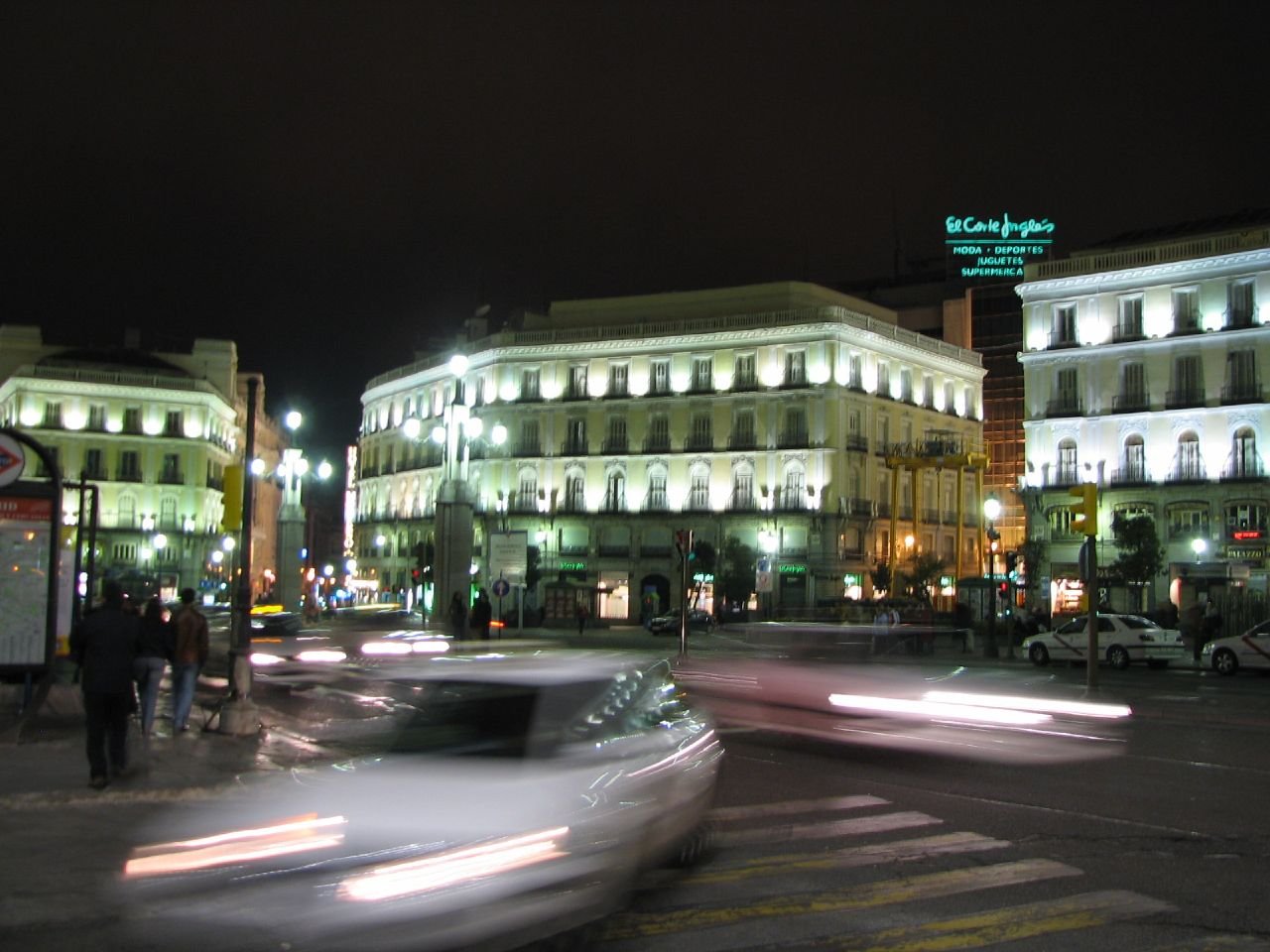
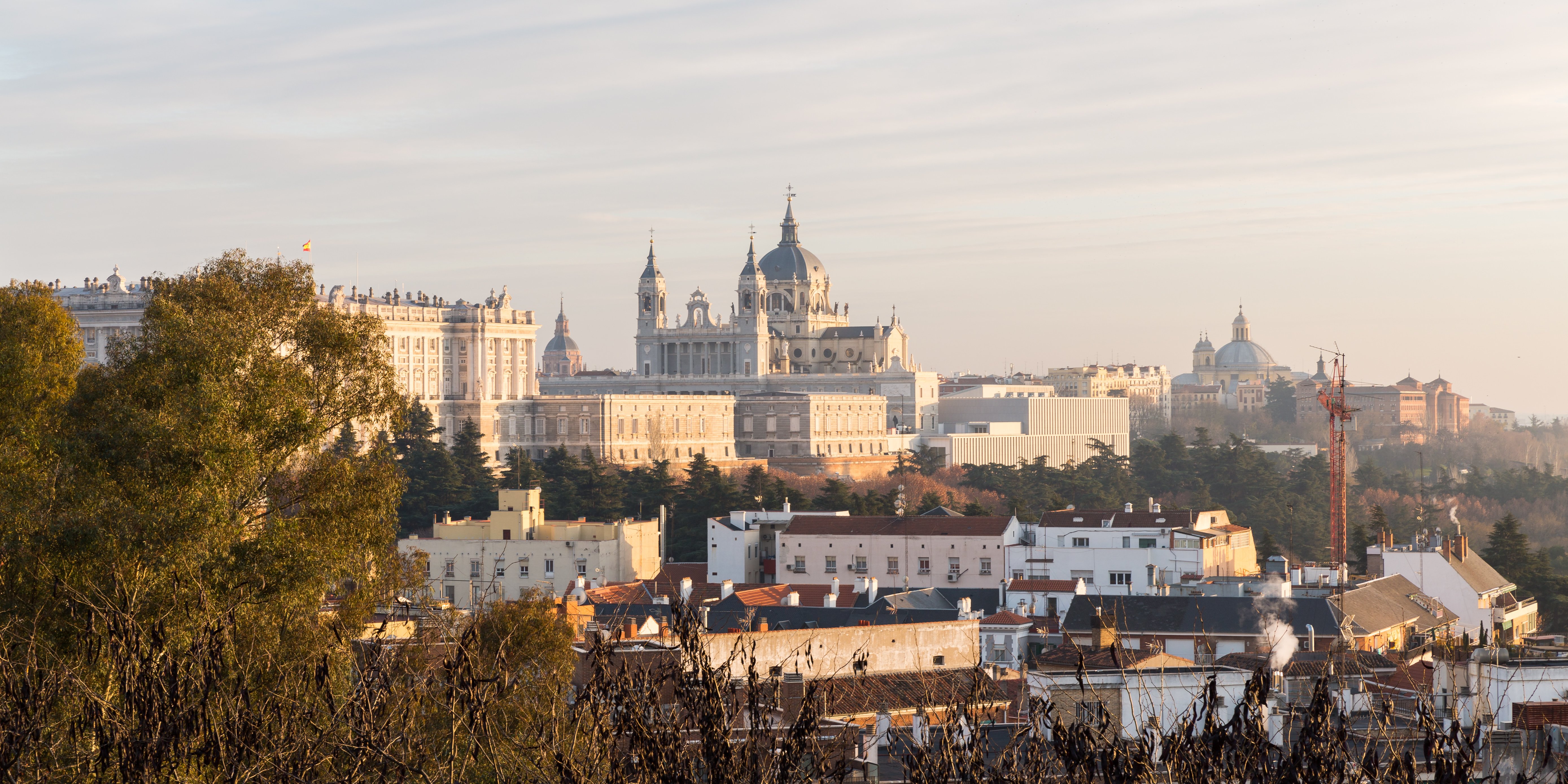
The historic core to the west centres on Plaza Mayor (the great 17th-century arcaded square), Puerta del Sol (the geographic centre of Spain), and the enormous Palacio Real — Europe's largest functioning royal palace. The neighbouring Almudena Cathedral, the Sabatini Gardens, and the Teatro Real opera house complete the royal precinct.
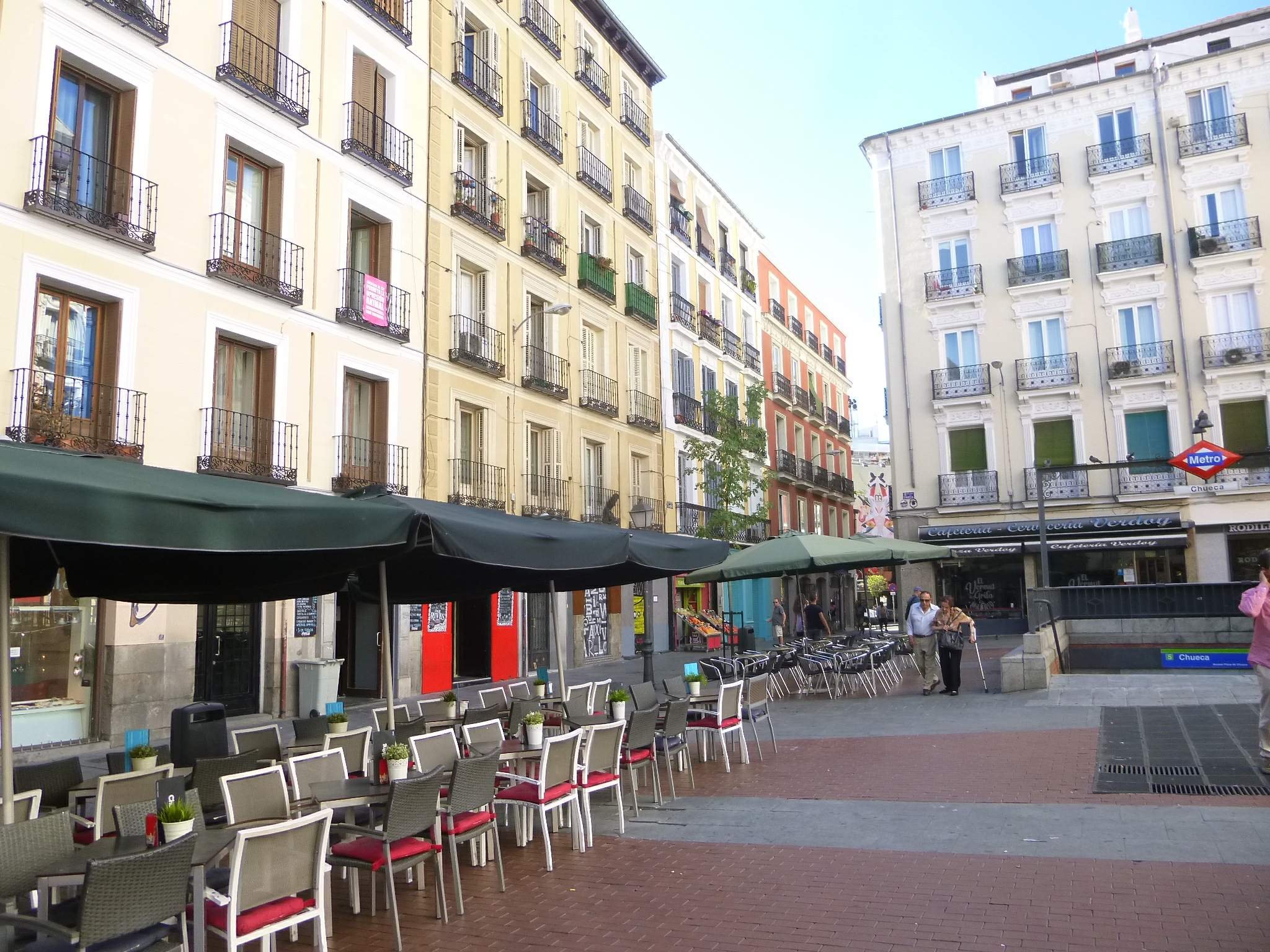
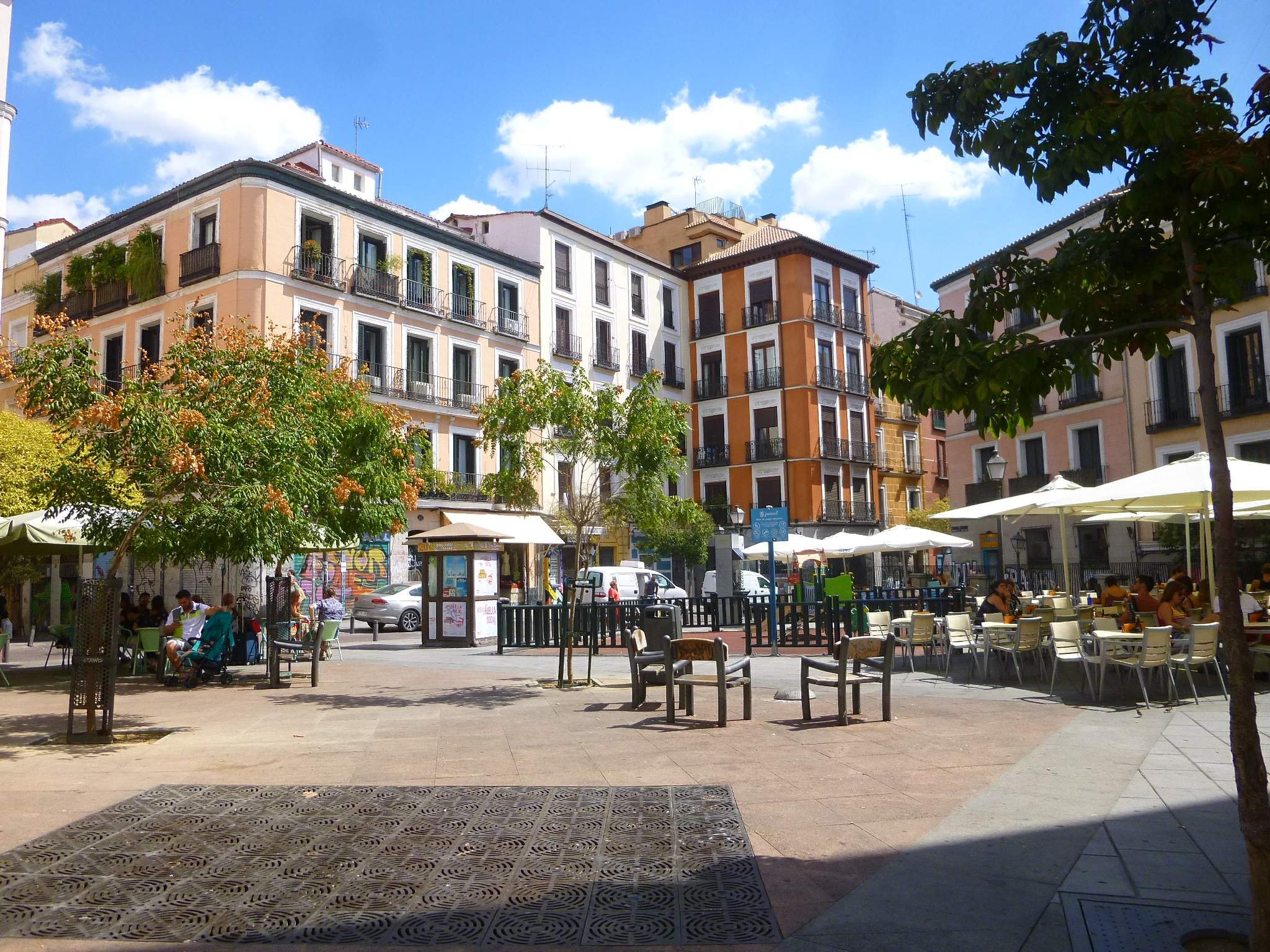
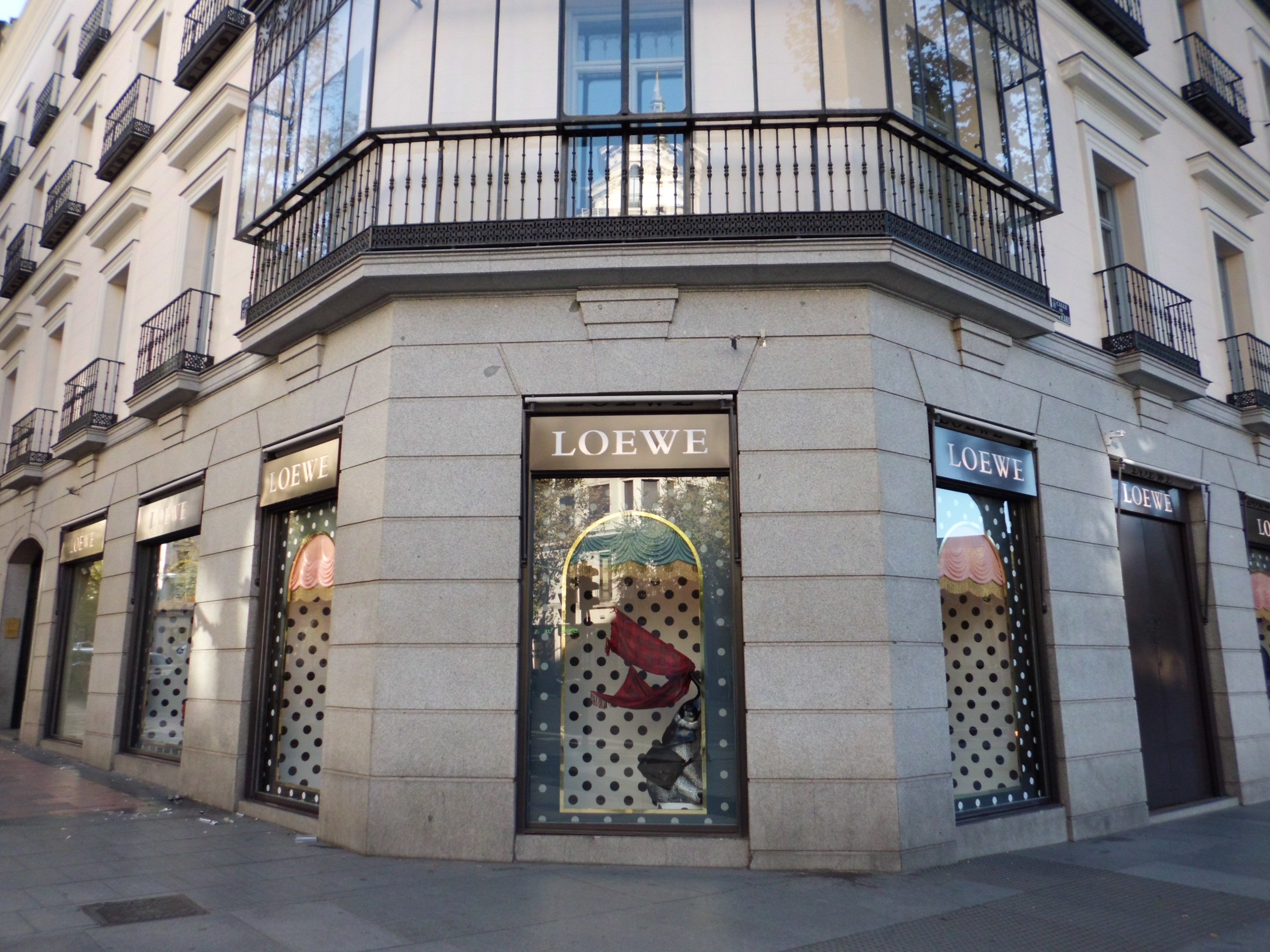
The neighbourhoods are where Madrid lives. La Latina is the great tapas crawl quarter, with the Sunday El Rastro flea market and twenty-odd bars on a single street (Cava Baja). Malasaña is the bohemian centre, Chueca is the LGBT and fashion district, and Salamanca is the upscale shopping grid east of the Castellana. All four are within easy walking distance of each other.
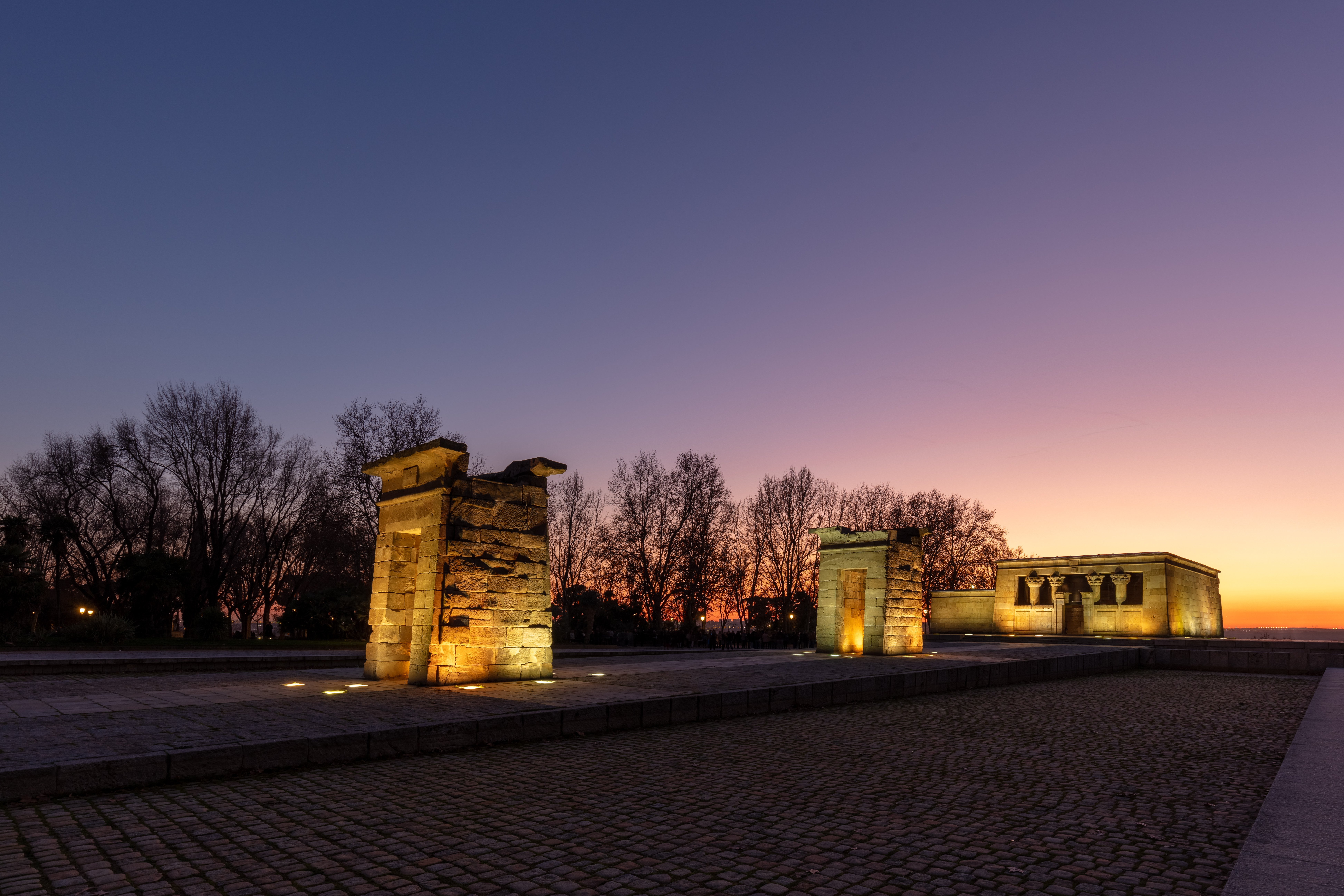
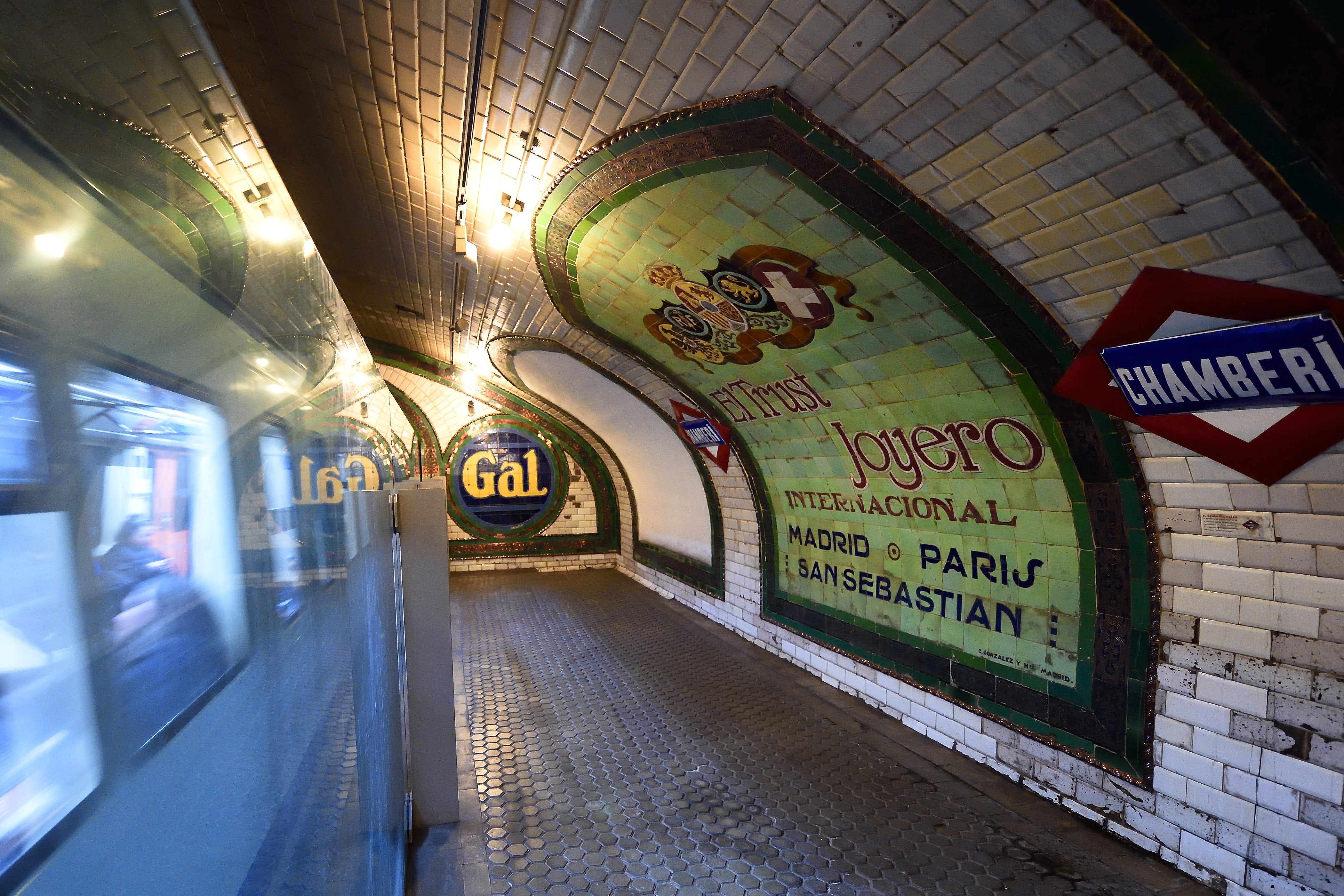
A handful of less-obvious sights pay off: Templo de Debod (a real Egyptian temple at sunset), San Antonio de los Alemanes (the so-called Sistine Chapel of Madrid), the Chamberí Ghost Station (a sealed-off 1919 metro stop), the Convent of Las Descalzas Reales (Habsburg royal women's retirement house, full of Titian and Rubens), and the Lázaro Galdiano — a private collection of Goya, Bosch, and El Greco in an old Salamanca palace.
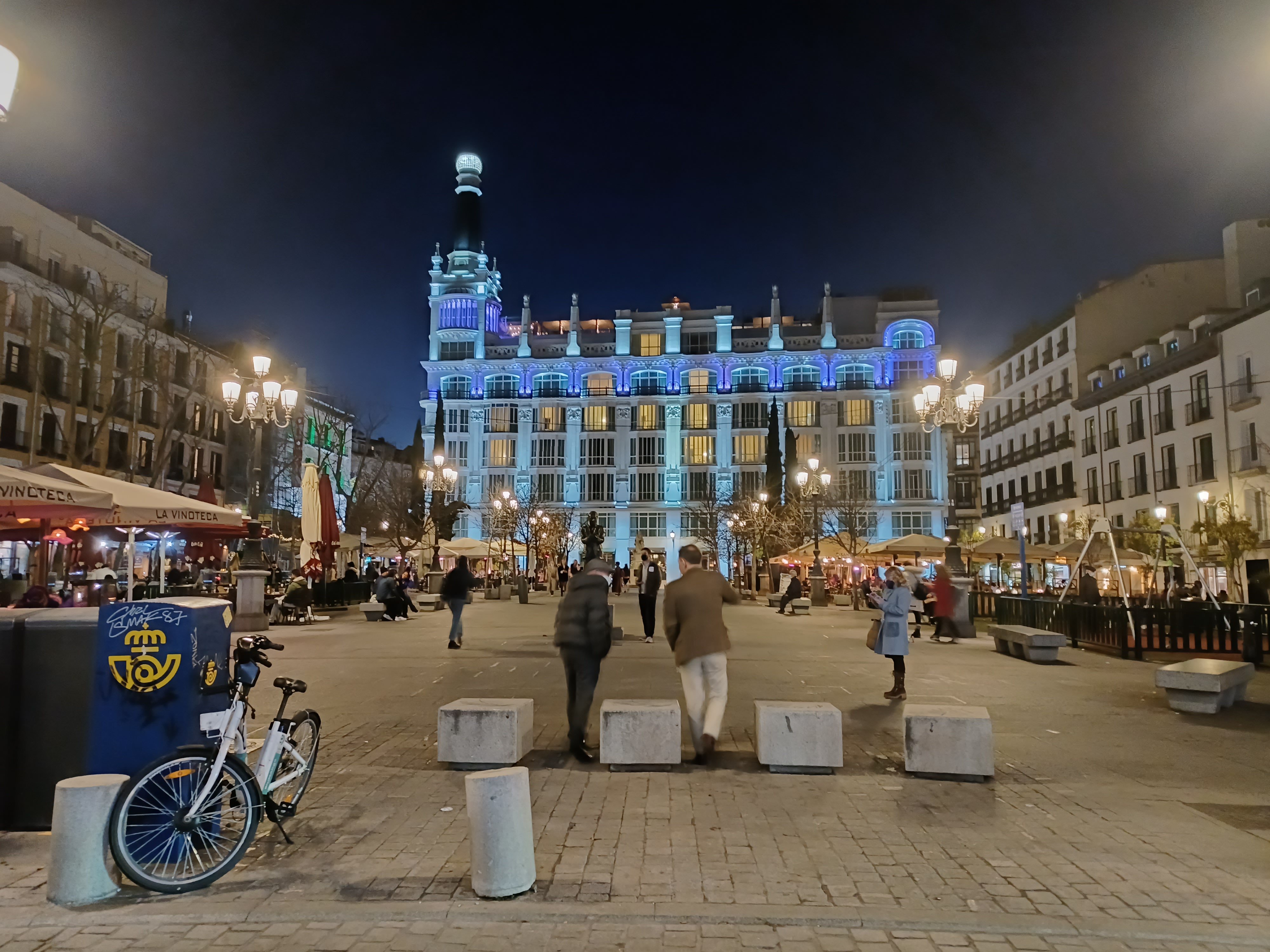
The city is at its best in the evening. Dinner does not really begin before 9 pm; the tapas crawl runs until past midnight; the clubs open at 1 am and close at 6. The Plaza Santa Ana area is where Hemingway's Madrid still survives — start at the bar Cervecería Alemana, end with churros at Chocolatería San Ginés. For day trips, the rail lines fan out to Toledo, Segovia, Ávila, El Escorial, and Aranjuez — five of the great historic towns of central Spain are all within an hour of the city.