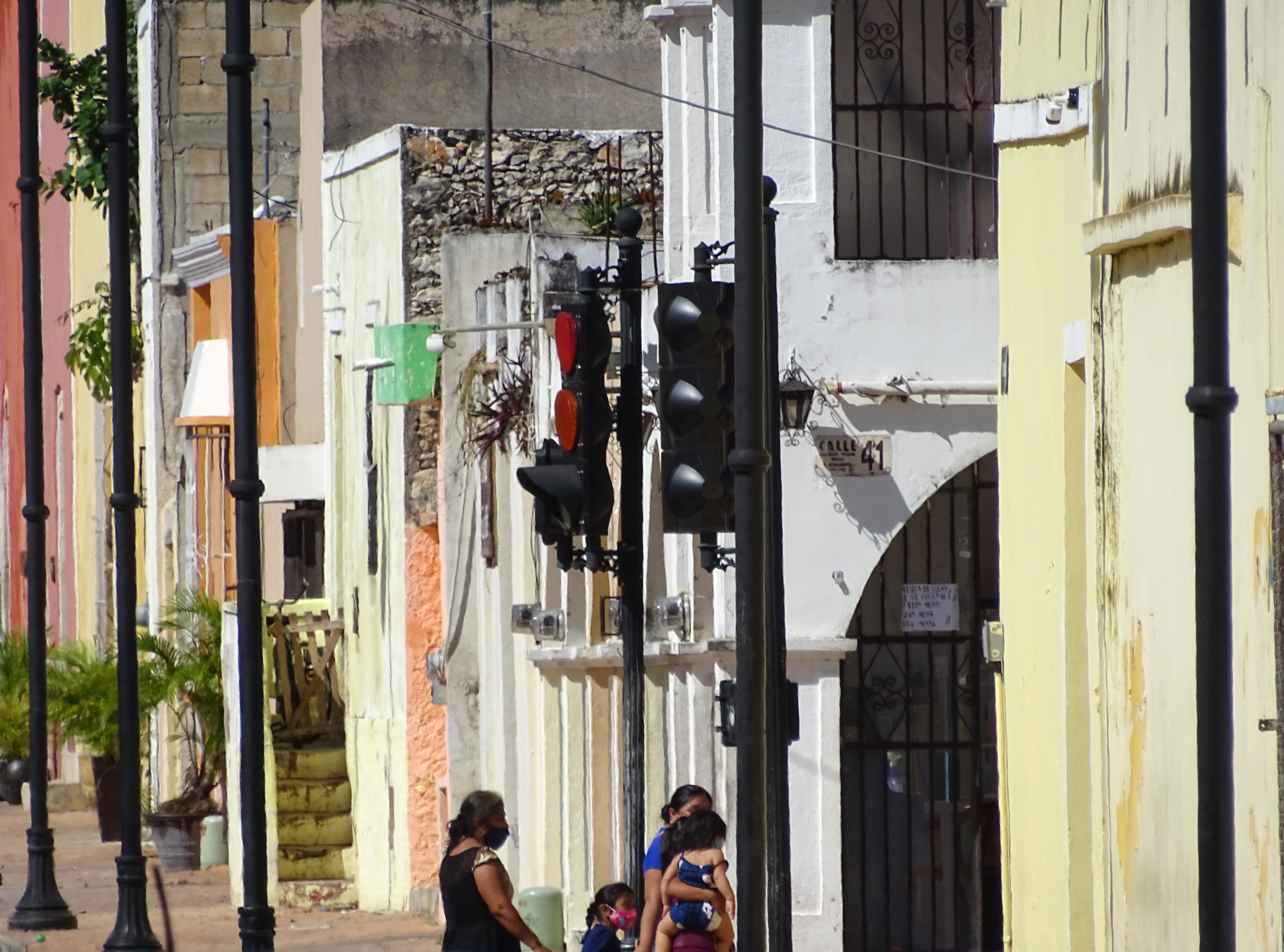
Valladolid is a small colonial city halfway between Mérida and Cancún, and one of the most pleasant stops on the Yucatán peninsula. The pace is slow, the architecture is handsome, and the town has not yet been overwhelmed by tourism.
The main plaza is the heart of the city — shaded, sociable, and ringed by colonial buildings including the Cathedral of San Gervasio. Mayan women sell hand-embroidered huipiles and blouses on the benches opposite the church. The shops Artesanías del Parque and Ek Balam on the square carry unusual handcrafts at good prices.
Valladolid played a pivotal role in Yucatán history: the Caste War of 1847 began here. Seven neighbourhood churches from the colonial period are scattered through the town, and the Convento de San Bernardino de Siena, founded in 1552, is one of the oldest religious buildings on the peninsula. The Palacio Municipal has impressive murals depicting Mexican history, and the San Roque Museum covers the town's pre-Hispanic and colonial past.
The two cenotes are not to be missed. Cenote Zací, right in the town centre, is a huge open sinkhole. Cenote Dzitnup (also called X'kekén), a few kilometres west, is a cathedral-like underground pool — you descend through a narrow passage into a cavern lit by a single shaft of daylight, then swim in the clear blue water.
The local cuisine is distinctive: lomitos de Valladolid (pork loin in tomato sauce), longaniza (spiced sausage), and pollo en escabeche (pickled chicken) are all worth seeking out.