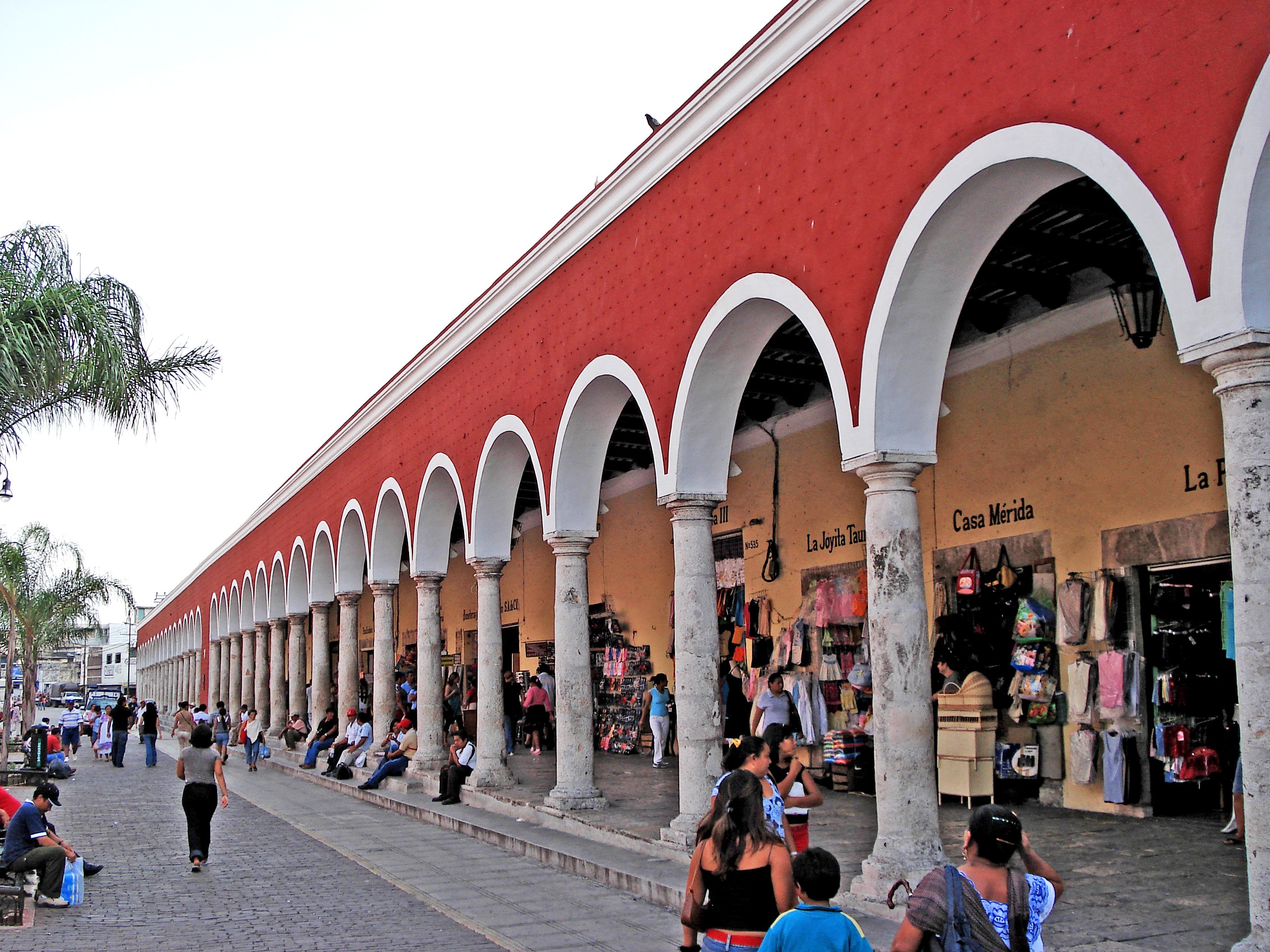
Mérida is the capital of Yucatán state and the largest city on the peninsula, built on the site of the ancient Maya city of T'hó. The Spanish founded their city here in 1542, and the evidence of both civilisations is still visible: the Cathedral on the Plaza Mayor was partly built from stones taken from the Maya temples it replaced. The city was named for Mérida in Spain because the Roman ruins there reminded the conquistadors of the Maya structures they were demolishing.
The city made its fortune twice: first on cattle, then on henequen — the fibre from agave plants used to make rope in the late 19th and early 20th centuries. When Yucatán was producing most of the world's commercial rope, Mérida was one of the wealthiest cities in the Americas. The Paseo de Montejo, the grand boulevard built by the henequen barons, still runs through the north of the city, lined with French-influenced mansions that testify to what a rope monopoly could buy. Several of these mansions are now museums; the best is the Palacio Cantón, which houses the Regional Museum of Anthropology and is the finest introduction to Maya culture on the peninsula.
Day-to-day Mérida is a working city with a strong Maya identity. Maya is spoken alongside Spanish throughout the city, and the central market, a block southeast of the Plaza Mayor, is one of the most atmospheric in Mexico: market women in huipiles, the smell of achiote and sour orange, hammocks stacked to the ceiling. The city is also the most comfortable base for exploring the Yucatán's extraordinary Maya ruins — Uxmal and Chichén Itzá are both within two hours, and dozens of lesser sites dot the region.
Mérida has a reputation as the safest large city in Mexico, and it has cultivated a quality-of-life appeal that keeps an international expatriate community well established. The climate is hot and humid from April to September; the winter months (November to February) are cooler and considerably more comfortable. Sunday mornings are when the city is most alive for visitors: the Paseo closes to cars, the Plaza Mayor hosts concerts and markets, and the city operates at a weekend rhythm that rewards slow exploration.