Chiloé
©
Chiloé

Chiloé

Rainy Chilean island of wooden churches, stilt houses, fishing coves, and sea-facing folklore beyond Puerto Montt

Chiloé is Chile with the weather turned inward: green, wet, wooden, and full of stories. The Isla Grande lies just beyond Puerto Montt, but the short ferry crossing over the Chacao Channel feels like a proper threshold. On the other side are shingled houses, fishing coves, foggy pastures, and a culture that has always looked both to the sea and to its own legends.

The island's great visual signatures are in Castro, where brightly painted palafitos stand on stilts over the water, and in the UNESCO-listed wooden churches scattered through the archipelago. Iglesia San Francisco, Nercón, Dalcahue, Achao, Chonchi, and Tenaún each show a different version of the same Chilote carpentry genius.

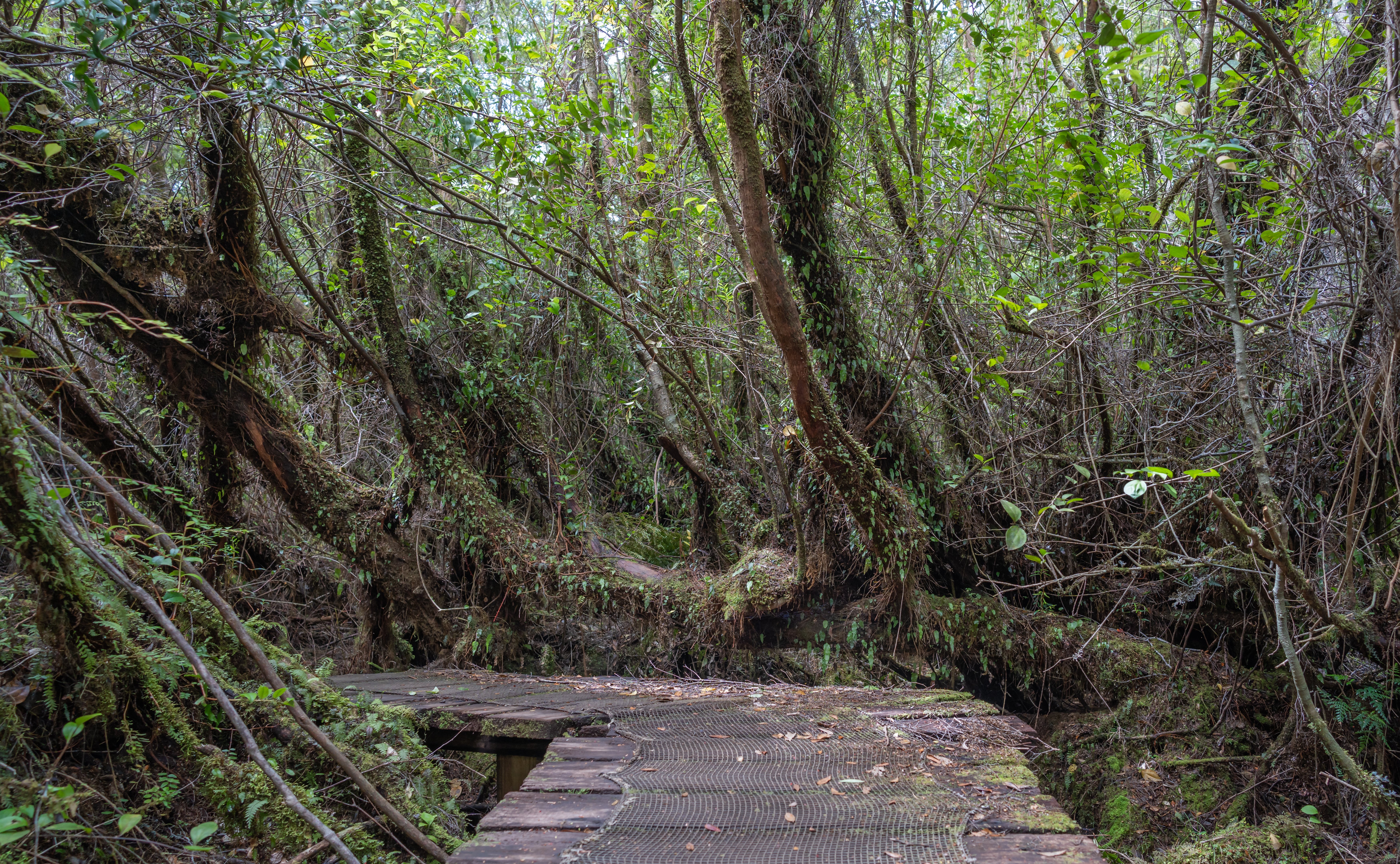
Nature is never far away. The west coast is wilder, with beaches, peatlands, and the temperate rainforest of Chiloé National Park. North of Ancud, boat trips to Puñihuil visit one of the few places where Humboldt and Magellanic penguins nest side by side. The south, around Tantauco, feels more remote still.

Come for two or three days if you only want Castro, Ancud, and a church circuit; come for a week if the island starts working on you. Chiloé rewards slow travel, rainproof clothing, and a tolerance for ferry schedules, muddy paths, and meals built around potatoes, seafood, and woodsmoke.

Guide

Activities

Chiloé is an archipelago with its own architecture, its own mythology and a different weather system from the mainland: wooden churches on UNESCO's list, houses on stilts over the water at Castro, and rain most of the year.

The wildlife is the other draw. Puñihuil, on the west coast, is the only place in the world where Humboldt and Magellanic penguins nest in the same colony.

Guide

Eating Out

Chiloé's food is sturdy, local, and built for weather. Look for curanto, the island's famous feast of shellfish, meat, potatoes, and milcao traditionally cooked in a pit with hot stones and leaves. In markets and simple kitchens, salmon, mussels, smoked fish, and dozens of potato varieties do the heavy lifting.

Guide

Getting Around

Buses link the main towns frequently enough for patient travellers, especially along the Ruta 5 corridor. Reaching national park trailheads, remote churches, and smaller islands is easier with a car, but even then ferries and gravel roads set the rhythm.

Weather changes plans. Leave slack in the day, especially if you are combining buses with boat trips or west-coast walks.

Guide

Getting There

Most travellers arrive from Puerto Montt by bus or car, crossing the Chacao Channel by ferry. Buses continue to Ancud, Castro, Chonchi, and Quellón, and the main north-south road is part of Chile's Ruta 5.

Castro has a small airport with occasional services, but Puerto Montt remains the reliable gateway. Ferries also connect parts of Chiloé with the fjord routes farther south.

Guide

Things to Do

Chiloé's highlights are spread out, so choose a base and do not try to see everything in one dash. Castro is practical for churches and the central island; Ancud works well for the north and Puñihuil; Cucao puts you closest to the national park.

Guide

When to Go

Summer, from December to March, is the most comfortable season: longer days, warmer weather, and the best chance of dry windows for walking. It is also the busiest period, especially around Chilean holidays.

Rain is part of Chiloé's personality in every season. Spring and autumn can be beautiful and quieter, but bring proper waterproofs. Winter is atmospheric, cold, and wet, better for people who like empty roads and wood fires more than beach walks.