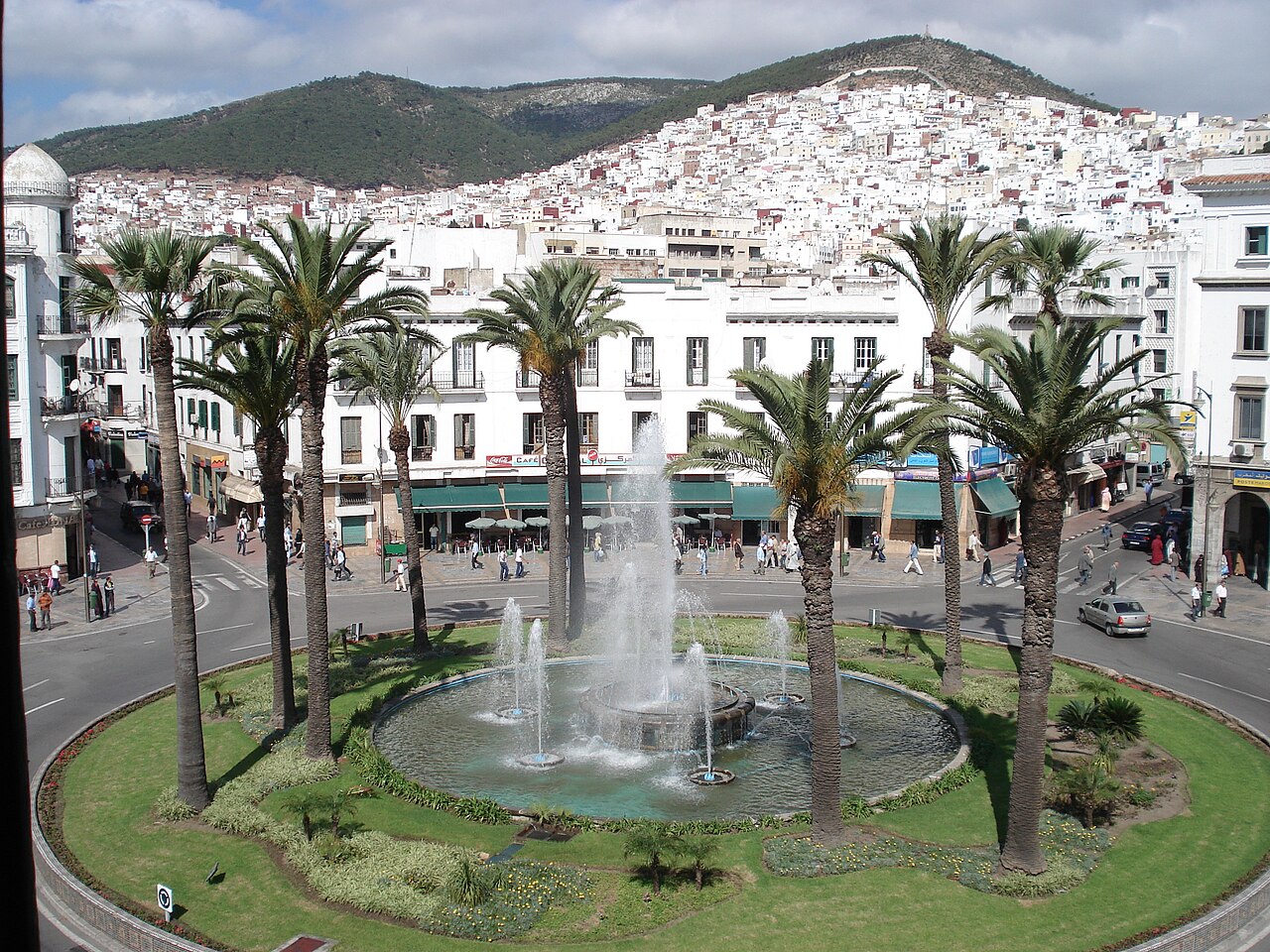
For people coming into Morocco through Ceuta, Tétouan is likely to be their first encounter with the country. Take a deep breath when you get out of the bus, because you will be besieged — students and touts will compete for your attention, and the street hustle here is more assertive than in most Moroccan cities. Once you have got used to it, though, Tétouan can be a very rewarding place.
It is a shame to just change buses here, because the medina is exceptional. Built by Muslim refugees from Spain in the 15th century, it is a UNESCO World Heritage Site filled with white-washed buildings, ornate tilework, and an unmistakable Andalusian influence. The Mellah (Jewish quarter), south of Place Hassan II, has tall houses with iron balconies and decorated windows. An official guide from the tourist office on Rue Mohammed V is worth the money for navigating the winding lanes. The Royal Palace anchors the eastern side of the square, its tiled facade the city's most photographed building.
The Spanish new town, by contrast, is all broad streets and formal early 20th-century buildings — easy to explore on your own. The craft school opposite Bab el-Okla is worth a visit to watch tile-making and carpet-weaving, and the Ethnographic Museum nearby has a fine collection of Andalusian-Jewish and Islamic embroidery. The Archaeological Museum in the Spanish quarter holds mosaics and bronzes from the nearby Roman site of Tamuda.
Martil, a beach town eight kilometres away, makes for a pleasant afternoon. There is no train station in Tétouan — grand taxis and buses connect to Tangier and Chefchaouen.