Hammamet
©
Hammamet

Hammamet

Tunisian resort town on the Gulf of Hammamet, anchored by beaches and a walled medina.

Hammamet is a coastal resort town on the Gulf of Hammamet, about 60 km south of Tunis. It was among the first places on the Tunisian coast to be developed for European tourism in the 1960s and remains one of the country's busiest beach destinations. The long sandy beach and warm water are the main draw; the hotel strip runs for several kilometres south of the old town.

The Medina — Hammamet's walled old town — predates the resort by several centuries and is still genuinely inhabited rather than a tourist stage set. Within the walls are the 15th-century kasbah (citadel) overlooking the sea, the Great Mosque, working pottery workshops, and a maze of lanes with shops selling ceramics, leather, and brassware. The ancient Roman site of Pupput, 3 km from the centre, is one of the most accessible Roman ruins in Tunisia.

Guide

Bars and Cafes

Tunisia is a Muslim country but Hammamet, as the country's main beach resort, is more permissive than most Tunisian towns. Alcohol is available in hotel bars and a number of independent restaurants and clubs. The club strip is concentrated near the hotel zone.

The more interesting option for an evening is a traditional cafe in or near the Medina. Cafe Sidi Bou Hdid sits in the northwest corner of the Medina walls, between the sea and the fortifications, and is one of the best places in town to drink mint tea and watch the sun go down. Shisha is widely available in cafes throughout the town. The atmosphere in the Medina cafes is relaxed and mixed — locals and tourists together.

Guide

Beaches in Hammamet

Hammamet's beaches are the longest and widest on the Tunisian north coast — pale sand curving for several kilometres along the Gulf of Hammamet, with calm, warm water and gentle waves. The beaches are technically public, though many hotel frontages are signed as private; the best accessible stretches are south of the Medina and in the Yasmine Hammamet zone to the south.

Beach vendors are persistent but generally move on if you ignore them. The water is safe for swimming and calm enough for children — the Gulf of Hammamet is sheltered from the open Mediterranean. Watersports operators hire out jet-skis, pedalos, and windsurfing equipment along the main stretch. The cleanest stretches are generally away from the hotel concentration.

Guide

Day Trips

Hammamet is well placed for exploring northern Tunisia. Louages (shared taxis) depart when full from the main station and are the cheapest option for most day trips; private taxis are faster and more convenient for groups.

Nabeul (20 km, 20 minutes) is the ceramics capital of Tunisia and worth a half-day trip for its Friday market, pottery workshops, and archaeological museum. The Roman remains and the market together make a good morning out.

Tunis (65 km, about 1 hour) offers the Medina, the Bardo Museum with its extraordinary Roman mosaic collection, and the ruins of Carthage nearby. A day is the minimum; two would be better.

Dougga (130 km, about 2 hours) is the best-preserved Roman small town in North Africa and a UNESCO World Heritage Site. The Temple of Jupiter, the theatre, and the remarkable Capitol make it one of the finest Roman sites in the world. The journey requires a change in Testour or hiring a car, but it is worth it.

Guide

Eating Out in Hammamet

Tunisian food is one of the best reasons to be here. The coast means excellent fish, and the local cuisine relies on a distinctive North African spice palette — harissa (hot pepper paste), cumin, coriander, and preserved lemon — that distinguishes it sharply from both European and Middle Eastern cooking. Start a meal with a bowl of chorba (thick tomato soup with noodles and lamb), work through couscous or grilled fish, and finish with makroudh — syrup-soaked semolina pastries stuffed with dates.

The independent restaurants near the Medina are a better bet than the hotel restaurants for Tunisian food. Chez Achour has had a long-standing reputation for fish and local dishes; the kitchen is reliable and the staff speak several languages. For the real experience, look for places where the menu is written only in Arabic — the food will usually be better and cheaper.

Guide

Getting Around

The old town and main beach area are walkable. Yellow metered taxis are available throughout the resort zone — they are cheap by European standards, and the meter ensures fair pricing on short trips (agree a price in advance for longer journeys). Shared louage minibuses run between Hammamet and Nabeul regularly and are cheap.

A tourist petit train operates between the hotels and the town centre in season, which is convenient for groups. For day trips to Nabeul, Tunis, or further afield, taxis can be hired for the day or louages taken from the station. Renting a car gives the most flexibility for exploring Cap Bon.

Guide

Getting There

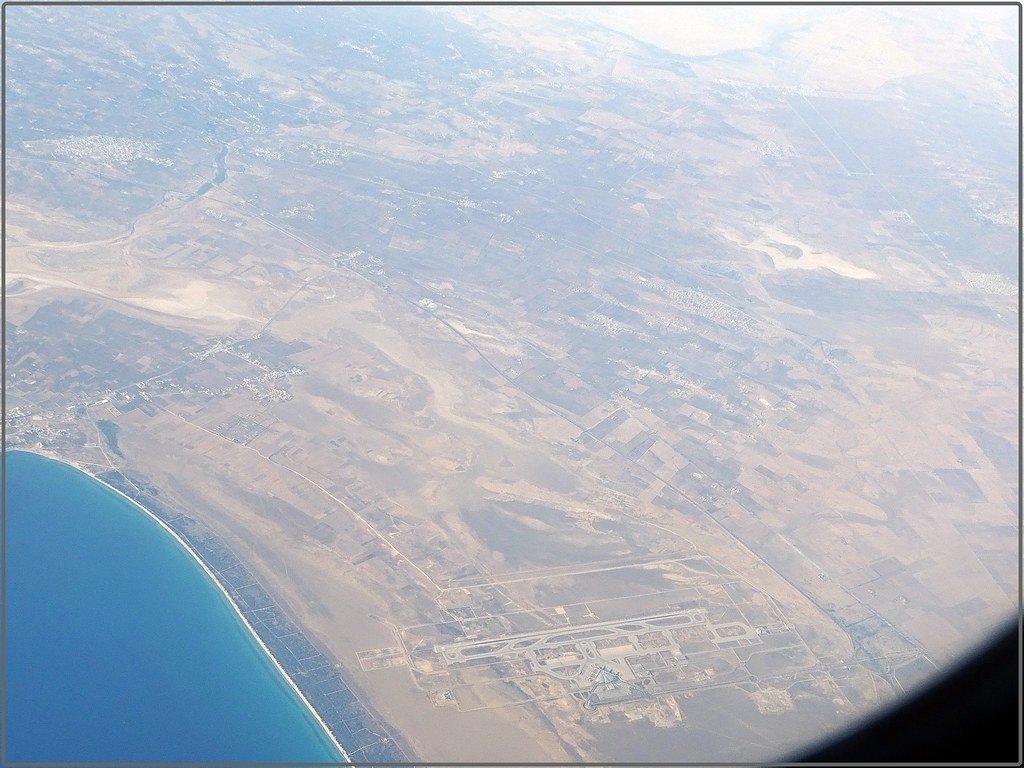
The nearest airport is Tunis-Carthage International Airport, about 65 km north of Hammamet. Enfidha-Hammamet International Airport (Monastir) is closer at about 80 km south and handles many charter flights from Europe directly. Most package holiday operators fly into Enfidha.

From Tunis, trains run to Bir Bou Rekba (on the Sfax line), from where a change to the Hammamet local service gives access to the resort. The journey takes about 90 minutes total. Louage taxis from Tunis bus stations are faster (about 1 hour) and more convenient. From Enfidha airport, taxis or organised transfers to Hammamet take about 45 minutes.

Guide

Shopping

The Medina is the obvious place to shop for ceramics, leather, carpets, and brass goods. The lanes inside the fortified gate are lined with workshops where craftspeople produce pottery and weaving — less tourist-oriented than equivalent medinas in Tunis or Sousse, and prices are more reasonable. Expect to haggle for everything except food; opening prices can be three to four times what the seller will accept.

The Friday market on the main street near the Grand Mosque sells a mix of local goods, produce, and textiles. For ceramics specifically, a half-day trip to Nabeul (20 km) is worth it — Nabeul is Tunisia's ceramic capital and has a wider range at better prices than anything in Hammamet.

Guide

Things to Do

Hammamet rewards a little effort beyond the hotel pool. The Medina is the most rewarding part of town for walking: enter through the fortified gate, follow the lanes to the kasbah for views over the sea and the old town, and browse the pottery and craft workshops on the way back out. Dar Sebastian — the extraordinary villa of an early 20th-century Romanian millionaire — is the most distinctive cultural stop, set in a garden that mixes Andalusian, Roman, and Islamic motifs.

The Roman site of Pupput, 3 km from the centre, has well-preserved mosaic floors and baths from a prosperous 2nd-century town. The morning fish market near the harbour is worth an early start to watch the catch come in. Traditional hammams operate in the Medina for those wanting to do as the locals do.