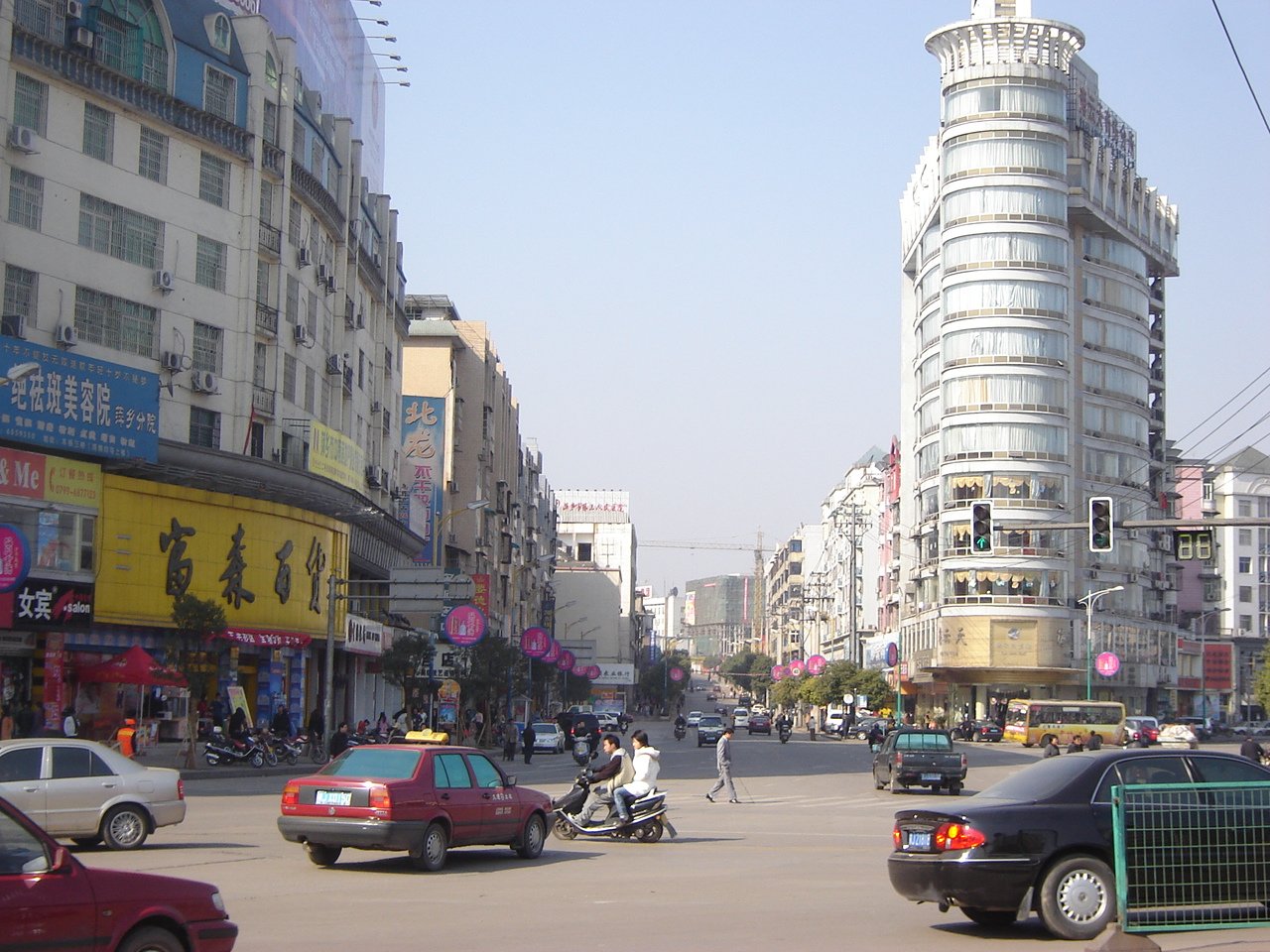
Pingxiang sits at the western edge of Jiangxi, bordered by Hunan province and shaped by a coal-mining and industrial history that it is actively trying to reframe. The city's most significant natural attraction lies outside the urban center: Wugongshan National Geopark, an elevated ridge of grass-covered peaks rising above the clouds, offers some of the best high-altitude camping in the province. The meadow landscapes at the summit are genuinely unusual for this part of China — broad, windswept grasslands dotted with ancient Taoist altar sites, the combination of stonework and open highland scenery unlike anything else in Jiangxi.
The city also carries early Chinese Communist Party history. The Anyuan Coal Mine Museum and Anyuan Workers' Club commemorate the 1920s labor organizing co-organized by Mao Zedong and Liu Shaoqi, which is associated with one of the most famous propaganda paintings in Chinese art — a rendering of young Mao striding toward the mines, replicated in hundreds of millions of prints during the Cultural Revolution. The memorial museum tells the story of the labor movement with unusual specificity about its industrial history.
Minimal English is spoken in Pingxiang, which makes independent navigation challenging but also ensures that tourist infrastructure has not smoothed away the city's authentic character. High-speed trains connect to both Nanchang and Changsha, so Pingxiang works well as a stop between Jiangxi and Hunan. Wugongshan is best reached by bus or hired car from the city center; the drive takes about 1.5 to 2 hours.