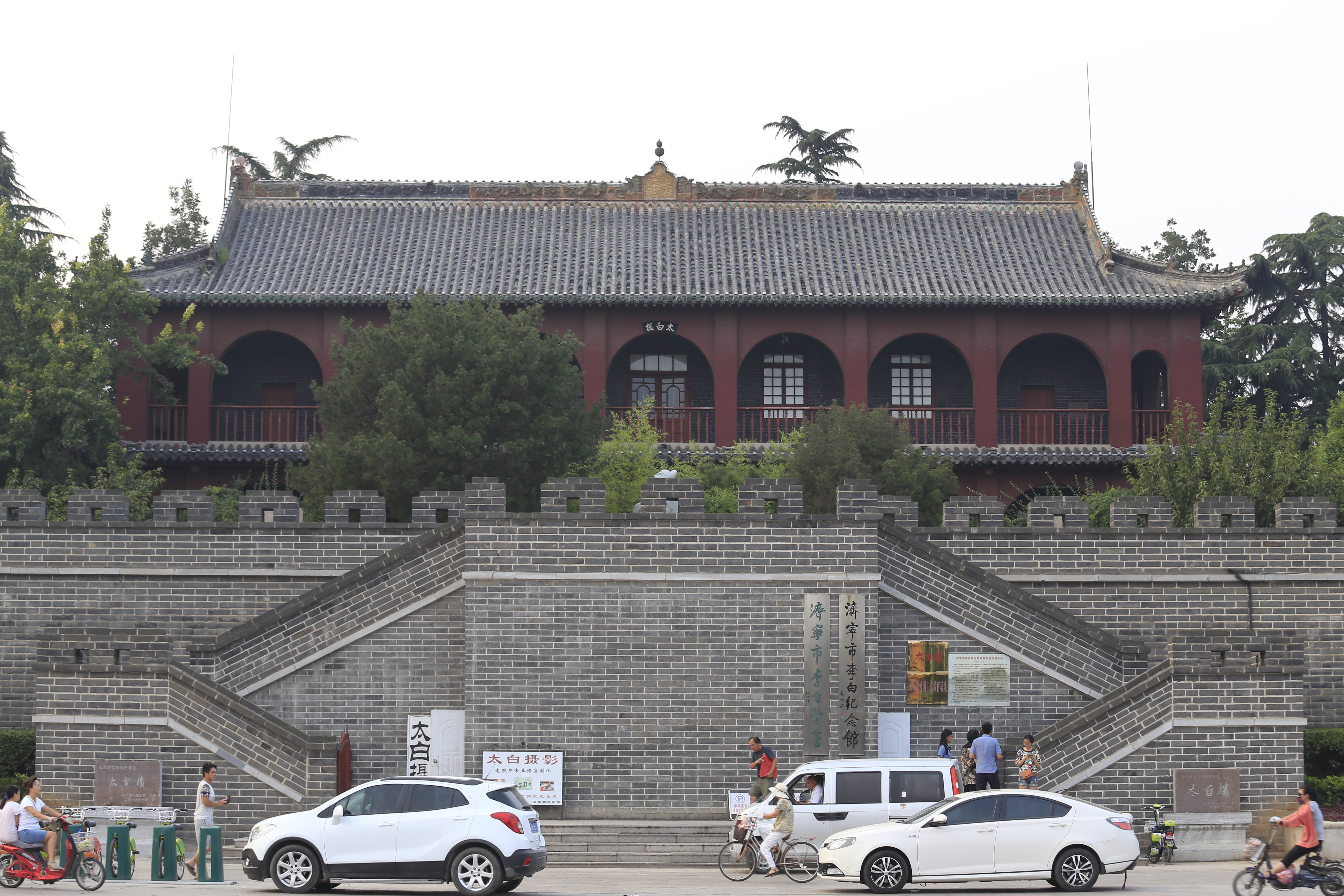
Jining occupies the southwestern corner of Shandong, sitting astride the Grand Canal at the point where it begins its descent through Shandong toward the Yangtze. For centuries the city was one of the great canal entrepôts, growing wealthy on the grain, silk, and salt that moved north and south through its locks, and the poet Li Bai spent two years here in the 730s — there is a tower in his memory in the canal district. The canal heritage is less visible now than in the restored stretches to the south, but the canal front walking district has been thoughtfully restored and the working locks are still in operation nearby.
The more obvious draw is that Jining prefecture contains Qufu, the hometown of Confucius — administratively separate, but effectively the reason most visitors come to this corner of Shandong. Zoucheng, the birthplace of Mencius, Confucius's most important intellectual successor, is also within the prefecture; the Mencius Temple there is far less visited than Qufu and correspondingly more atmospheric. The Weishan Lake wetlands in the south of the prefecture offer lotus flowers, waterbirds, and the landscapes that inspired the classic novel Water Margin.
Jining itself has a Confucius Temple of its own and the Iron Pagoda, a Song Dynasty structure whose glazed dark bricks gave it the appearance of cast iron. The practical appeal is its rail connections: the high-speed line puts Beijing two and a half hours away, and the city serves as a logical overnight base for travelers covering both Qufu and the canal heritage sites of southern Shandong.