Shiraz is Iran's city of poets, roses, and wine — the wine long gone, the roses and poetry very much intact. At 1,600 metres on a fertile plain ringed by mountains, the climate is unusually kind: mild winters, warm but not brutal summers, and air that carries the scent of orange blossom in spring.
The city's claim on the Iranian imagination runs deep. Hafez and Saadi, two of the greatest poets in the Persian language, were born and died here. Their tombs — the Tomb of Hafez and the Tomb of Saadi — draw a steady stream of Iranians who come to sit, recite verses, and lay a hand on the marble. The gardens around both mausoleums are among the nicest places to spend an afternoon in Iran.
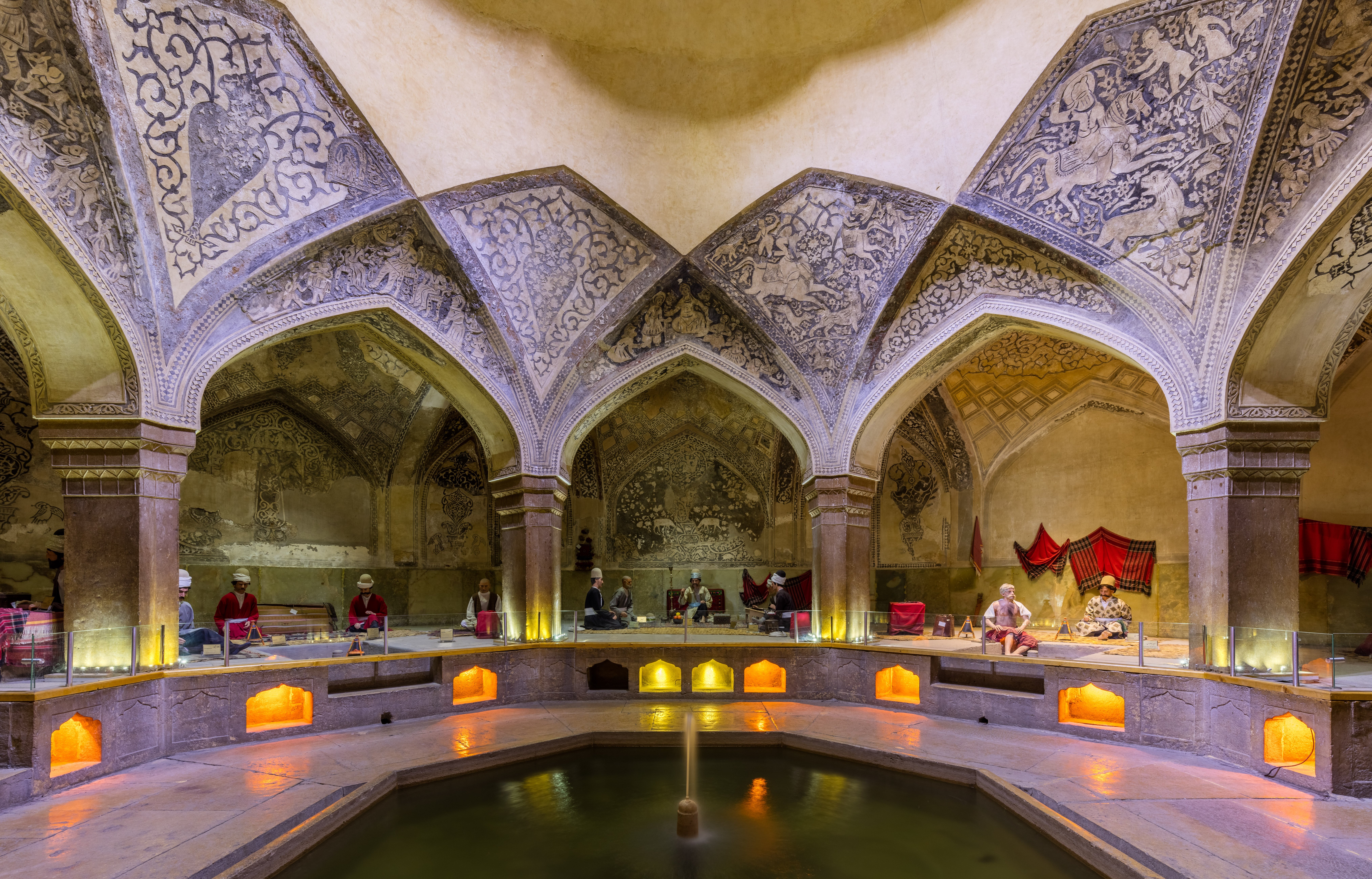
Beyond the tombs, Shiraz rewards slow exploration. The old bazaar — the Bazaar-e Vakil — is a working market, not a tourist trap: vaulted brick corridors selling spices, carpets, copperware, and dried fruit. The nearby Masjed-e Vakil has a forest of twisted stone columns that is one of the more striking interiors in the country, and the adjoining Arg of Karim Khan and Vakil Bathhouse complete the 18th-century Zand-era city centre.
The two great religious sites are the Shah Cheragh, a vast mirrored Shia shrine, and the much-photographed Nasir al-Mulk Mosque — the "Pink Mosque" — whose stained-glass winter prayer hall floods with coloured light at sunrise. The Qajar-era mansions of the Qavam House and Zinat-al-Molk House give a feel for how the merchant class lived in the 19th century, and the Persian gardens — Bagh-e Eram, Bagh-e Jahan Nama, Delgosha, and Afif-Abad — are some of the finest examples of the form anywhere.
Shiraz is also the natural base for visiting Persepolis, the ceremonial capital of the Achaemenid Empire, about 60 kilometres to the northeast. Most travellers spend at least two days here.