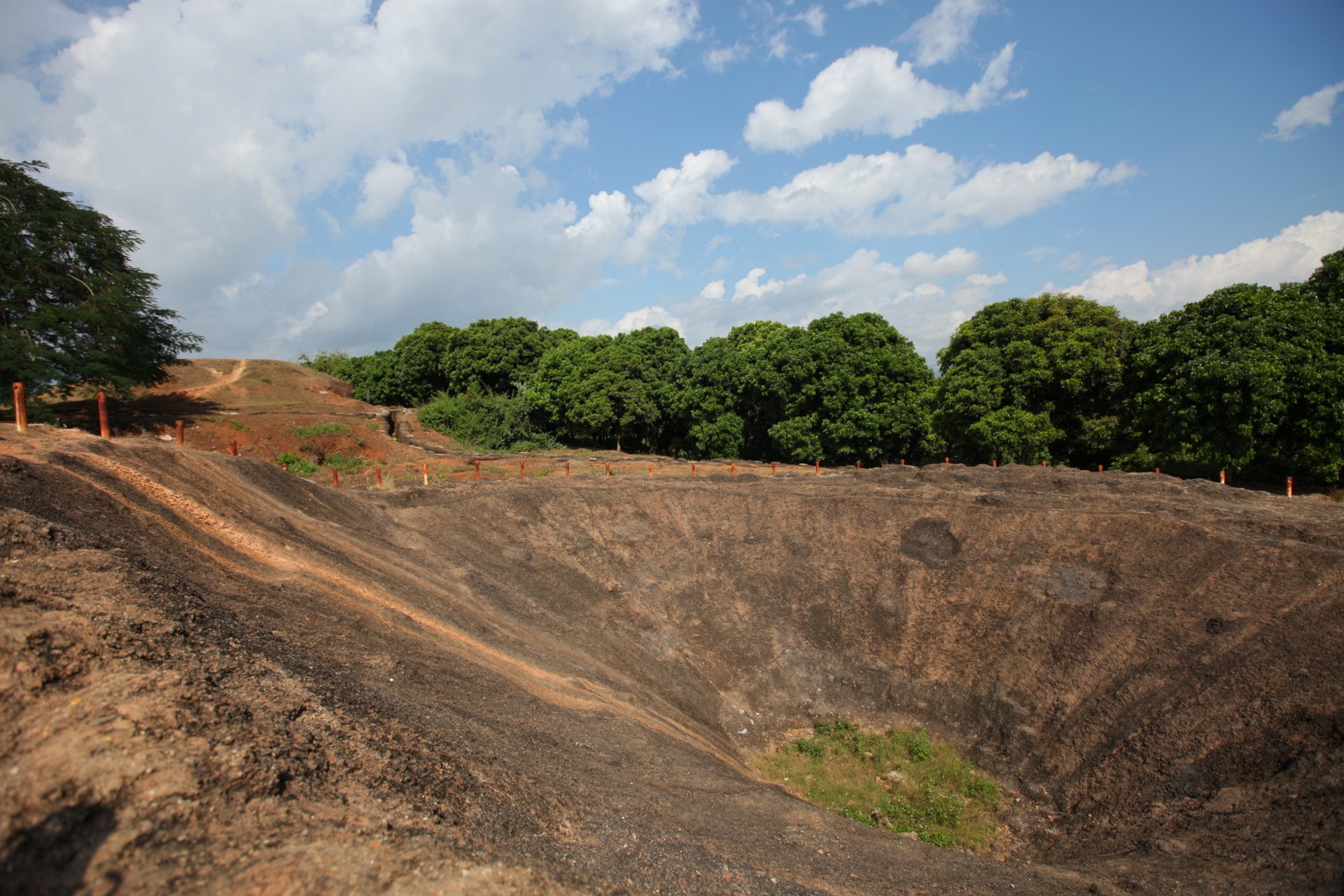
Dien Bien Phu is a small town in the northwest corner of Vietnam, set in a beautiful valley near the Laotian border. It is best known as the site of the decisive battle that ended French colonial rule in Indochina. In May 1954, Vietnamese forces besieged and destroyed the French garrison here — a defeat that led directly to the Geneva Accords and the French withdrawal from Indochina. The valley where the battle took place is still dotted with memorials, preserved fortifications, and the remnants of the French positions.
The valley is surrounded by forested mountains and populated by hill-tribe peoples, most notably the Tai and Hmong. The Dien Bien Phu Museum documents the battle in detail; Hill A1 — where the decisive Viet Minh mine explosion collapsed the final French strongpoint — offers the best view across the battlefield. The De Castries Bunker, a reconstruction of the French command post, is a short walk away.
You can fly from Hanoi to Dien Bien Phu in about an hour. Some travellers ride motorbikes hired in the capital — a spectacular if demanding journey through the mountains via Son La. From here you can continue northwest to the Laotian border, or loop back south toward Sapa via the scenic Muong Lay route.