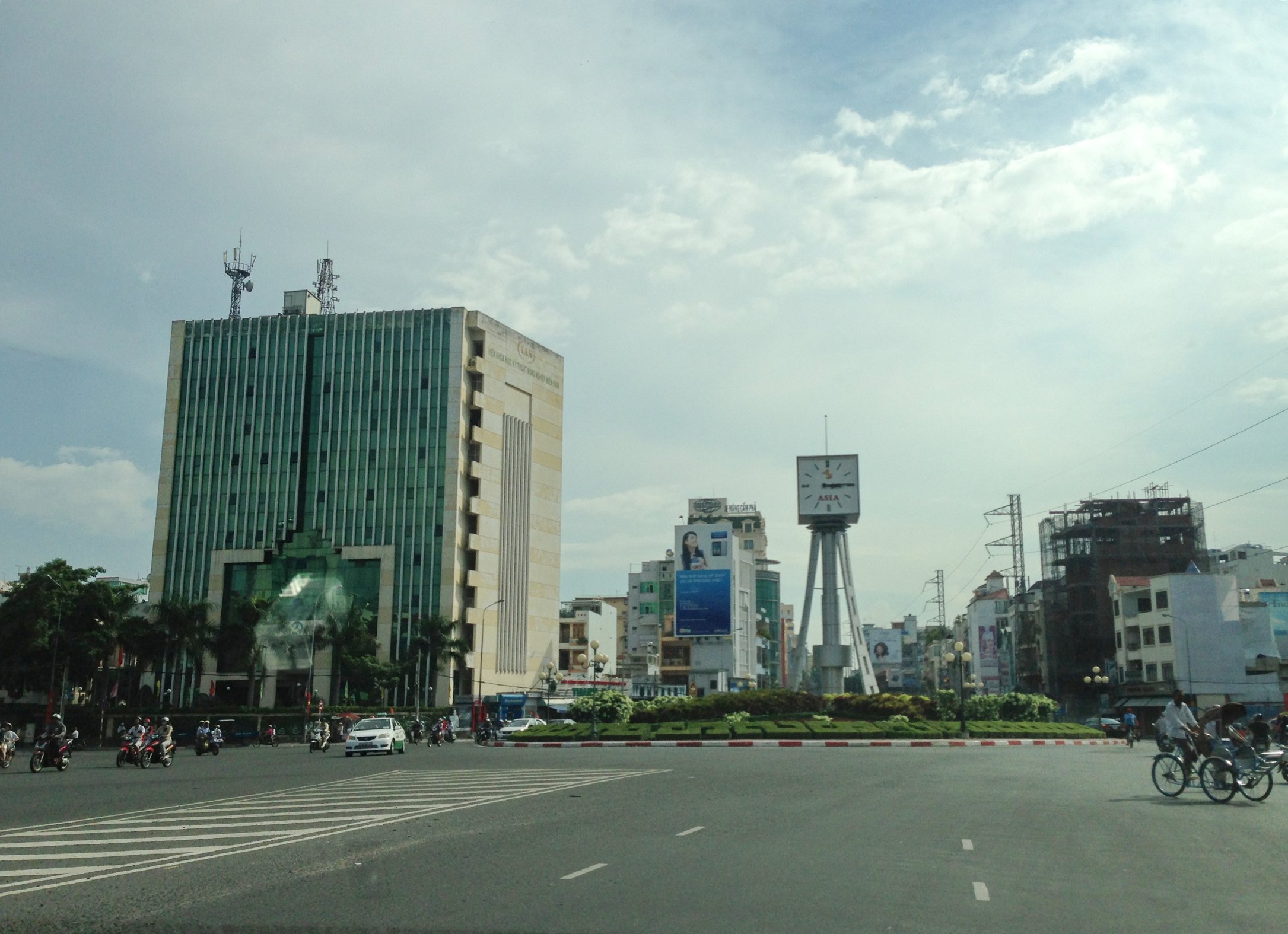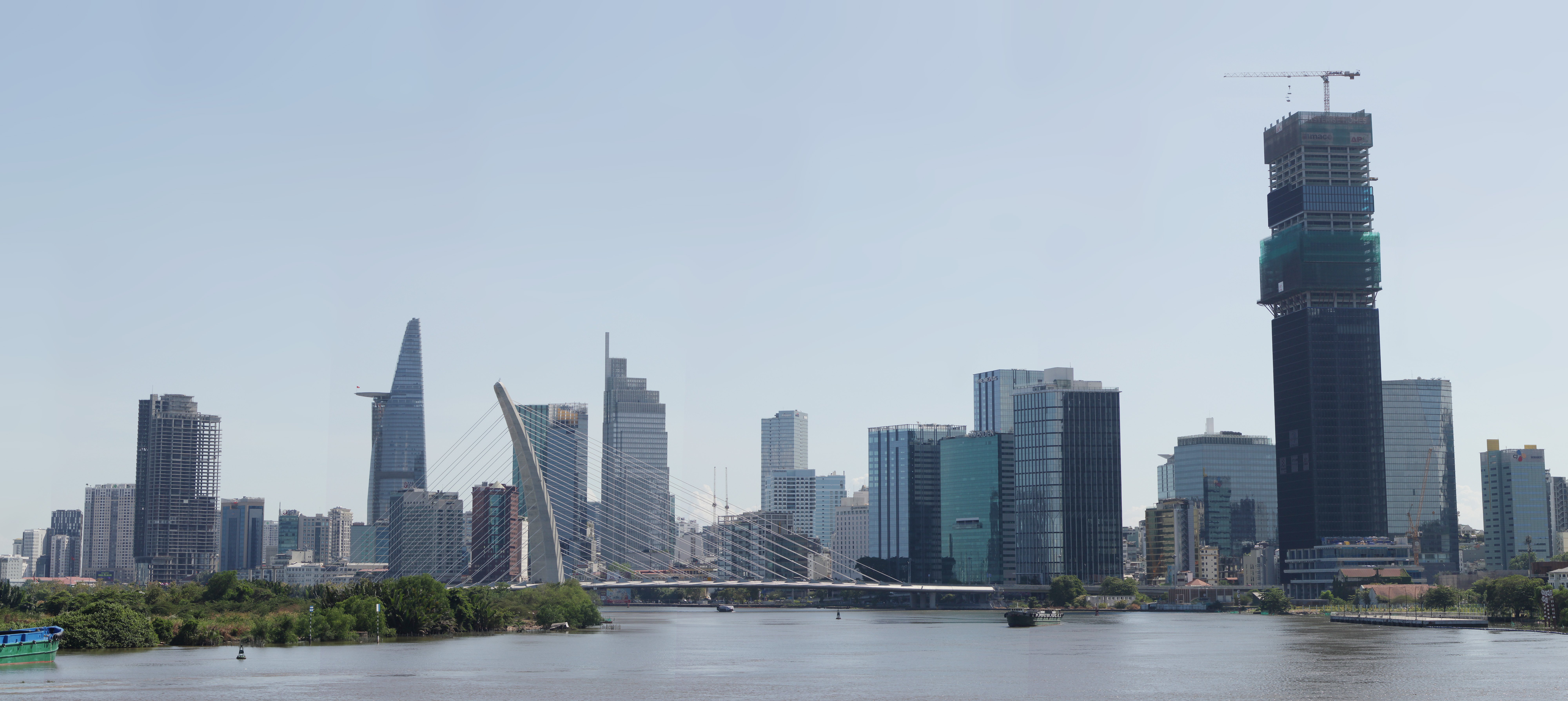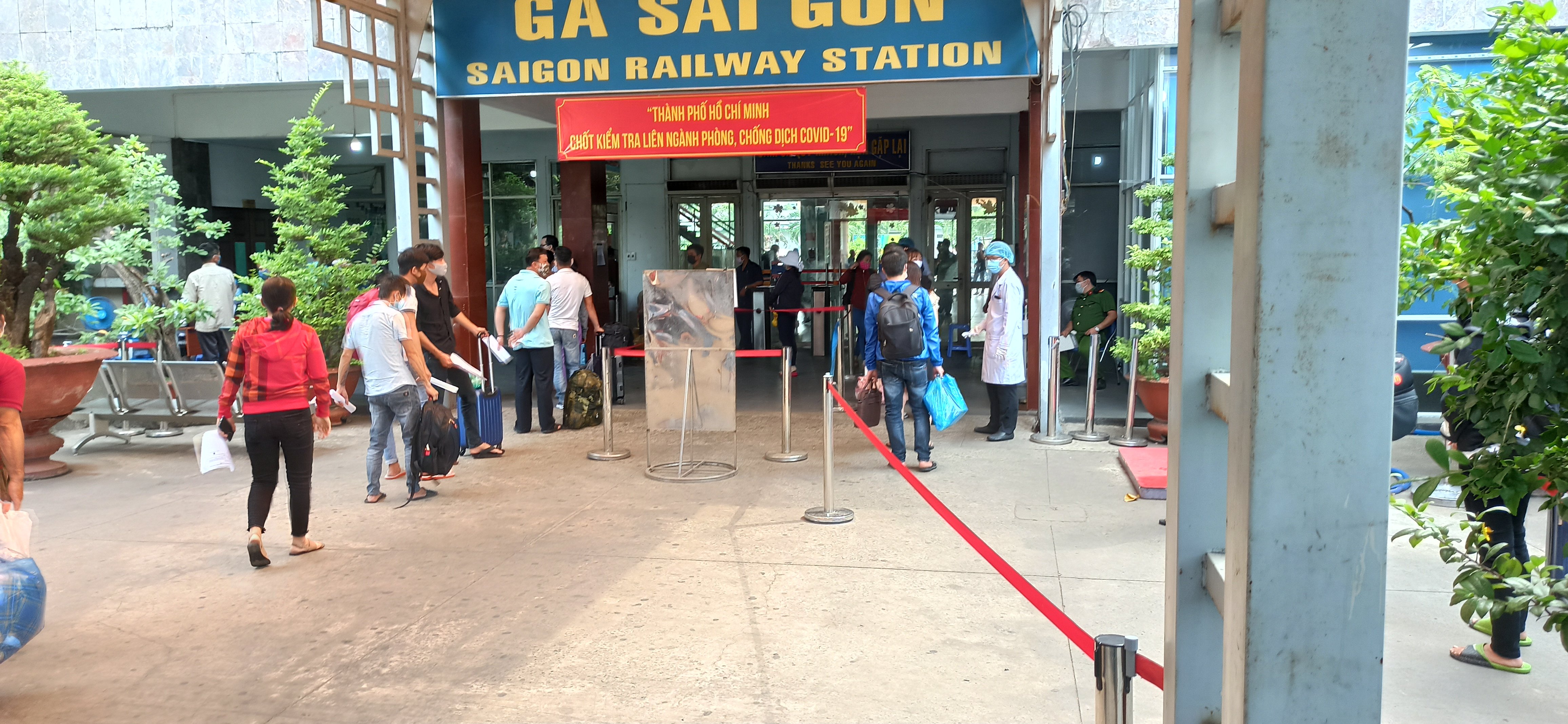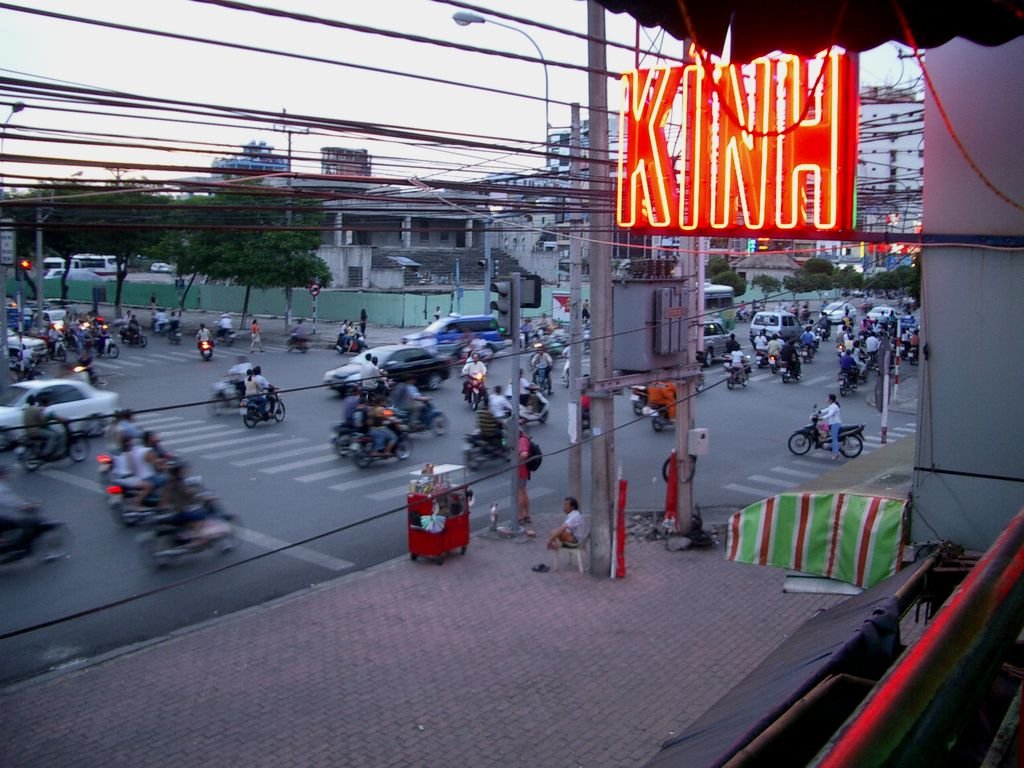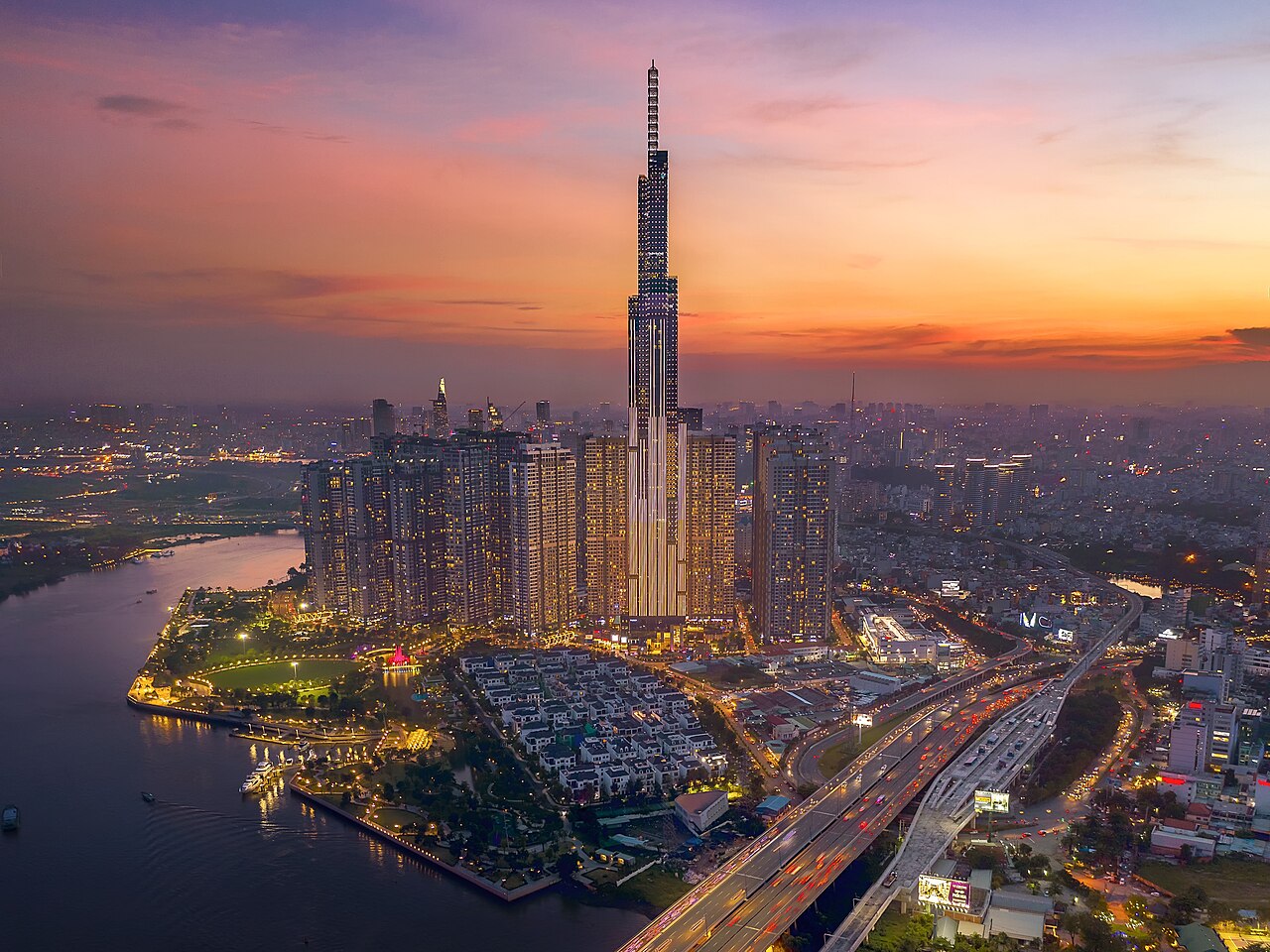
Ho Chi Minh City — still called Saigon by almost everyone who lives there — is the commercial heart of Vietnam. It is louder, hotter, and more chaotic than the capital Hanoi a thousand kilometres to the north, and that is most of its appeal. Ten million people, an ocean of motorbikes (crossing the street is genuinely a learned skill), and a rate of economic change that has rebuilt whole districts in the last decade while leaving French-colonial arcades, Chinese pagodas, and war-era buildings still standing in between.
District 1 — the old French quarter — is where most visitors base themselves. The landmarks here cluster: the twin-spired red-brick Notre-Dame Cathedral (built 1863, using stone imported from Marseille), the Central Post Office next door (designed by the Eiffel firm), the still-functioning Municipal Opera House, and the 1880 Hôtel de Ville (City Hall) at the top of Nguyen Hue walking street. A few blocks north, the War Remnants Museum is unflinching and worth at least a couple of hours — the official Vietnamese account of the American War, with captured aircraft in the courtyard and a floor of harrowing photography inside.
The Reunification Palace, where a North Vietnamese tank crashed through the gates on 30 April 1975 to end the war, is kept exactly as it was that morning — a frozen fragment of 1970s presidential life.
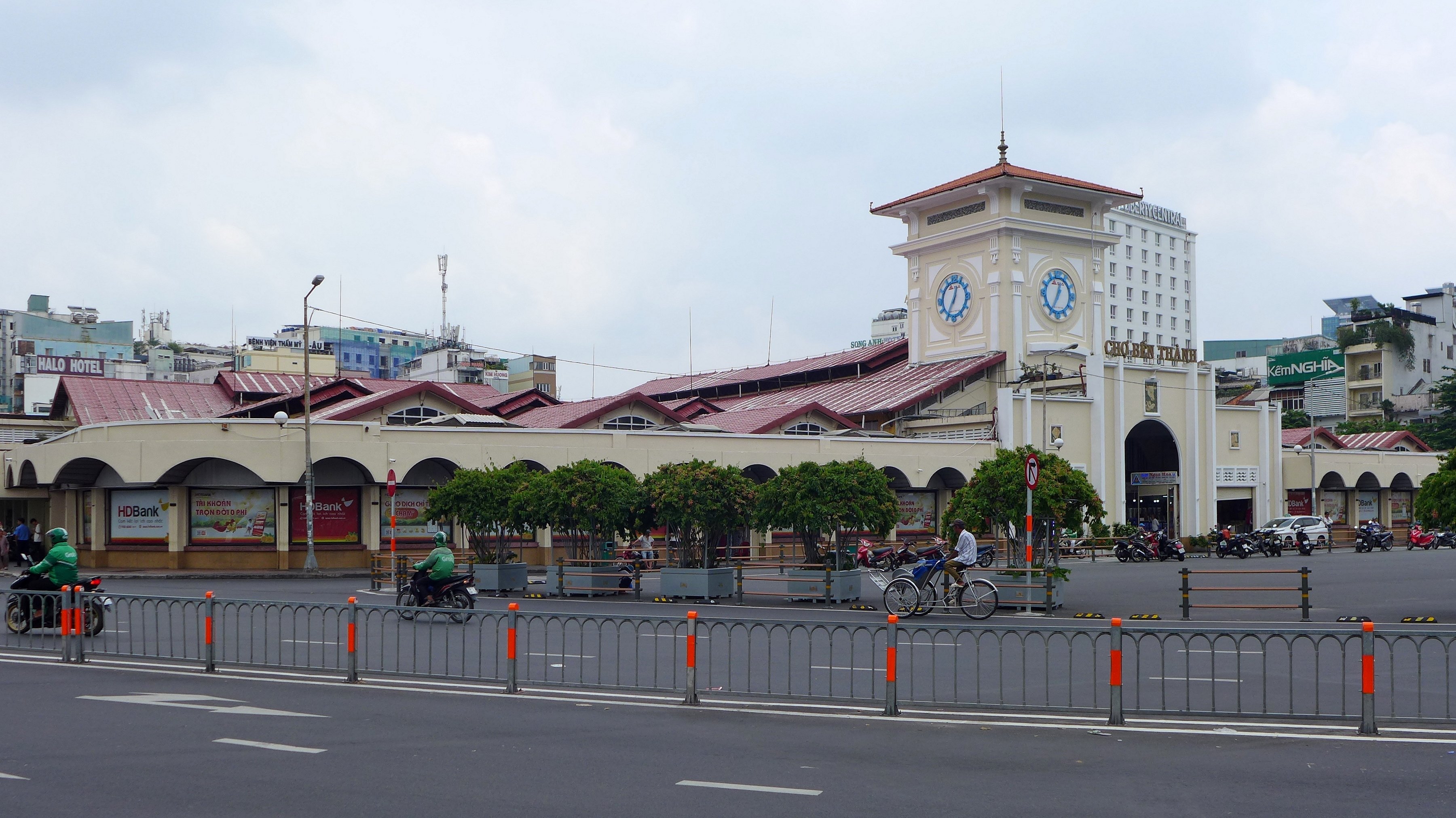
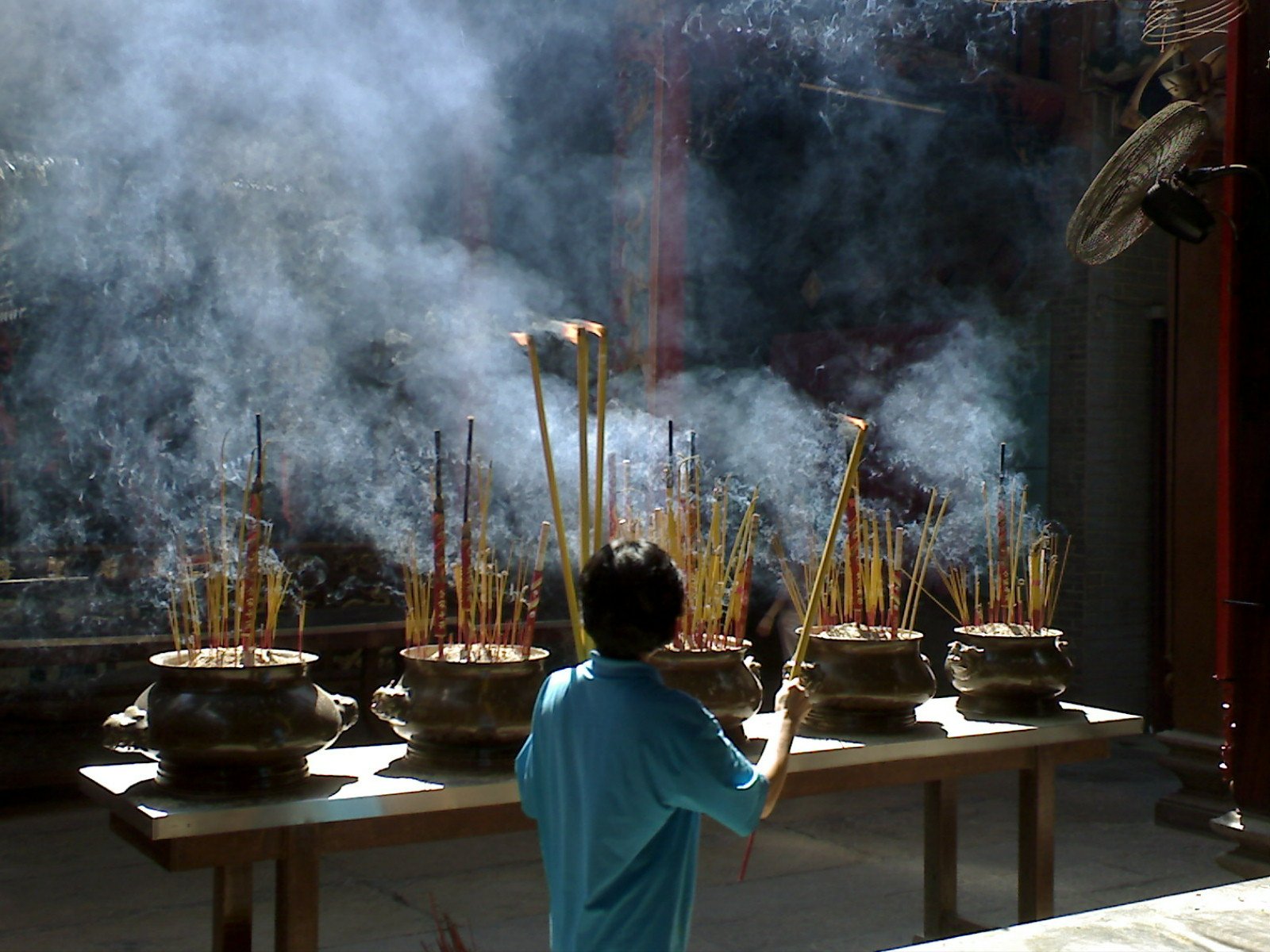
Markets are the other essential Saigon experience. Bến Thành Market in District 1 is the famous one; Binh Tay Market across the canal in Chinatown (Cholon, District 5) is bigger, less touristy, and better for watching wholesale Vietnam in action. Cholon itself rewards wandering — Chinese temples, herbalists, and dumpling shops packed along its main streets. The Jade Emperor Pagoda and the Giac Lam Pagoda are two of the most atmospheric temples in the city.
Vietnamese food is at its most diverse and democratic here. Street-stall phở, bún bò Huế, bánh mì, and cơm tấm (broken rice with grilled pork) are available on every corner. Bui Vien backpacker strip are the evening places to eat and drink; beer gardens serve cold Bia Saigon for a few thousand dong per glass. For serious dining, Ănăn Saigon is the city's first Michelin-starred restaurant.
For day trips, the Cu Chi Tunnels (the Viet Cong underground network used during the war) are an hour northwest; Tay Ninh and its bright, multi-faith Cao Dai temple are a couple of hours further; the Mekong Delta cities of My Tho and Can Tho are easy overnight trips.
December to April is the dry season and the best time to visit. May to October brings daily downpours that clear quickly but flood the streets briefly.