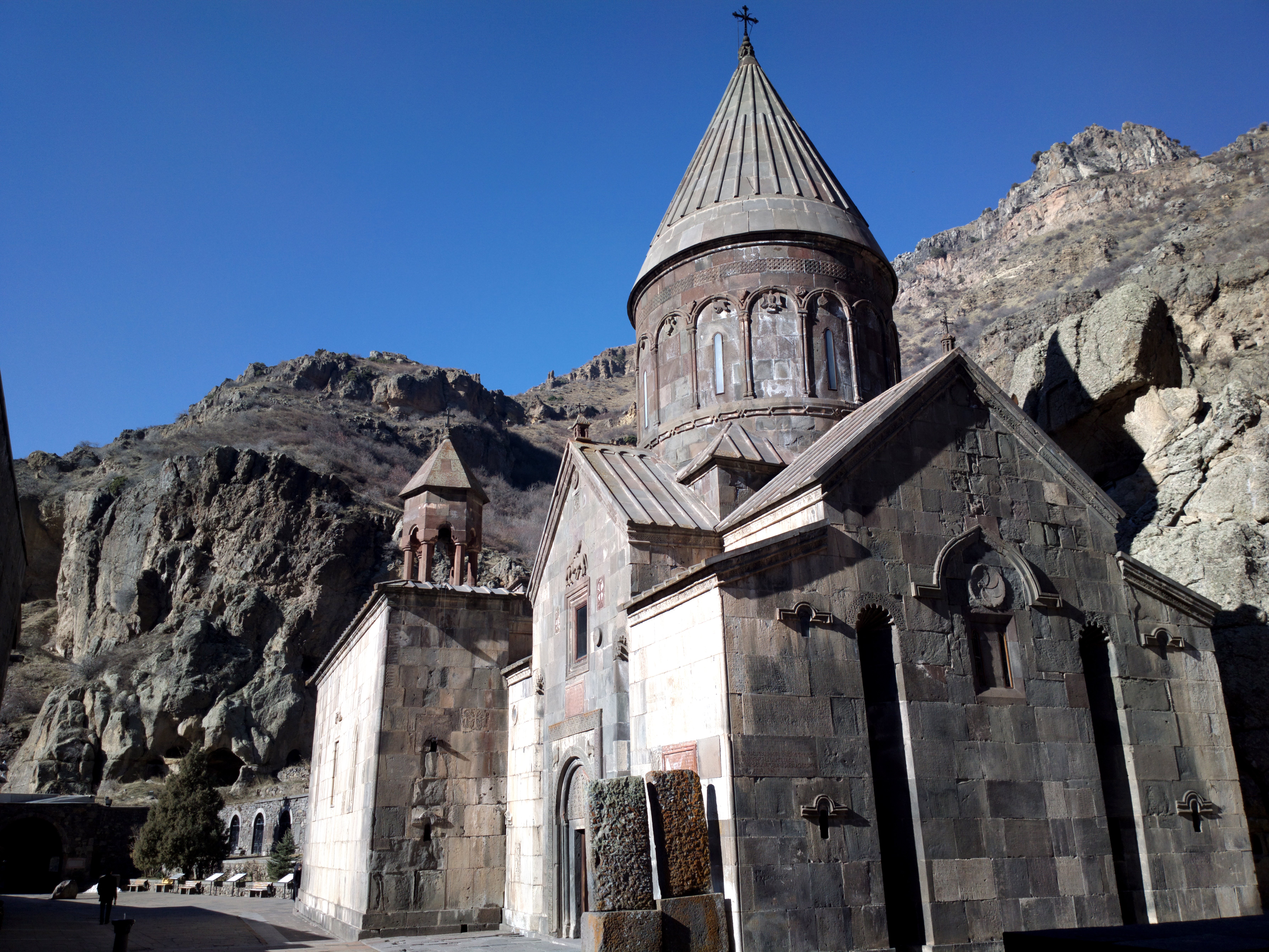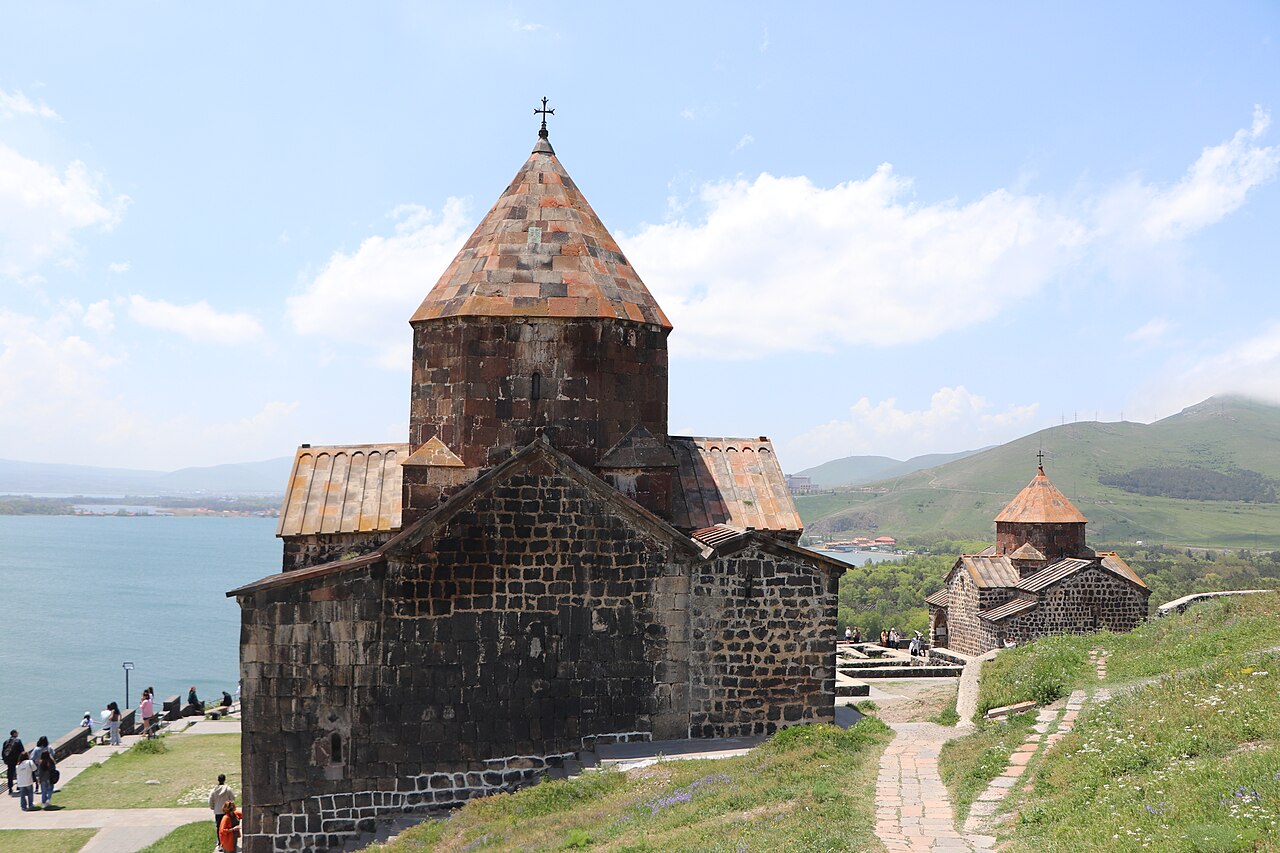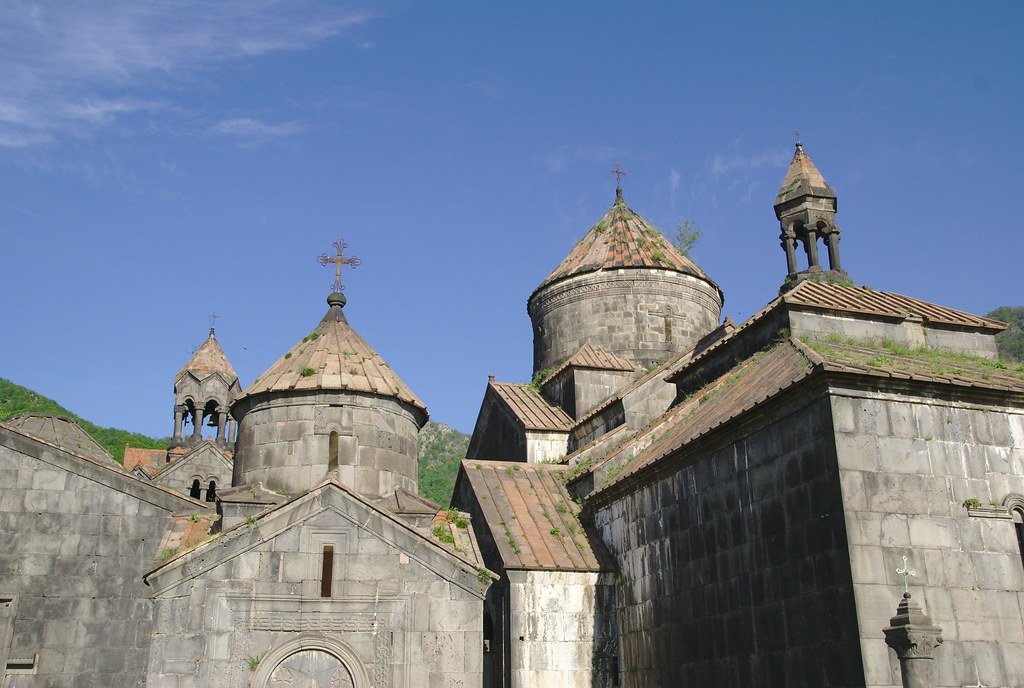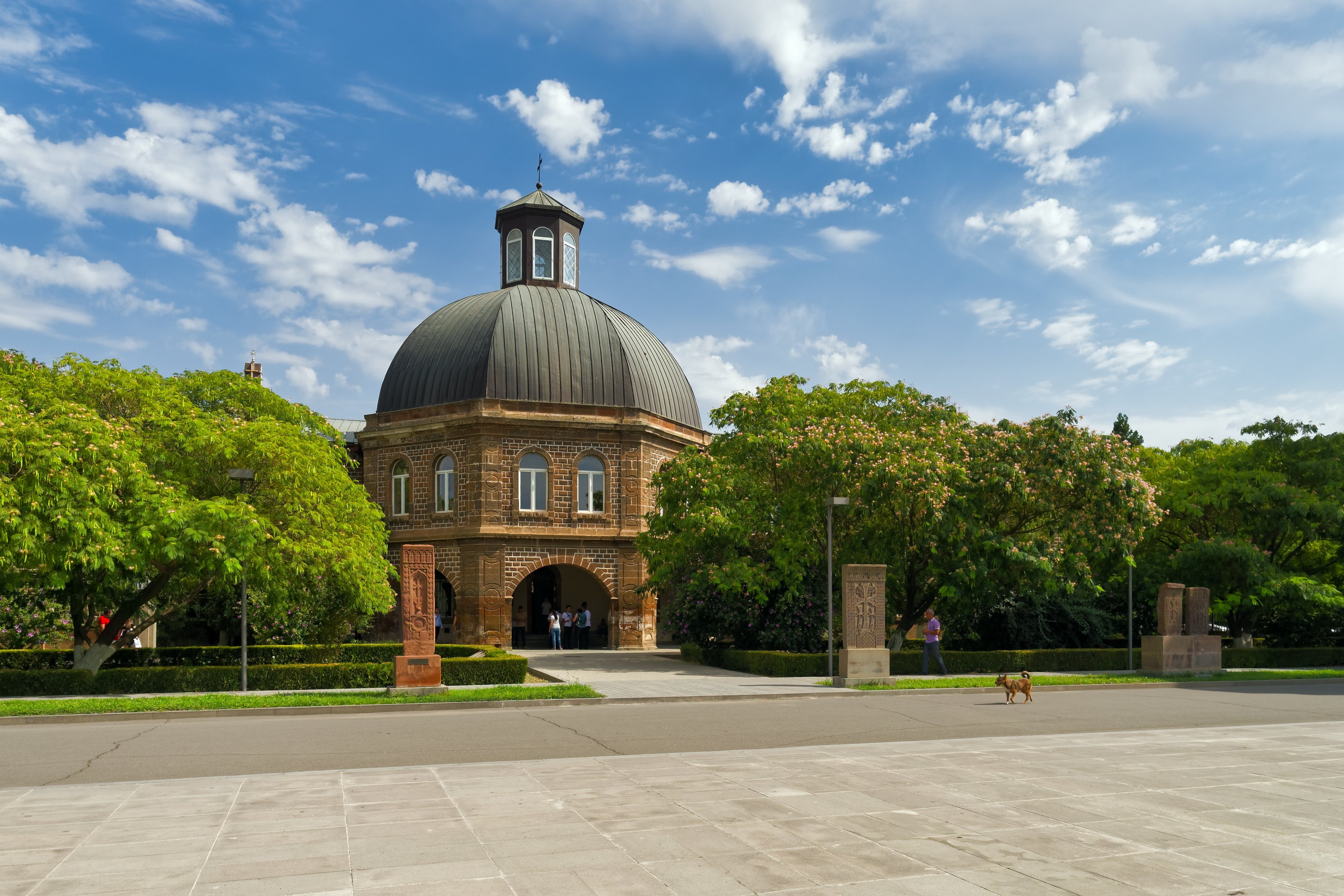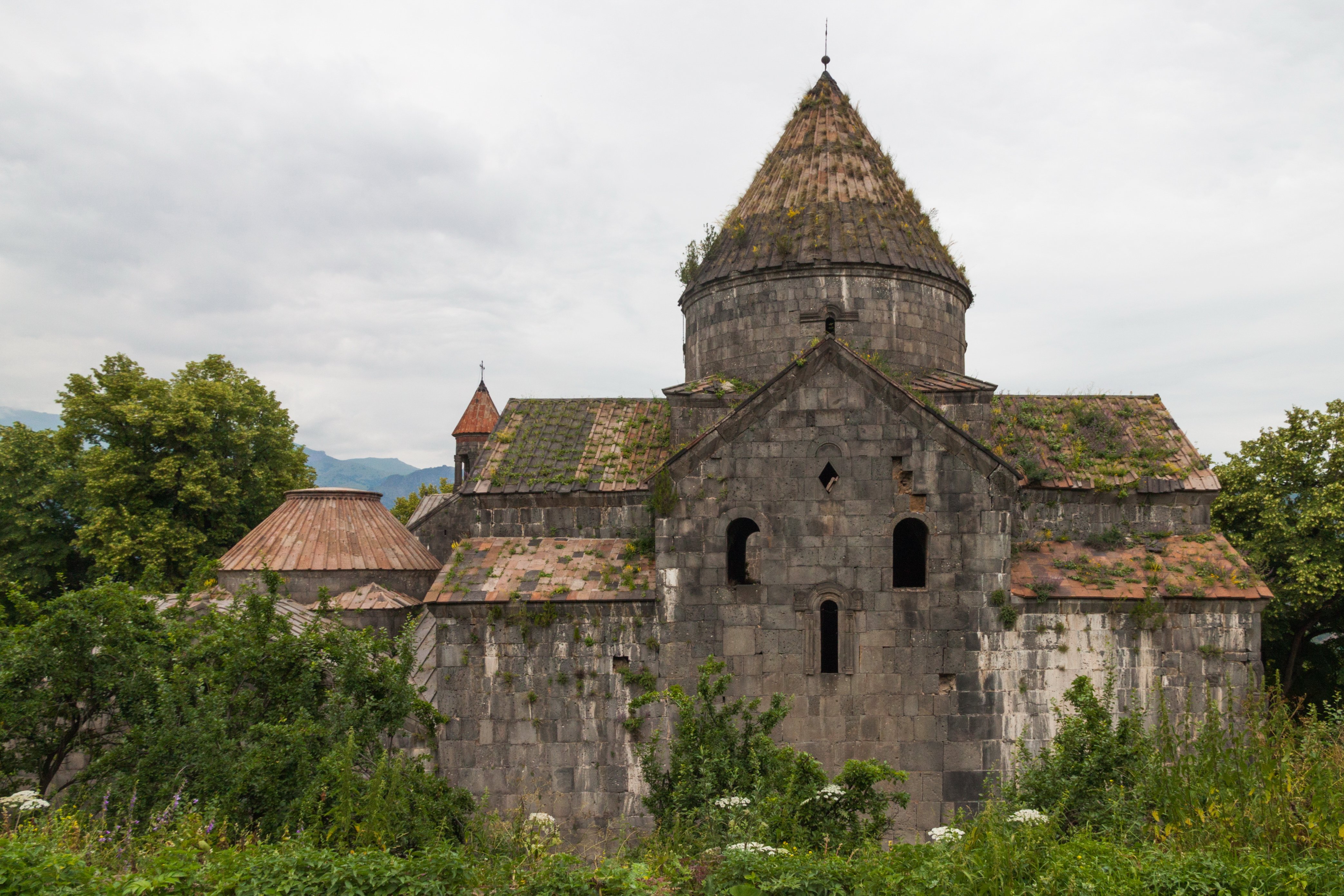
Armenia is one of the oldest Christian nations on earth, a small landlocked country in the South Caucasus wedged between Turkey, Georgia, Azerbaijan, and Iran. It is compact — you can cross the whole country in a few hours — but remarkably dense with ancient monasteries, Roman-era temples, medieval fortresses, volcanic mountains, and one of the largest alpine lakes in the world.
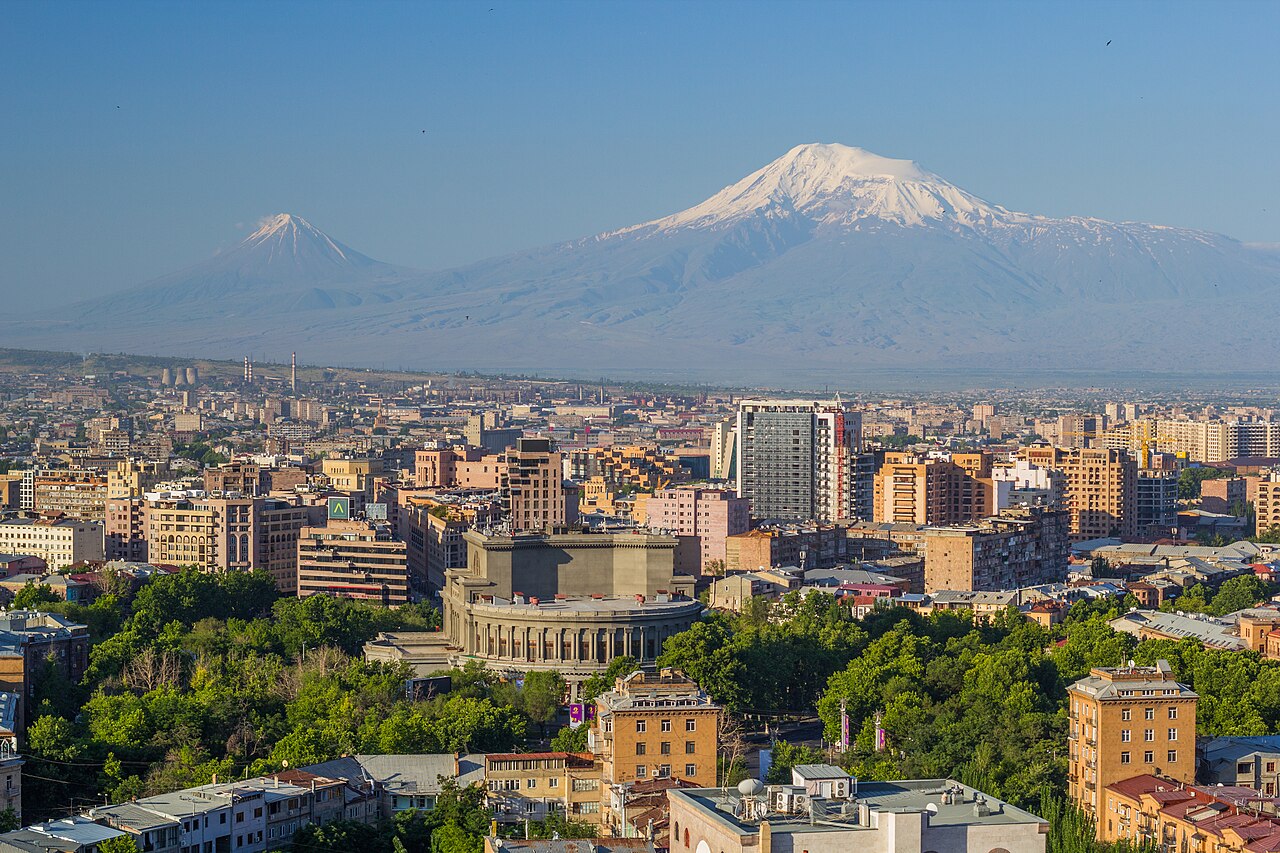
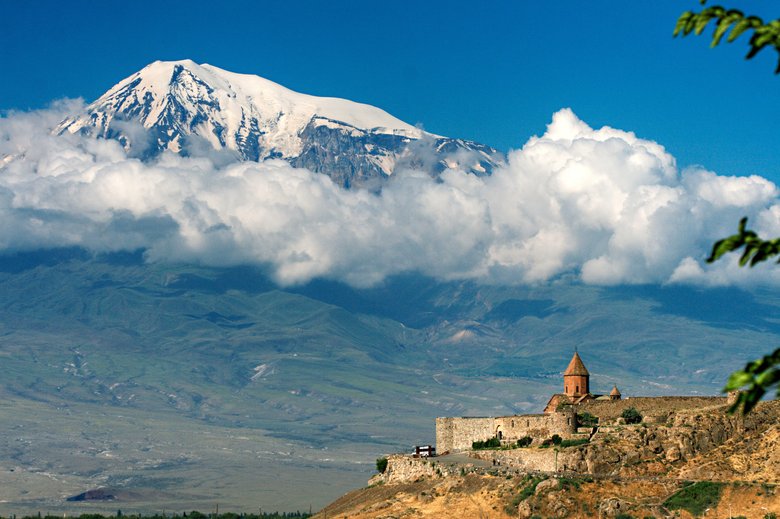
Yerevan, the capital, is the obvious base. It is a pleasant, walkable city with good food, lively café culture, and easy access to the country's most-visited sites. Within an hour or two you can reach the Hellenistic temple at Garni, the rock-carved monastery of Geghard, the holy see at Echmiadzin, and the monastery of Khor Virap at the foot of Mount Ararat.
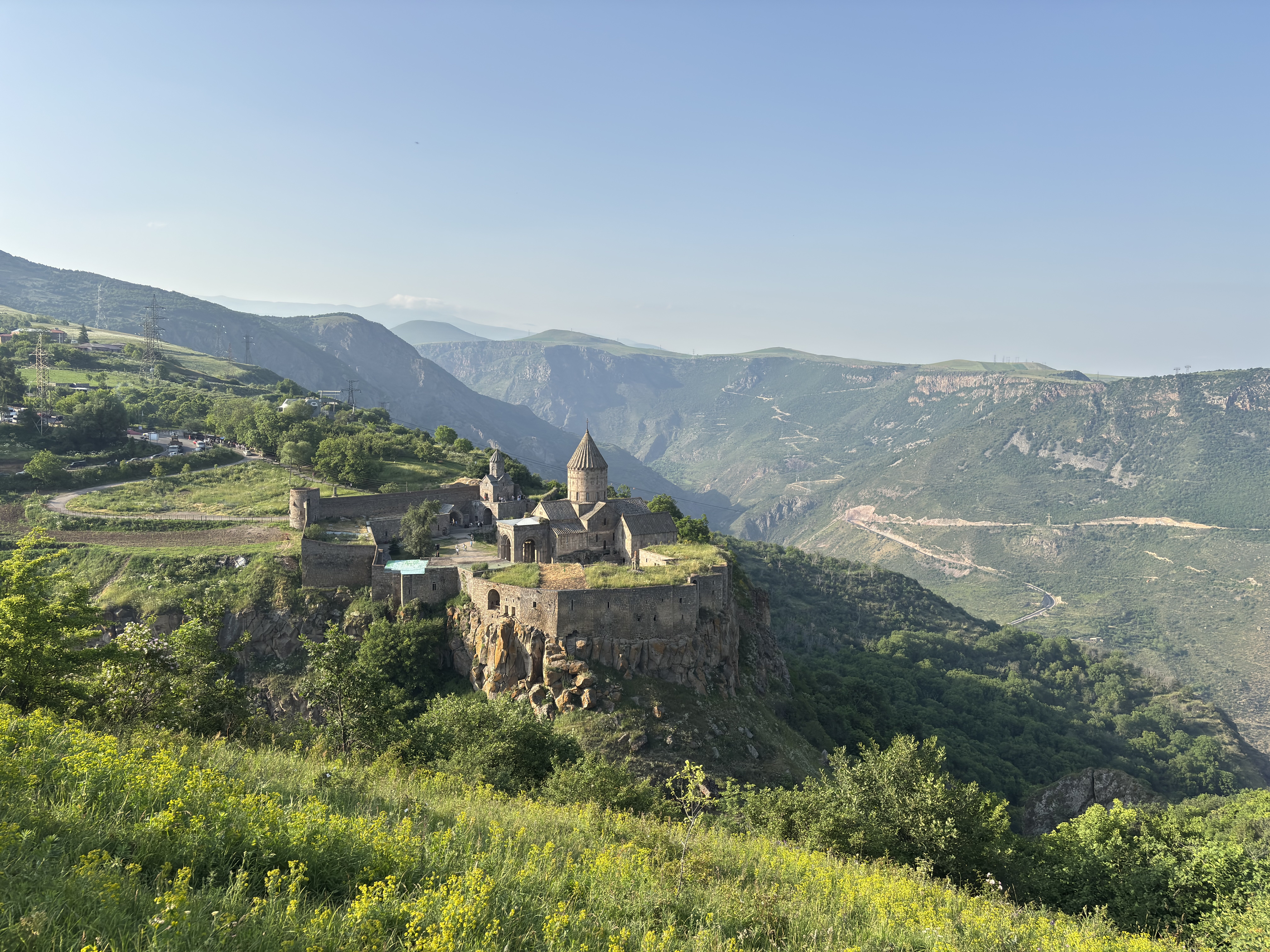
Beyond the day-trip circuit, the north offers deep gorges, dense forests, and a string of UNESCO-listed monasteries in the Debed canyon near Alaverdi. To the east, Lake Sevan sits at 2,000 metres and is dotted with beaches and monasteries. The south, Syunik province, feels remote and dramatic — petroglyphs, the cable-car-accessed Tatev Monastery, and a land border with Iran.
Armenia has absorbed a painful recent shock. In September 2023, following a nine-month blockade and a swift military offensive by Azerbaijan, the entire ethnic Armenian population of Nagorno-Karabakh — over 100,000 people — fled to Armenia within days. The enclave, historically known to Armenians as Artsakh, is now fully under Azerbaijani control. This is a raw subject and one that weighs on the country. The old route from Goris through the Lachin corridor to Stepanakert is no longer accessible to travellers.
Despite this, Armenia itself is safe and very welcoming to visitors. Tourism has been growing steadily, and Yerevan in particular has developed a genuinely good food and drink scene. The country rewards slow travel.