Samobor
©
Samobor

Samobor

Small town west of Zagreb, known for its pastel square, kremšnita, and hilltop castle ruins.

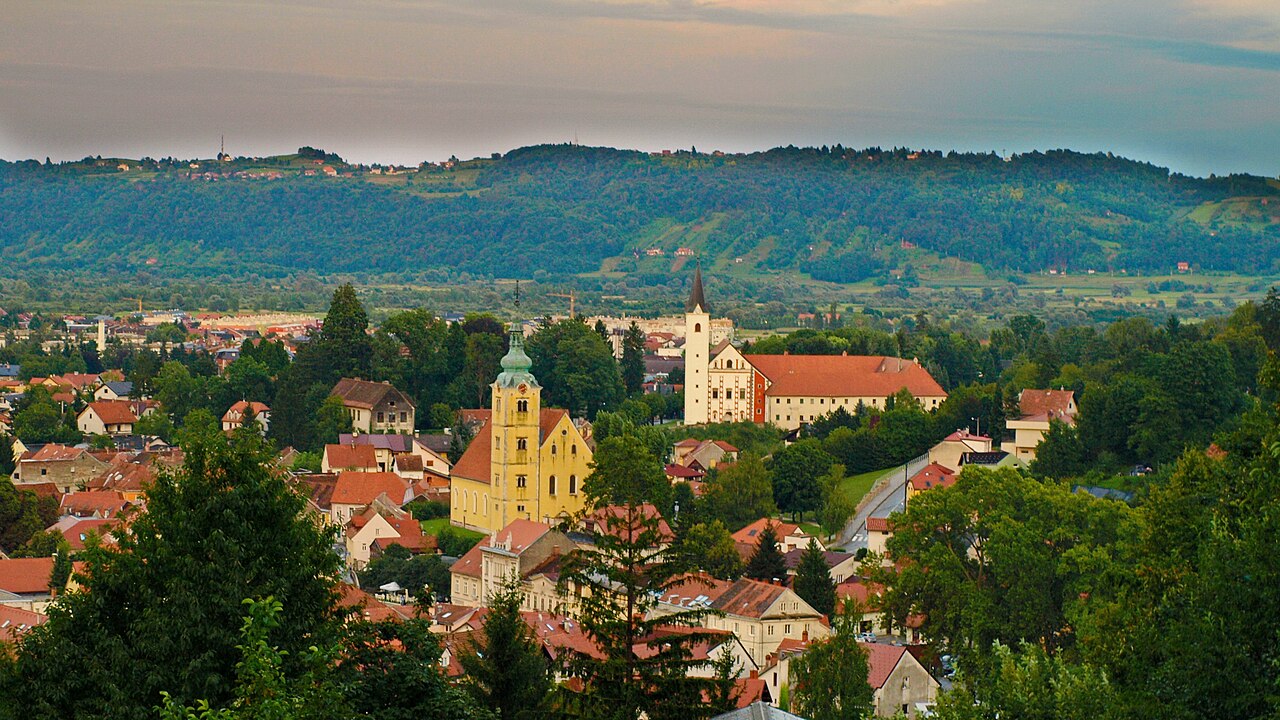
Samobor is a pretty little town about 25 minutes west of Zagreb, right on the edge of the Žumberak hills near the Slovenian border. It makes an easy half-day trip from the capital and is where Zagrebčani go for a Sunday stroll and cake.

The town centres on a pleasant square lined with pastel-coloured buildings and traditional cake shops — kremšnita, a custard cream slice, is the local speciality and you should not leave without trying one. From the square, a path climbs through forest past a small chapel to the ruins of a 13th-century castle on the hilltop above, with views over the town and surrounding hills. The Samobor Museum on the main square covers local history and is worth a look.

The Žumberak-Samoborsko Gorje Nature Park begins just outside town, offering easy hiking through forested hills and meadows.

Guide

Bars and Cafés

Samobor has a pleasant café culture centred on the main square. The town is at its liveliest on Sunday mornings when the outdoor terraces fill with day-trippers and locals doing their weekly promenade. Evenings are quiet — this is not a nightlife destination — but a drink on the square after the day-trippers have gone has its own appeal.

Guide

Books

Croatia by Piers Letcher (Bradt Travel Guide) — one of the more thorough English-language guides to Croatia, covering history, culture, and practical travel including the Zagreb region and day trips like Samobor.

The Rough Guide to Croatia — reliable general guide with good coverage of Zagreb and the surrounding area, including Samobor and the Žumberak hills.

How We Survived Communism and Even Laughed by Slavenka Drakulić — the Zagreb-born writer's sharp, personal essays on everyday life in socialist Croatia and Yugoslavia. Not a guide book but gives real texture to the region and its recent history.

Croatia: Aspects of Art, Architecture and Cultural Heritage edited by Rose Ash and Martina Petranović — a collection of essays on Croatian cultural heritage, useful background for understanding the Habsburg-era towns of the Zagreb region, including Samobor's 19th-century square and the Žumberak border country.

Guide

Day Trips

Zagreb (25 minutes east) — the Croatian capital is the obvious companion to Samobor. Combine a morning in Samobor with an afternoon in Zagreb, or come to Samobor as a day trip from a Zagreb base. The Upper Town, Dolac market, and the city's excellent café culture are all worth your time.

Žumberak-Samoborsko Gorje Nature Park (begins at the town edge) — for a longer half-day or full-day in the hills, push deeper into the park beyond the easy lower trails. Remote villages, hidden chapels, and quiet forest paths reward those with a car and a decent map.

Karlovac (about 50 km south) — a pleasant riverside town built on the confluence of four rivers, with a star-shaped 16th-century fortress layout still visible in the street plan. The old town is compact and walkable, and there is a good open-air "water castle" attraction at the river junction.

Plitvice Lakes National Park (about 2 hours south) — Croatia's most visited attraction and a UNESCO World Heritage Site, with cascading turquoise lakes and waterfalls in a forested canyon. It is too far for a casual half-day, but makes an excellent full-day excursion from Zagreb, often combined with an early-morning stop in Samobor on the way back.

Guide

Eating Out

Samobor is a foodie day-trip destination for Zagrebčani. The town's most famous export is kremšnita — a thick custard cream slice served at multiple cake shops on and around the main square — but there is more to eat than cake. Traditional Croatian restaurants (konobe) around town serve roast lamb, grilled sausages, and hearty regional stews, and Sunday lunch here is a well-established Zagreb-family ritual.

Guide

Getting Around

Samobor town is entirely walkable. Everything worth seeing — the main square, cake shops, museum, and the start of the castle path — is within a few minutes on foot of wherever the bus drops you. The climb to the castle ruins takes 20–30 minutes from the square; the path is clear and easy to follow.

Trailheads for the Žumberak-Samoborsko Gorje Nature Park are within walking distance of the town edge for the lower trails. For deeper exploration of the park — remote valleys, hilltop villages, longer circuits — a car or taxi gives more flexibility, as public transport into the park is limited.

Guide

Getting There

By bus is the standard way to reach Samobor from Zagreb. Buses depart from Zagreb's main bus station (Autobusni Kolodvor, near the train station) every 30–60 minutes throughout the day. The journey takes 30–35 minutes and tickets are very cheap. The bus drops you close to the centre of town.

By car, Samobor is about 25 minutes from central Zagreb via the A3 motorway; take the Samobor exit and follow signs to the centre. Parking is available near the main square.

There is no direct train service to Samobor.

Guide

Things to Do

Samobor rewards a few hours of unhurried exploration. The centrepiece is the main square, Trg kralja Tomislava, ringed with pastel 19th-century buildings and café terraces. From here a forest path climbs to the ruined castle on the hill above, a 20–30 minute walk that gives sweeping views over the town and the Žumberak hills. The Samobor Museum on the square is worth a look for local history and carnival traditions. Just beyond the town edge, the Žumberak-Samoborsko Gorje Nature Park offers easy half-day hikes through forested hills and meadows.

Guide

When to Go

Samobor works as a half-day trip from Zagreb year-round, but some times suit it better than others.

Spring and autumn are the best seasons for hiking in the Žumberak hills — temperatures are mild, the forest is at its most colourful, and the trails are uncrowded on weekdays. Summer brings more day-trippers, especially at weekends, and the square can feel busy in July and August, but the park hikes are still enjoyable in the early morning.

The highlight of the calendar is the Samobor Carnival (Fašnik), held in the weeks before Lent in February or March. One of the oldest and most famous carnival traditions in Croatia, it draws large crowds for masked processions, music, and street food. Book transport and accommodation in advance if you plan to visit during Fašnik.

Winter is quiet but has its own charm — the square is peaceful, kremšnita tastes even better in the cold, and the hills around town get occasional light snow.