Tours sits at the confluence of the Loire and the Cher, the largest city in the valley and a natural base for exploring the chateaux country. The old centre on the south bank of the Loire is compact and largely pedestrian — a tight grid of half-timbered houses, Romanesque and Gothic churches, and lively café terraces that fills with students from the university during term time.
The medieval quarter around Place Plumereau is the hub of street life, with bars and restaurants spilling out under the carved timber facades. From there, Rue Colbert leads east through a corridor of restaurants and antique shops to the cathedral. West of Rue Nationale — the main shopping axis — the streets are quieter but no less handsome, with several good museums tucked among the townhouses, including the Musée des Beaux-Arts in the former Archbishop's Palace and the Musée du Compagnonnage in the cellars of Saint-Julien Abbey.
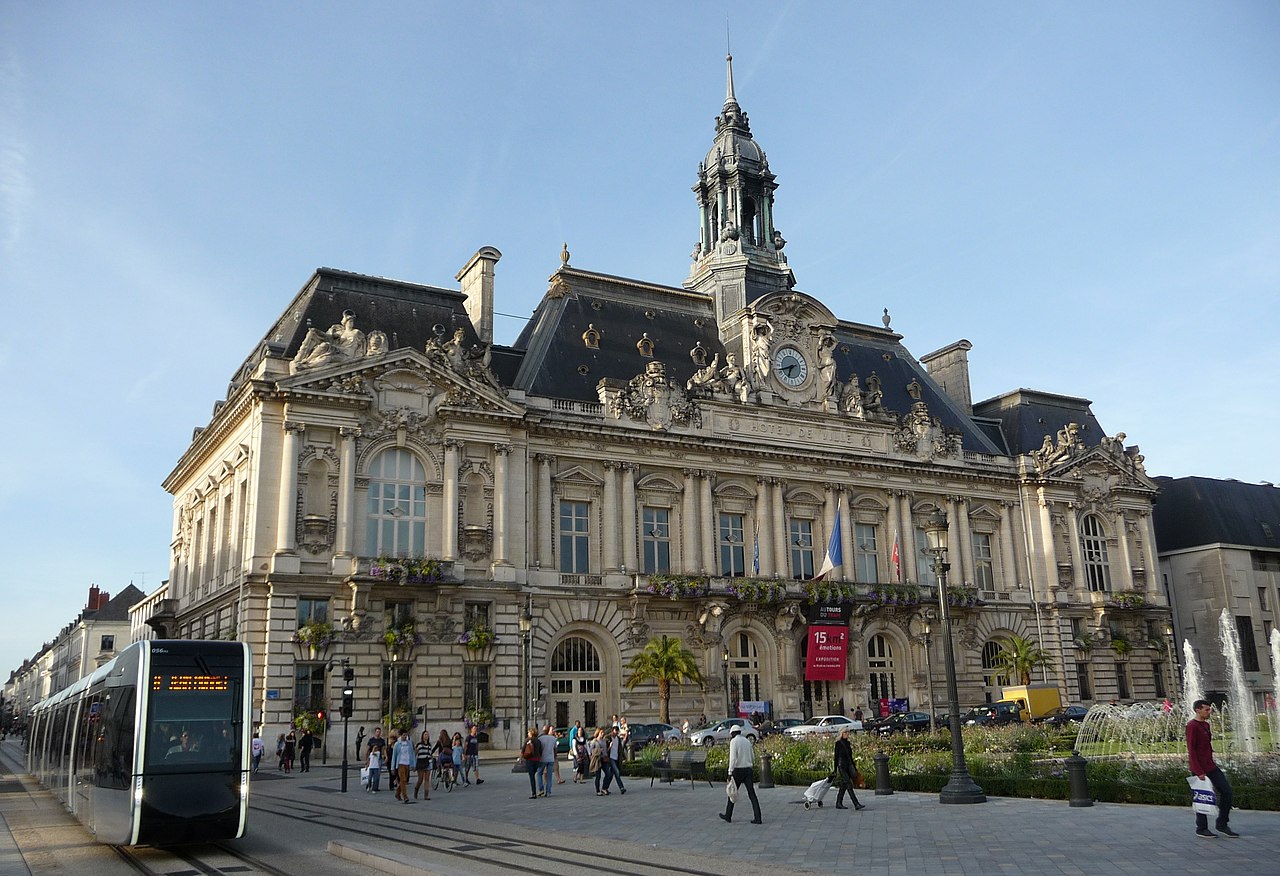
The train station is a monument in itself, a Belle Époque palace by Victor Laloux — who also designed the Hôtel de Ville across the square — that signals Tours's confidence as a regional capital. The Basilica of Saint Martin and the two surviving medieval towers nearby give a sense of the great pilgrimage church that once stood here. Villandry, Chenonceau, and Amboise are all within half an hour, making it easy to see two chateaux in a day and still be back in town for dinner on rue Colbert.