Arnhem is a mid-sized Dutch city on the Lower Rhine, known internationally as the setting of A Bridge Too Far -- the failed Allied airborne operation of September 1944. Today the city wears that history lightly: the John Frost Bridge renamed for the British commander who held it, the Airborne Museum Hartenstein in nearby Oosterbeek, and a few memorials are all that remain.
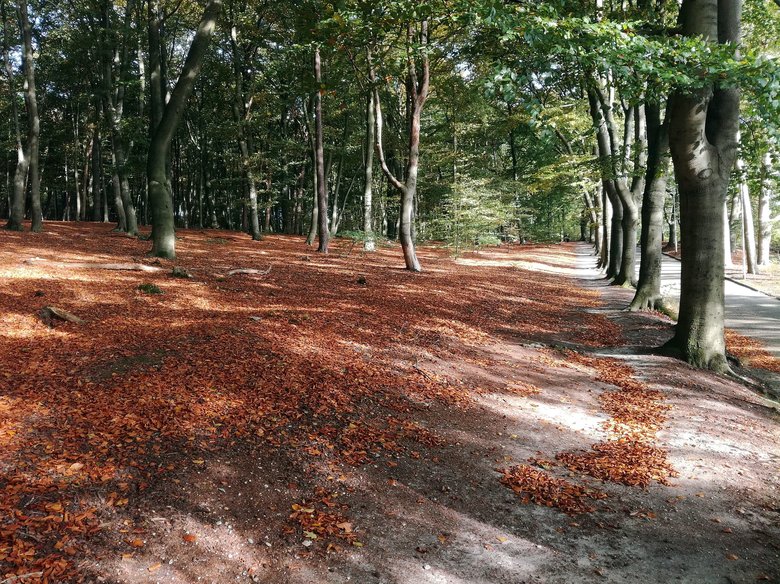
What strikes visitors first is how green the city is. Arnhem sits at the edge of the Veluwe, the largest forested area in the Netherlands, and the parks spill right into the centre. Sonsbeek Park alone is worth an afternoon of wandering, and Museum Arnhem sits at its lower edge. The city is also one of the last places in the Netherlands where trolleybuses still run -- quiet, electric, and oddly charming. St Eusebius' Church in the centre has a tower lift with panoramic views and a remarkable interior decorated with magnified microbe images. The Koepelgevangenis, a 19th-century panopticon prison, is now a cultural venue open for tours.
The centre is compact and walkable. The Korenmarkt and surrounding squares come alive in the evening with a good mix of pubs, restaurants, and clubs. Shopping is concentrated around the Ketelstraat and Vijzelstraat, and the Saturday market on the Marktplein is worth a visit. Arnhem Centraal railway station is itself a piece of contemporary Dutch architecture worth a look.
Arnhem itself rates a half-day if you stick to the centre, but the real draws are nearby: the Dutch Open Air Museum, Burgers' Zoo, and further out the Hoge Veluwe National Park with its Kroller-Muller Museum and its collection of van Goghs. GelreDome, home of Vitesse Arnhem, is one of the few stadiums in the world with a retractable roof and a sliding grass pitch.