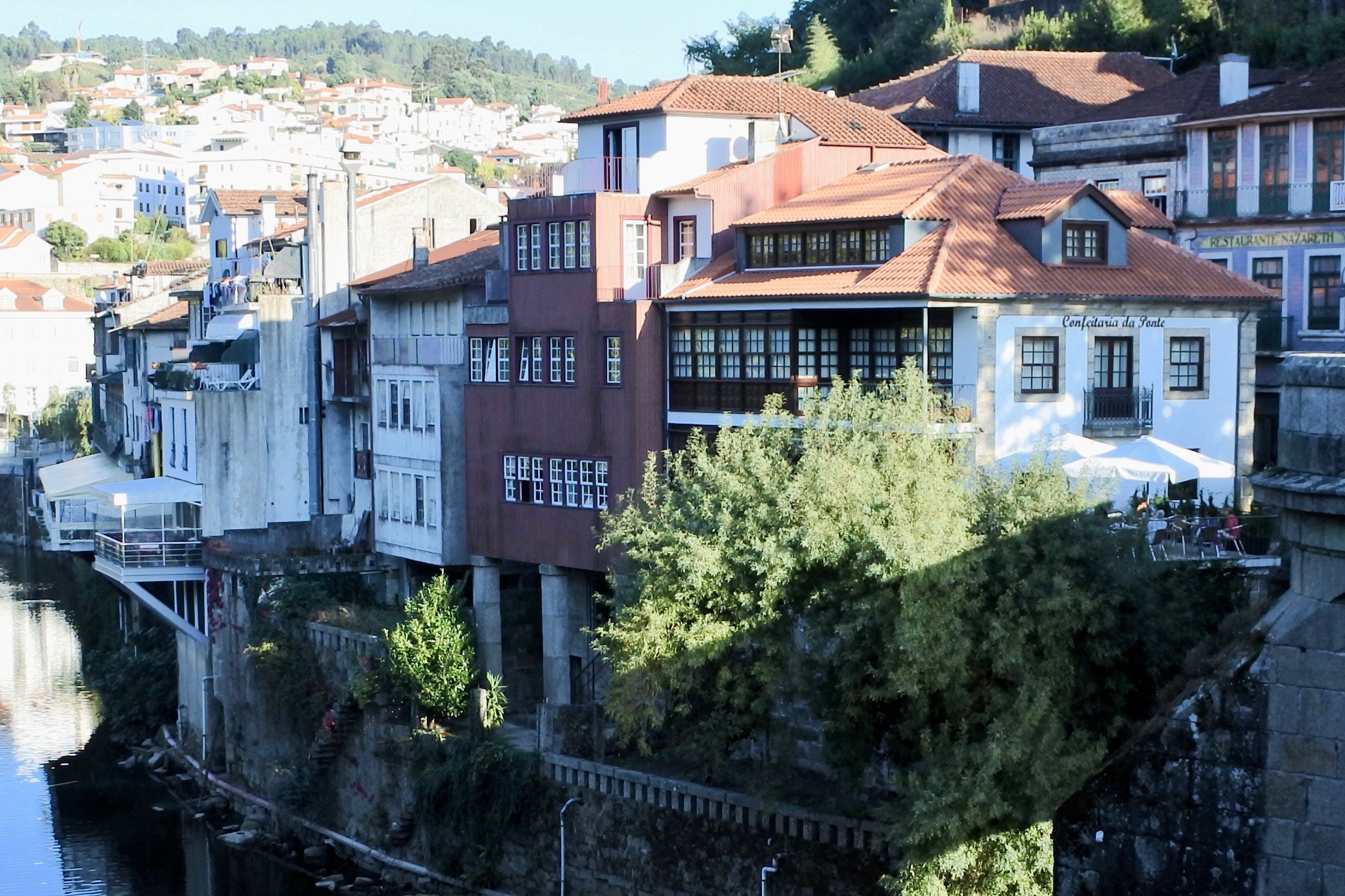
Northern Portuguese river town on the Tâmega, known for São Gonçalo Bridge and balconied houses.
Amarante is one of northern Portugal's most picturesque small towns, draped along both banks of the Tâmega River about 60 kilometres east of Porto. The town's centrepiece is the São Gonçalo Bridge, a granite span anchored at one end by the monastery church of the same name. The balconied houses lining the riverbank make for a scene that is almost impossibly photogenic.
São Gonçalo is the town's patron saint, and he is associated with love and fertility — during the June festival, locals exchange phallic-shaped pastries called doces de São Gonçalo, one of Portugal's more memorable folk traditions. The town is also known for its conventional pastries, particularly the egg-and-almond sweets found in the confeitarias along the main street.
The Amadeo de Souza-Cardoso Museum, housed in the monastery, holds works by the Portuguese modernist painter who was born nearby and died young during the 1918 flu pandemic. The surrounding countryside, with its vineyards and granite hills, is part of the Vinho Verde wine region and makes for good day drives. Amarante is an easy stop on the way between Porto and the Douro Valley.
Guide
Day trips
Amarante sits between two of northern Portugal's biggest draws. Porto is 50 minutes west by car or about an hour by bus, perfect for an afternoon raid on the riverside Port lodges. Peso da Régua in the heart of the Douro Valley is 45 minutes east — a good base for a wine-tasting day along the terraced vineyards.
Closer at hand, the Serra do Marão rises south of town, with hiking trails through chestnut forest and a high-mountain road leading to Vila Real. Travanca has a notable 12th-century Romanesque church and monastery, twenty minutes by car.
Guide
Eating out
Amarante is in the heart of the Vinho Verde region, and any restaurant in town will pour the local white — light, slightly fizzy, low in alcohol — by the carafe. The best restaurants cluster on the south bank near the monastery and the river. Restaurante Largo do Paço, in a 16th-century palace just up the hill, is the high-end option (Michelin-listed). Simpler choices on the riverside serve grilled bacalhau, roasted kid (cabrito), and the local vitela veal.
For something sweet, the famous doces de São Gonçalo — the phallic almond pastries — are sold at the confeitarias along the main street; Confeitaria da Ponte is the best-known. The town is also justly proud of its foguetes and São Gonçalos (cinnamon-and-egg specialities).
Guide
When to go
May and June are the sweet spot — warm but not yet too hot, with the vineyards in fresh green leaf. The first weekend of June brings the Festas de São Gonçalo, the town's biggest celebration: processions, fireworks over the river, and a full week of phallic pastry exchange.
Autumn (September–October) is the vindima (grape harvest) — a quietly festive time across the Douro and Tâmega valleys. Winters are mild but very damp and grey. Avoid August, when northern Portugal empties to the coast and many small restaurants close.