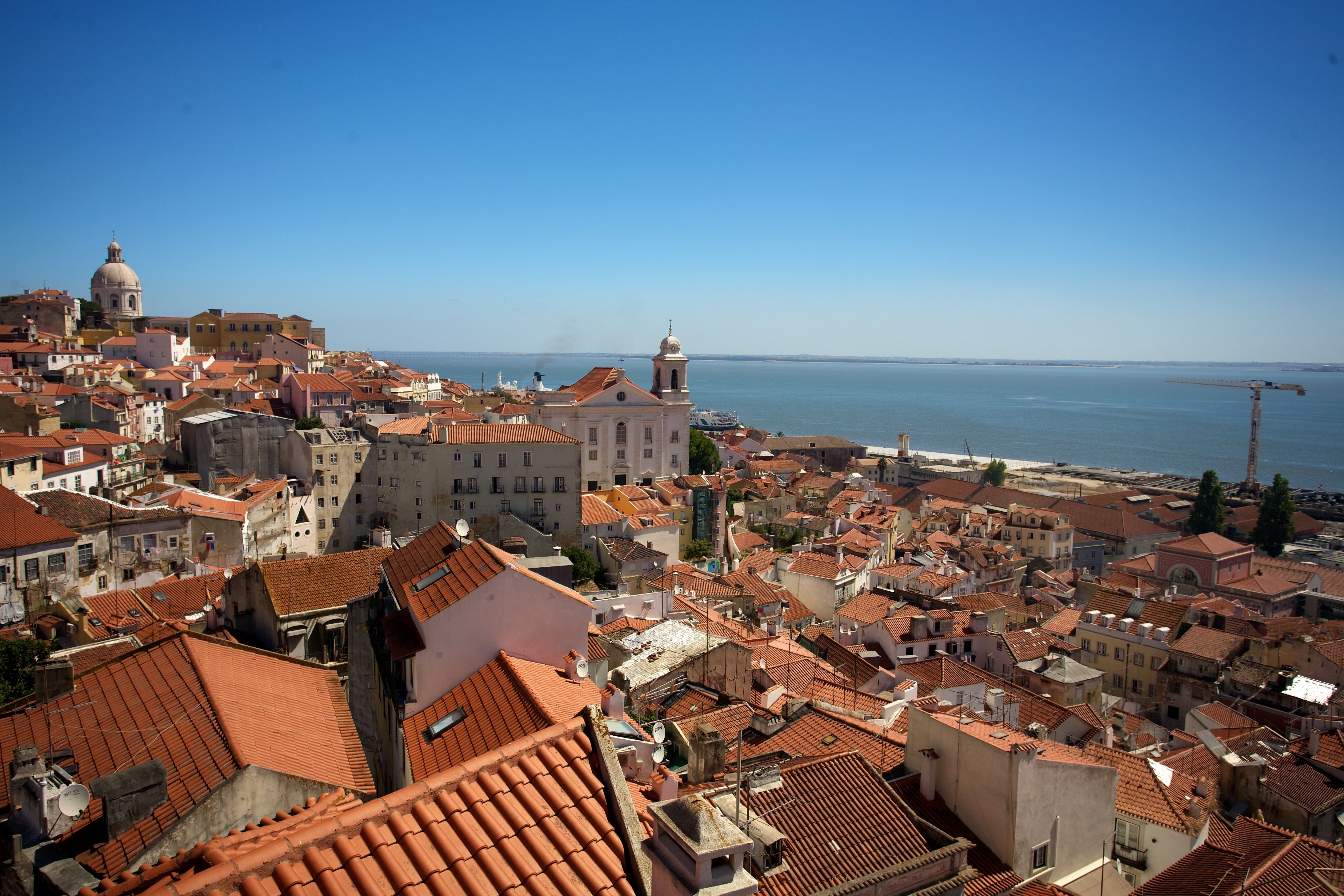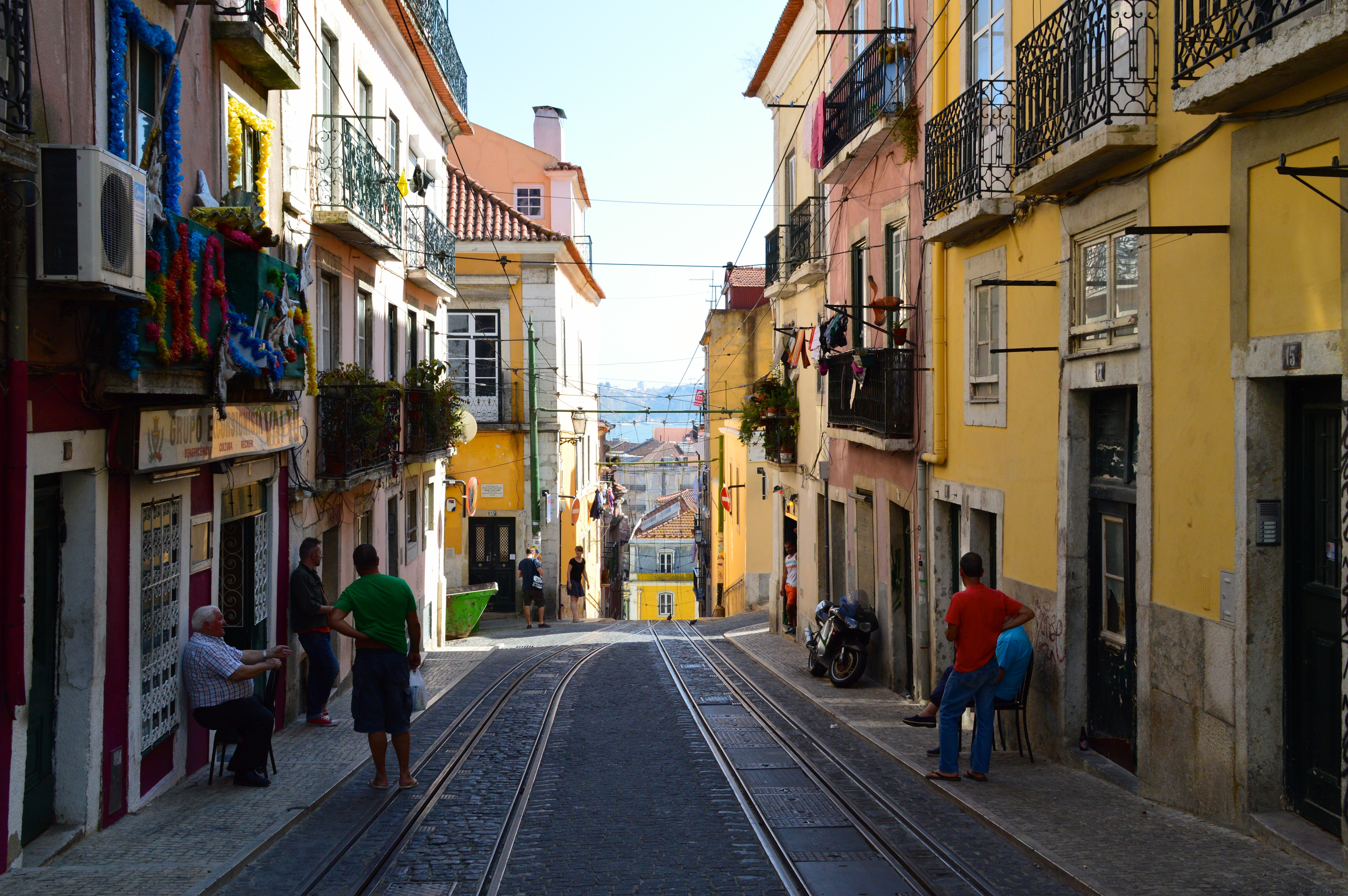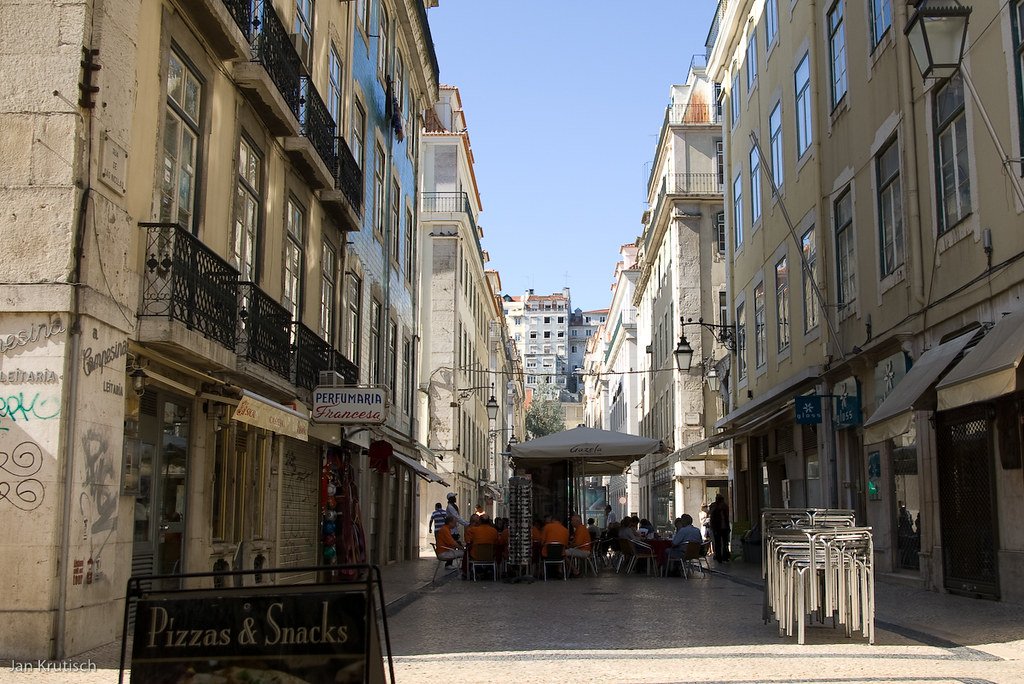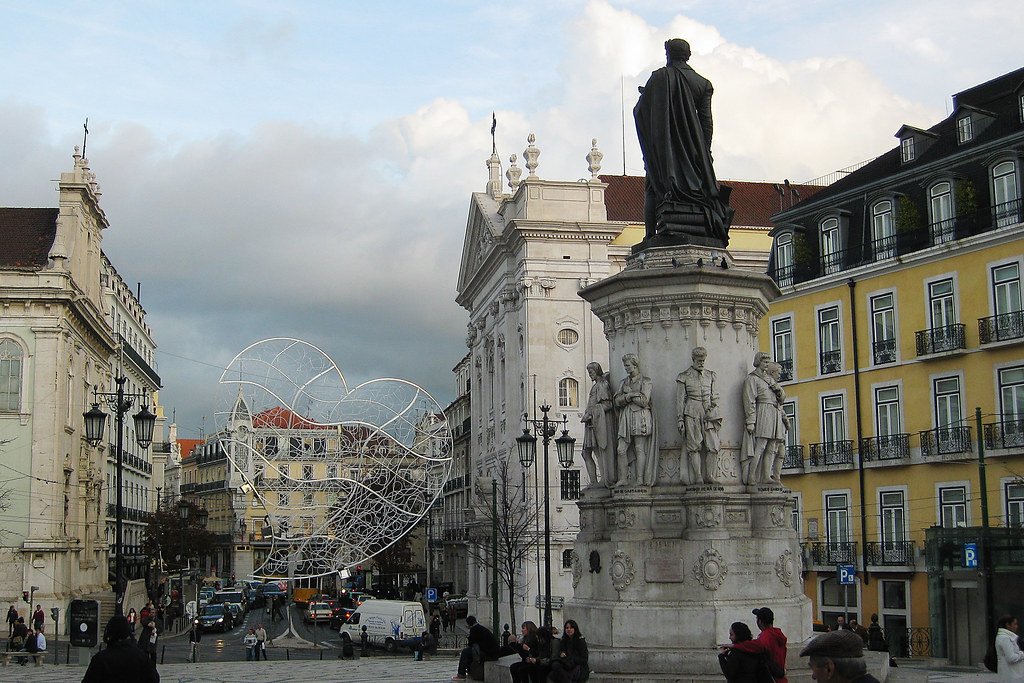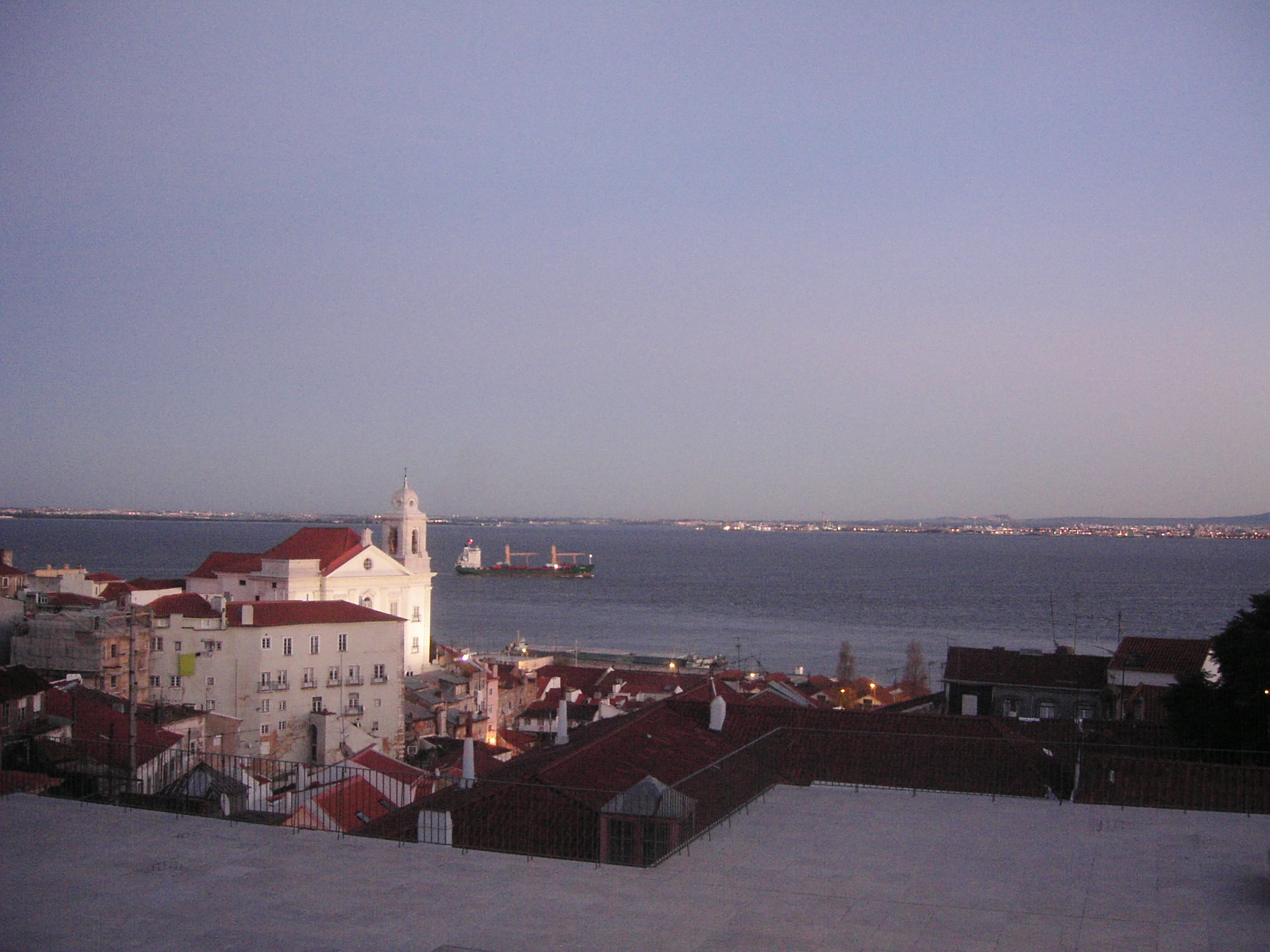
Lisbon is one of Europe's oldest and most beautiful capitals, a city of seven hills falling steeply to the Tagus estuary where the Atlantic begins. The earthquake of 1755 destroyed much of the city, and the rebuilt Baixa — the grid of elegant Pombaline streets between the Praça do Comércio and Rossio Square — is a monument to Enlightenment urban planning. But the city that survived the earthquake is the most interesting: the Alfama, Lisbon's oldest neighbourhood, winds up the hill below the Castelo de São Jorge in a labyrinth of medieval lanes where fado drifts out of restaurant windows.
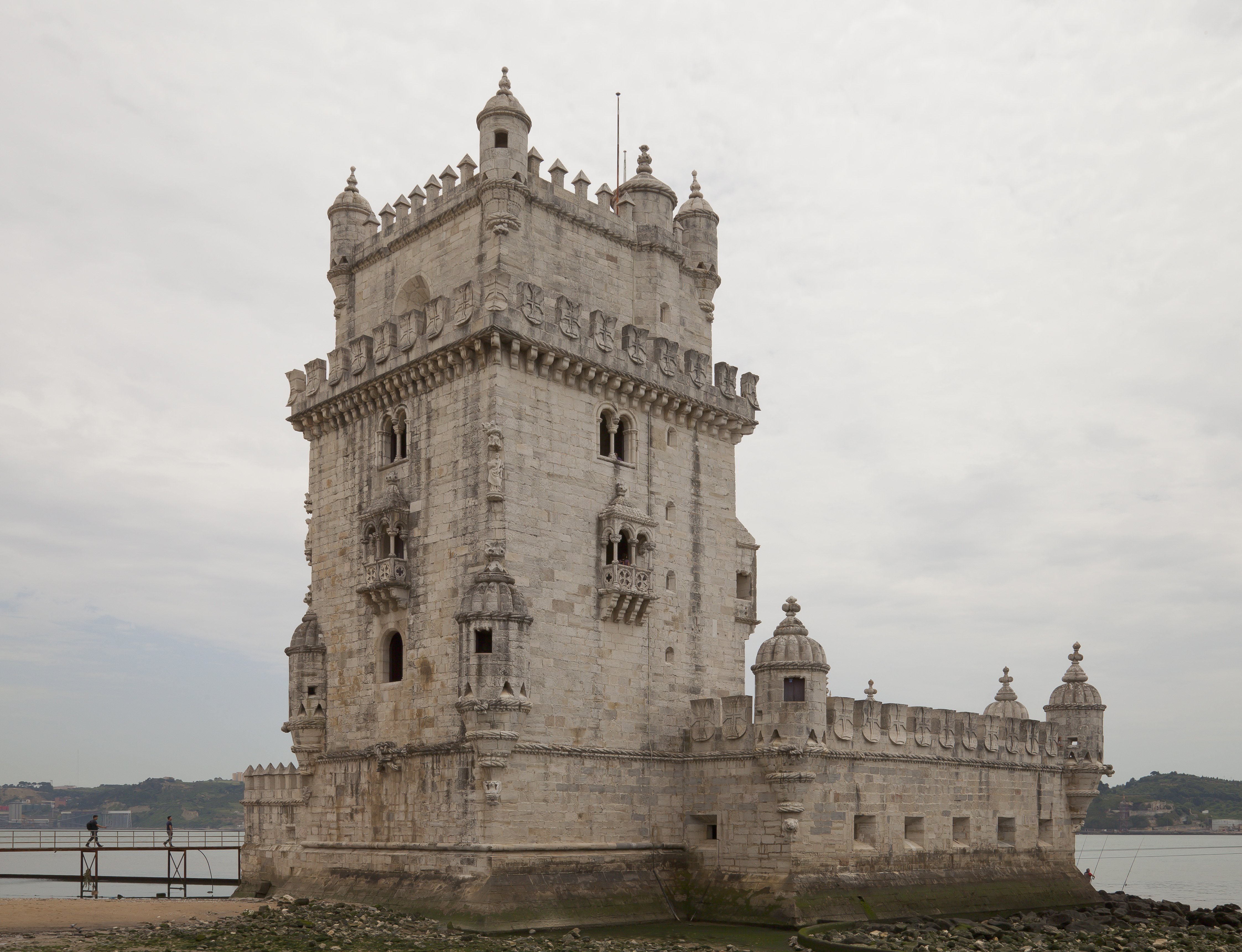
Belém, 6km west along the river, is where the Manueline architecture of the Age of Discovery reaches its peak. The Jerónimos Monastery and the Belém Tower — both UNESCO World Heritage Sites — commemorate the voyages that made Portugal briefly the most powerful nation on earth. Vasco da Gama is buried in the monastery. Pastéis de Belém around the corner has been making the same custard tarts since 1837.
The food and drink scene has transformed over the past decade. The traditional tascas serving grilled fish, bacalhau (salt cod in dozens of preparations), and cheap wine by the jug are still there and still worth seeking out. But a new generation of restaurants and wine bars has made Lisbon one of the most interesting cities to eat in Europe, with Alentejo wines in particular drawing serious attention. The Calouste Gulbenkian Museum and the Museu Nacional de Arte Antiga are among the finest art collections in southern Europe.
The city is compact enough to walk, though the hills are steep and the cobblestones irregular. Tram 28 is the romantic option through the Alfama; the metro is practical. Fado remains a living art form in the Alfama, not a tourist simulation — but you have to choose carefully where to hear it. The Museu do Fado is the best introduction.