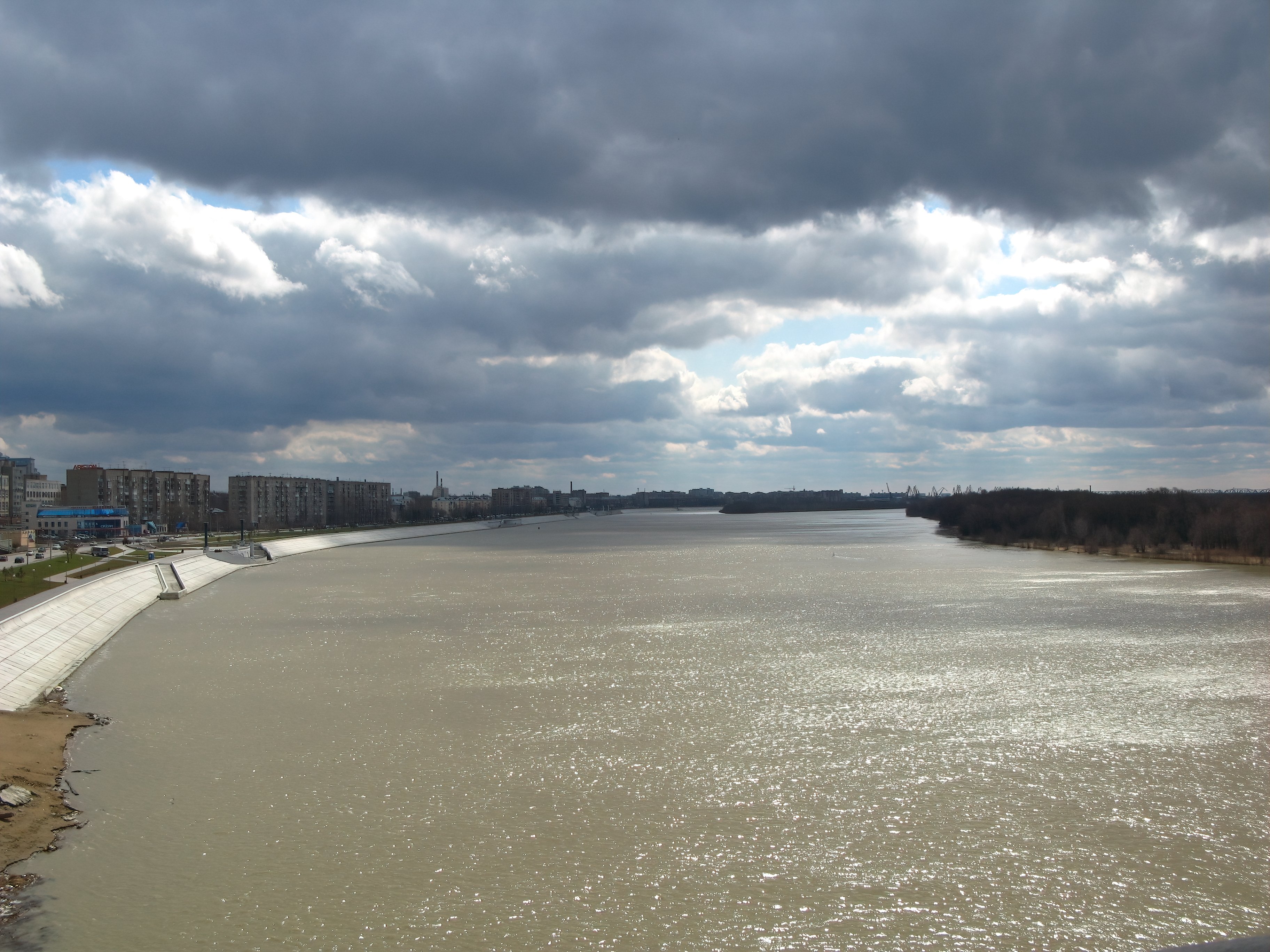
Omsk is one of Siberia's great old cities, spread along the Irtysh near the mouth of the Om. It began as an 18th-century fortress, became the administrative capital of Western Siberia, and later grew into a major rail, river, and industrial city. It does not have the polish of St Petersburg or the easy prettiness of Tomsk, but it has weight.
The historic core is around the old Omsk Fortress, where surviving and restored gates mark the city’s military beginnings. Nearby, the rebuilt Assumption Cathedral gives the centre its most visible landmark. Omsk's museums are stronger than many travellers expect, especially the Vrubel Museum of Fine Arts, which has one of Siberia's major art collections.
Omsk also carries darker history. Fyodor Dostoyevsky spent part of his Siberian prison sentence here, and the city briefly became the capital of the anti-Bolshevik White government during the Russian Civil War. For travellers crossing Siberia by train, it is worth more than a station pause: a day here gives you fortress remains, imperial streets, serious art, and a less-packaged view of Russian Siberia.