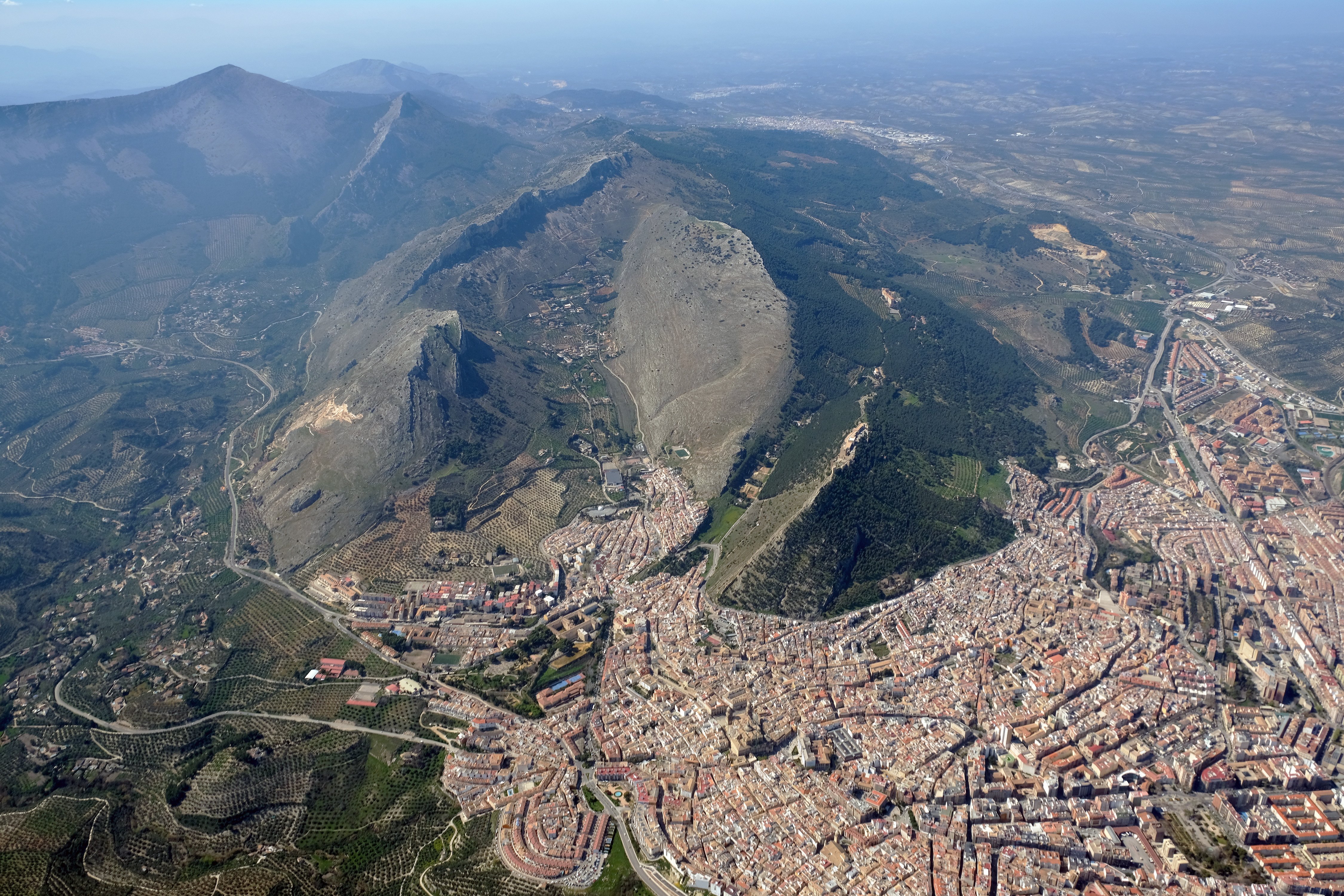
Jaén is one of Andalusia's least-visited provincial capitals, and that is precisely its appeal. While tourists crowd Seville and Granada, Jaén goes about its business — pressing olive oil (this province produces more of it than any other on earth), climbing its steep streets, and living in the shadow of a magnificent Arab fortress that towers over everything from the top of Santa Catalina hill.
The castle is the place to start. The Castillo de Santa Catalina was built by the Moors and later expanded by the Christians who took the city in 1246 under Fernando III. The views from the battlements are extraordinary — a sea of olive groves rolling to every horizon, interrupted only by the city below and the Sierra Mágina in the distance. The castle is attached to a parador, one of Spain's network of state-run hotels in historic buildings. Even if you are not staying the night, go up for a drink and watch the sun set over the valley.
Back in the old town, the Cathedral of Jaén is a serious piece of Renaissance architecture, begun in 1555 by Andrés de Vandelvira. It is considered one of the finest Renaissance cathedrals in Spain, and it dominates the Plaza de Santa María with an authority that no photograph quite captures. The old quarter spreads out from here around the churches of La Magdalena and San Ildefonso — good streets for an aimless afternoon walk. Don't miss the 11th-century Arab Baths, hidden beneath the Palacio de Villardompardo.
Jaén is an easy stop between Granada (about an hour by bus or train) and Úbeda and Baeza, the pair of Renaissance towns to the northeast that are together a UNESCO World Heritage Site. Many travelers pass through all four in a single trip.