Liverpool is one of the liveliest cities in England, shaped by its port, its people, and its music. The Mersey waterfront was a UNESCO World Heritage Site until 2021 and remains the city's calling card, but the real draw is the energy of the place: irreverent, creative, and fiercely proud of where it comes from.
The waterfront stretches from the Pier Head and the Three Graces through to the Albert Dock, now home to Tate Liverpool, the Merseyside Maritime Museum, and The Beatles Story. Inland, the city centre mixes grand Victorian and neoclassical buildings with modern developments. Bold Street is the heart of independent Liverpool — cafes, record shops, vintage stores — while the Georgian Quarter around Hope Street connects the two cathedrals: the vast Anglican cathedral at one end and Paddy's Wigwam (the Metropolitan Cathedral) at the other.
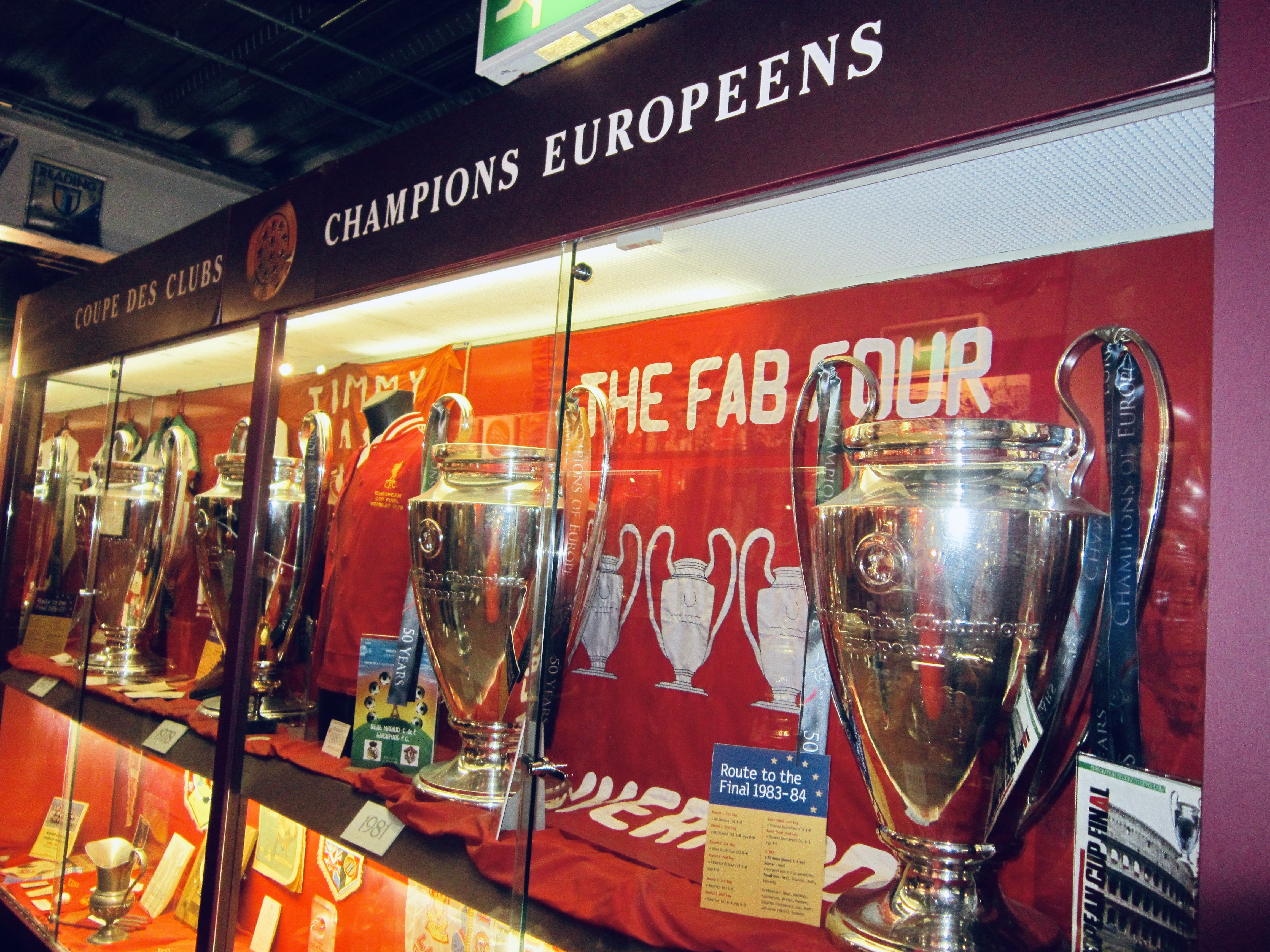
Football runs deep here. Anfield and Goodison Park sit just a couple of miles apart, and on match days the city takes on a different rhythm. But Liverpool's most famous export is still its music. The Beatles put the city on the map, and Mathew Street and the Cavern Club remain pilgrimage sites, but the live music scene has never stopped — from post-punk to the current crop of bands playing the Baltic Triangle venues.
Liverpool is also a city of parks. Sefton Park, with its Palm House and open lawns, is one of the finest urban parks in Britain. The docks have been transformed into public spaces, and the whole city feels more walkable and open than it did a generation ago. It rewards the visitor who stays a couple of days and wanders beyond the obvious.