Antiparos
©
Antiparos

Antiparos

Quiet Cycladic island beside Paros, centred on whitewashed Chora and the long-visited Cave of Antiparos.

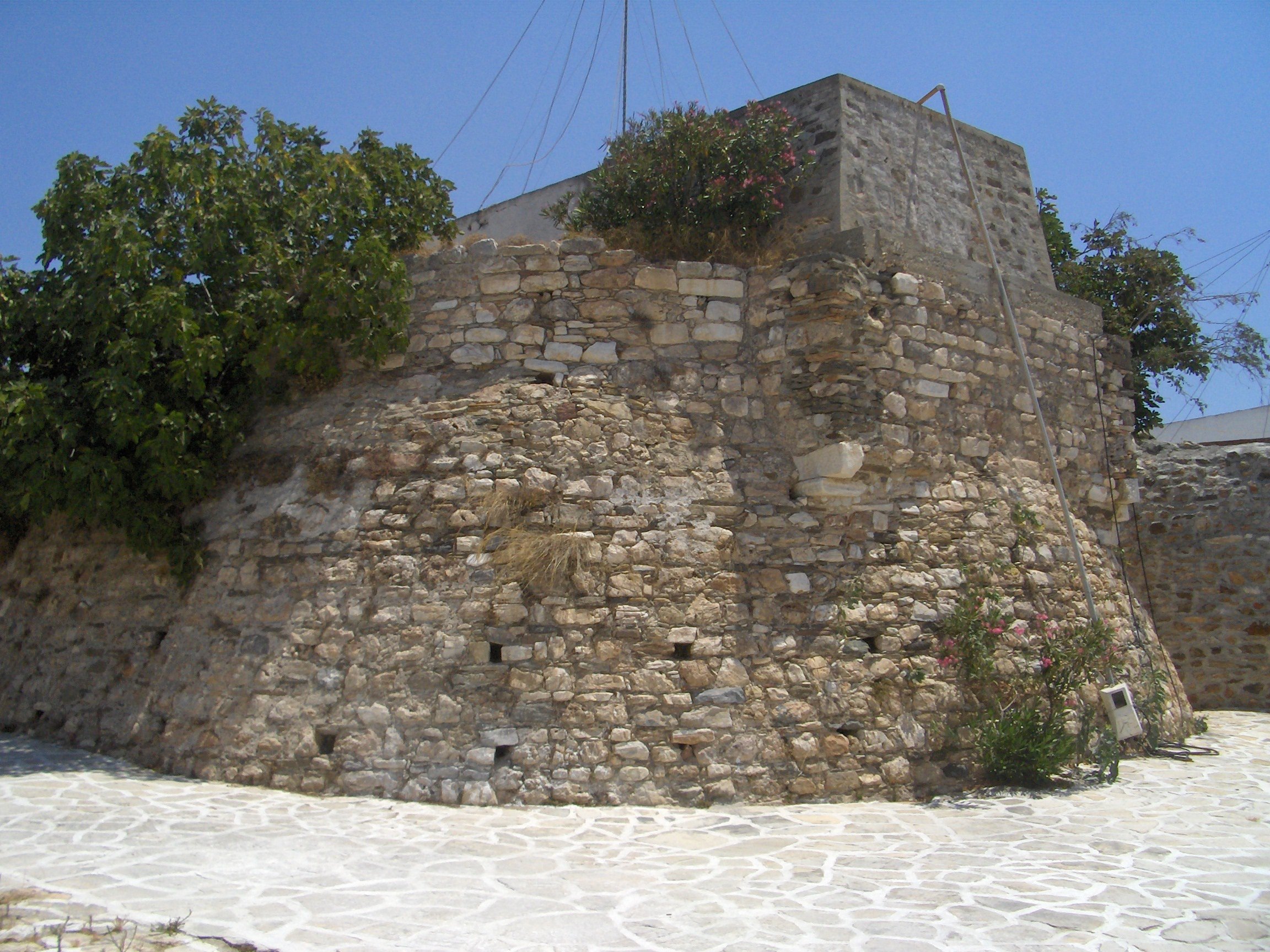
Antiparos is the quiet neighbour of Paros — a small Cycladic island reached by a short ferry from Parikia, with a pace of life that feels several decades behind the rest of the Aegean. The main town (Chora) is a cluster of whitewashed houses around a 15th-century Venetian kastro, and mopeds are the best way to explore the rest.

The island's star attraction is the Cave of Antiparos, one of the oldest known tourist sites in Europe — visitors have been scratching their names on its walls since the 15th century. The stalactite and stalagmite formations inside are spectacular, reached by a long descent of concrete steps into the hillside. The cave sits on the mountain above the village of Agios Ioannis. Back in the main village, the Venetian kastro is compact but atmospheric — its outer ring of houses doubled as the castle walls, with no external windows at ground level.

Antiparos also draws windsurfers to its western coast, where reliable Meltemi winds blow through the channel between the islands. The beaches are quiet and clean, with warm, shallow water and enough tree shade to survive the afternoon heat.

Guide

Beaches

Antiparos has a handful of quiet, tree-lined beaches with clear water and very few crowds. Most are on the southern and western coasts and can be reached by moped or on foot.

Psaralyki is the most accessible — two adjacent beaches close to town with shallow water, pedal boat rental and space for volleyball. The northern stretch is popular with families; the southern end is clothing-optional.

Soros, on the south-west coast, has crystalline water and two simple tavernas. It is laid-back and sparsely visited.

Glifa sits in a rural setting with views across to Paros. Southern trees provide shade in the afternoons. Ideal for families wanting solitude.

Panagia is the most peaceful — it empties out in the strong afternoon sun, leaving you more or less alone with the big shade trees and the water.

Guide

Getting There

Antiparos is reached by ferry from Paros, which in turn has regular connections to Athens (Piraeus) and the other Cyclades. The car ferry between Pounta on Paros's west coast and Antiparos village runs frequently throughout the day — the crossing takes about 10 minutes and runs year-round, though schedules thin out in winter. A second passenger-only ferry runs from Parikia, Paros's main port, several times daily in summer.

From Athens, the usual route is a 2–3 hour ferry from Piraeus to Paros, then the short hop across. In high summer, fast ferries can reduce the Piraeus–Paros journey to around 4 hours. Flying to Paros (from Athens, 45 minutes) and then taking the ferry is the quickest option from Athens but significantly more expensive.

Guide

Things to Do

Antiparos is small enough to cover thoroughly in two or three days. The Cave of Antiparos is the main attraction and should not be missed; the Venetian kastro in Chora is compact but atmospheric; and the beaches on the south and west coasts are among the cleanest in the Cyclades. Mopeds are the right way to get around — the island's roads are narrow and the distances short.

Guide

When to Go

Antiparos is emphatically a summer island. July and August bring full tourist infrastructure, reliable sunshine, and the Meltemi wind that cools the heat and drives the windsurfing. This is also the most crowded period — the island is small, and a busy day-trip boat from Paros can noticeably fill the main village. June and September are better: the weather is warm, the water is swimmable (particularly in September when it has had all summer to warm up), and the crowds are thinner.

Outside the summer season, Antiparos is very quiet. Most tourist-oriented businesses close from October to May. The permanent population is small and life moves at the pace of a small Cycladic island in the off-season: peaceful and not necessarily entertaining for visitors seeking activity.