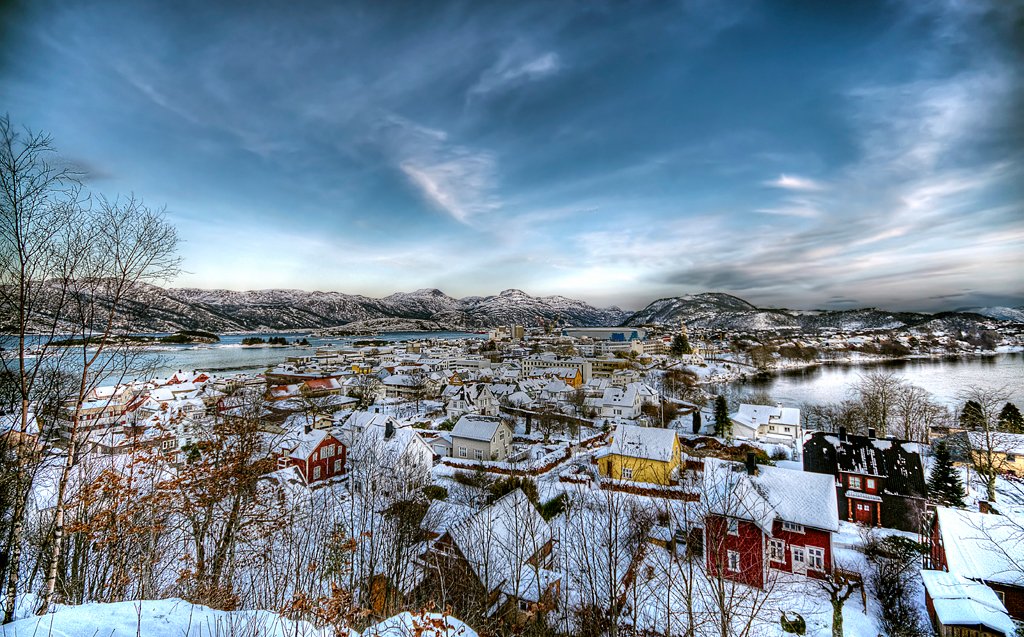
Florø
©
Florø

Florø

Norway's westernmost city, a working coastal harbour founded during the 19th-century herring boom.

Florø is Norway's westernmost city, sitting on a peninsula at the edge of the Sognefjord coast in western Norway. Founded in 1860 to serve the booming herring fisheries, it's a modest, genuine place with a working harbour, a compact town centre, and direct access to some extraordinary coastal scenery. It never made it onto the standard Norwegian tourist circuit, which is part of its appeal.

The herring trade that gave Florø its reason to exist is long gone, replaced by salmon aquaculture and North Sea oil logistics. The harbour is busy in a functional way rather than a picturesque one, but the town itself is easy to navigate on foot, and the islands and fjords immediately around it are spectacular.

Guide

Getting There

Florø Airport (IATA: FRO) has several daily flights from Bergen (around 30 minutes) and connections from Oslo. Widerøe operates most of the regional routes. The airport is small and the flights fill up, so book ahead if you are travelling in summer.

By road, Florø is connected to Førde, the nearest larger town, by bus. The journey takes about 1.5 hours. From Førde you can reach Bergen and the rest of western Norway by bus or by the inland road network. There is no direct rail connection.

Guide

Things to Do

The main reason to come to Florø is the coast and the islands. The surrounding waters are excellent for fishing — trout and eel in the lake right in the town centre, sea fishing out in the fjords. Local outfitters can arrange day trips by boat to the outer islands.

For a half-day trip, head to Ausevika, about 40 minutes south by car toward Stavang. The rock carving site here contains more than 300 figures — humans, animals, and fertility symbols — carved over 3,000 years ago. Much of the site is intact and signposted.

The island of Svanøy, accessible by ferry, is the most fertile and southerly island in the municipality. The old estate dates from the 17th century and the grounds include a working deer farm. It's a quiet, unhurried place best visited in good weather.

For something more elemental, a stormy day on the outer coast is genuinely memorable. Several old fishermen's cottages on the outer islands can be rented; the combination of howling wind, solid timber walls, and a woodstove makes for a very Norwegian experience.

Guide

When to Go

Summer — June through August — is the obvious choice. Days are long, the weather is as reliable as it ever gets on the Atlantic coast, and ferry services to the islands run more frequently. July in particular sees some genuine warmth, though rain is always possible. The landscape is green and the coastal light in the evening is remarkable.

Winter brings short days, storms rolling in from the North Sea, and occasional aurora borealis on clear nights. The town is quiet and some services shut down, but if you are not bothered by cold and darkness, there is a particular beauty to the coast in this season. Spring and autumn are transitional — fewer crowds, unpredictable weather, and the same scenery at lower prices.