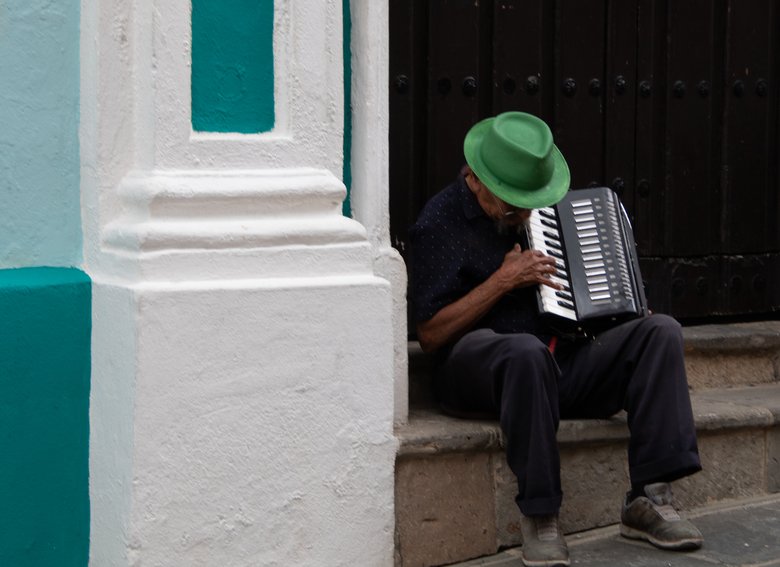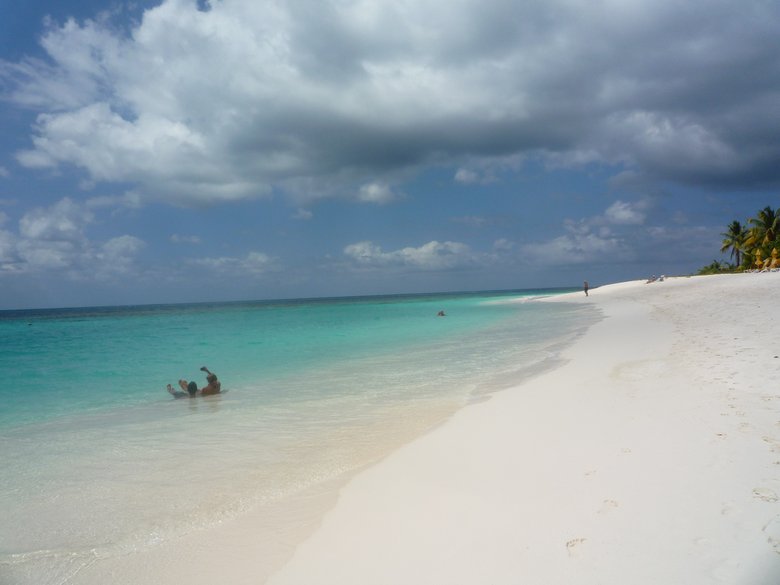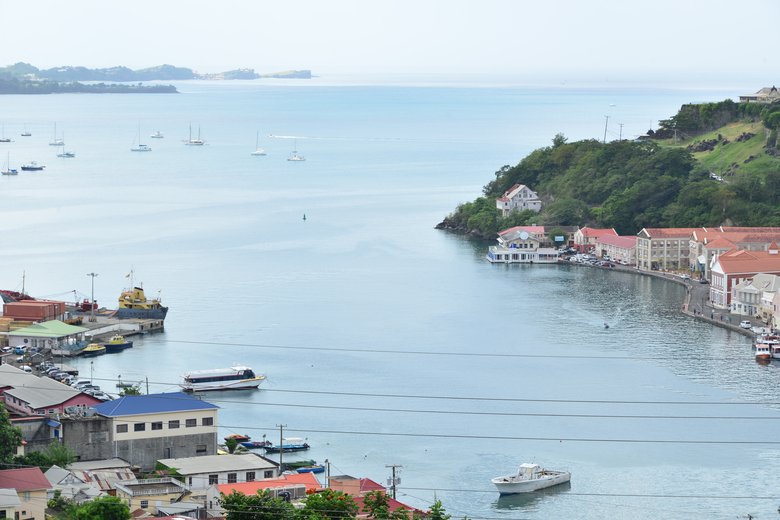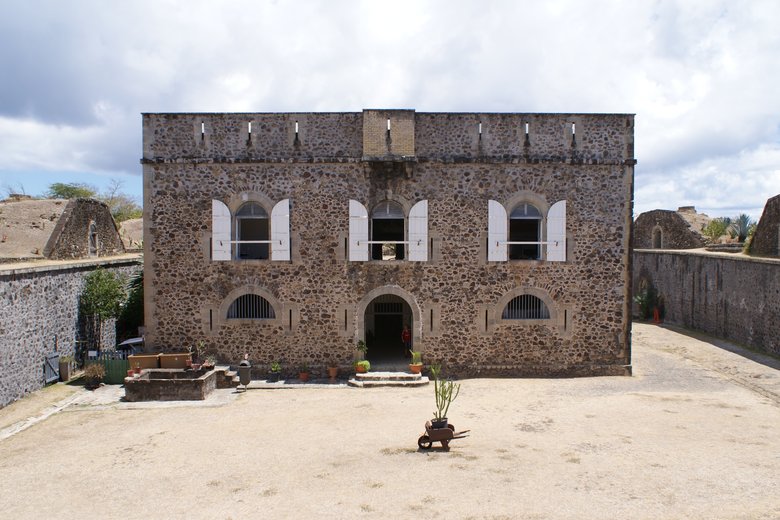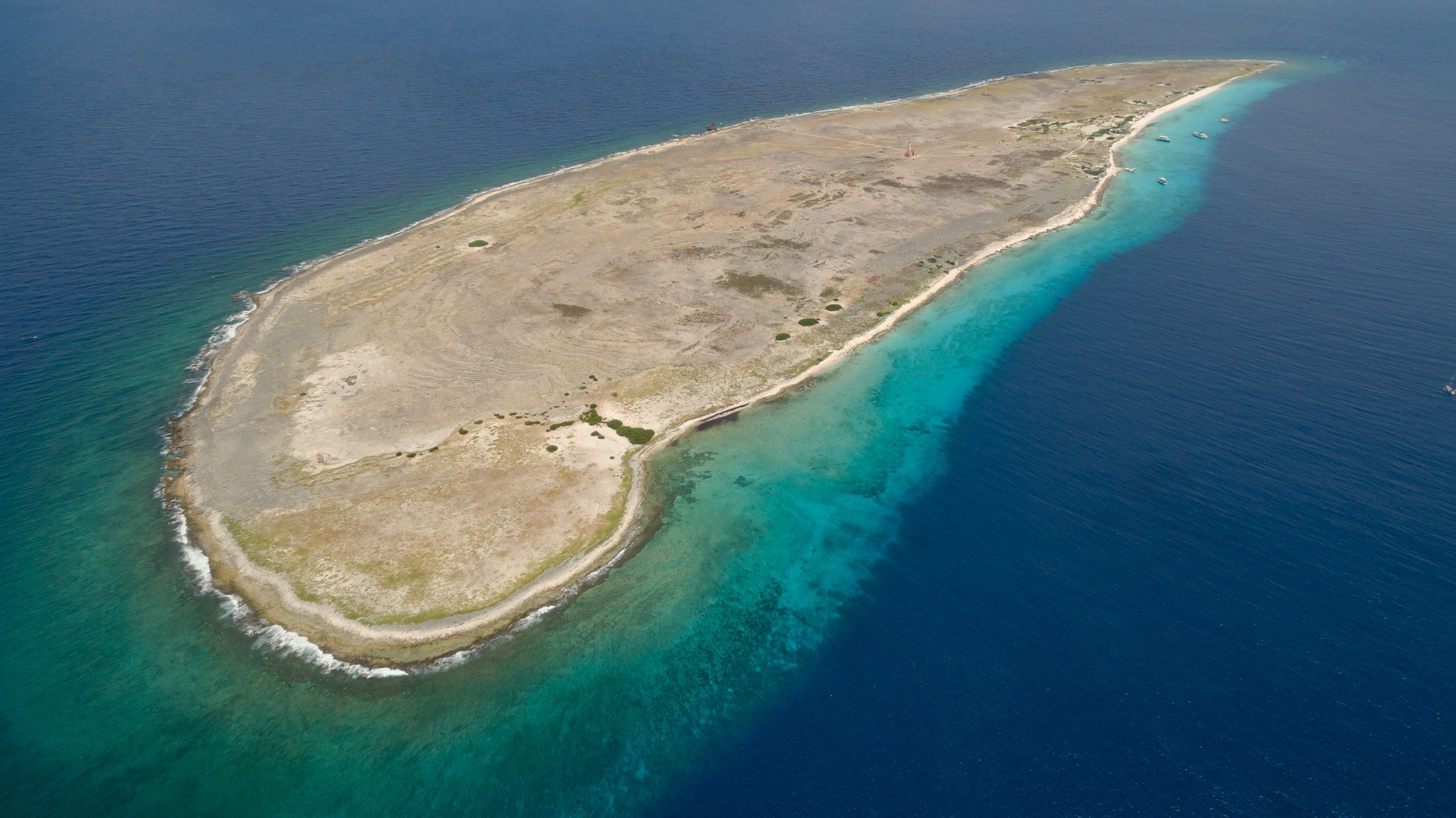
The Caribbean is a region of island nations and territories scattered across the Caribbean Sea between North and South America. Spanning from Cuba in the north to Trinidad at the southern fringe, it encompasses enormous variety: mountainous volcanic islands still rising from the sea, low coral atolls barely above the waterline, former British, French, Dutch, and Spanish colonies, each carrying distinct languages, cuisines, and characters shaped by their different colonial and post-colonial histories.
The Greater Antilles — Cuba, Hispaniola (Haiti and the Dominican Republic), Jamaica, and Puerto Rico — are the largest islands and hold most of the population. Cuba is unlike anything else in the region: a socialist state of considerable complexity, with colonial Havana, one of the world's great cities, at its centre. Puerto Rico is a US territory that feels American in infrastructure but Puerto Rican in soul, with Old San Juan's blue cobblestones and the bioluminescent Mosquito Bay among its highlights.
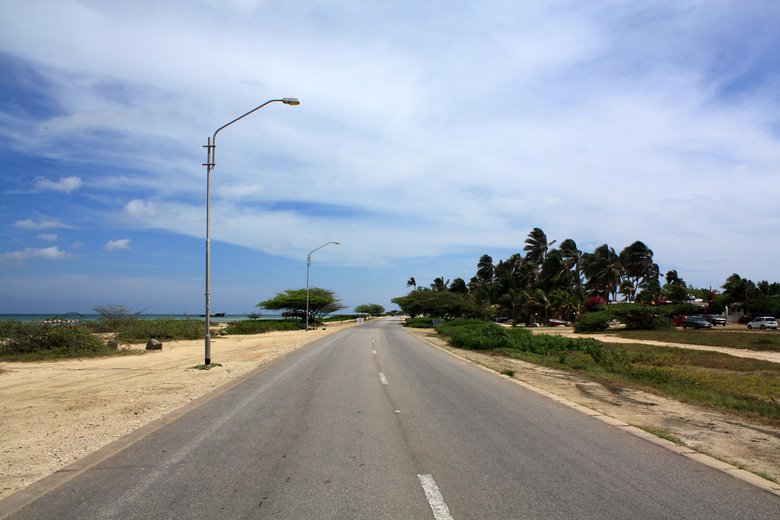
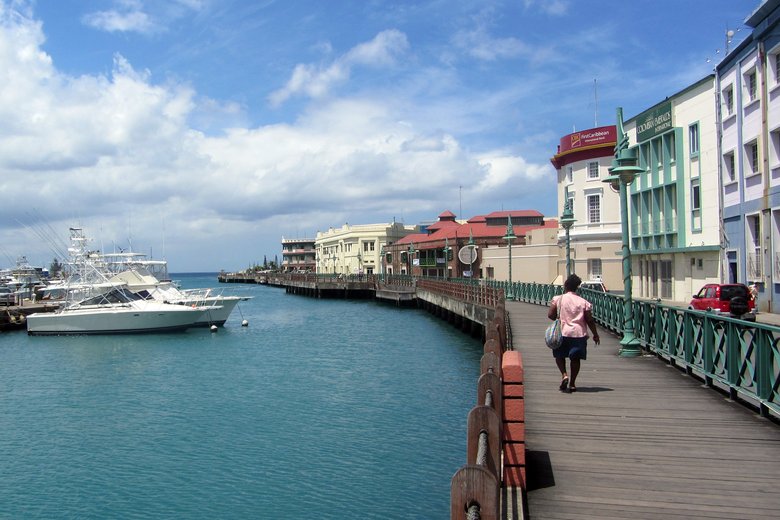
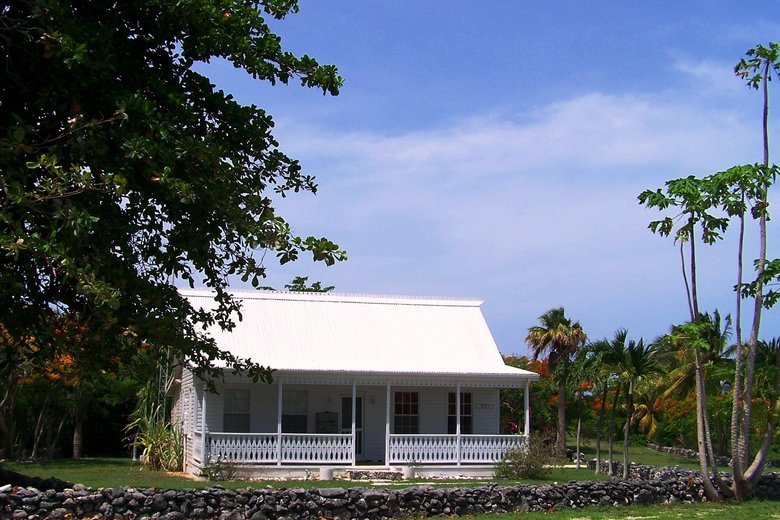
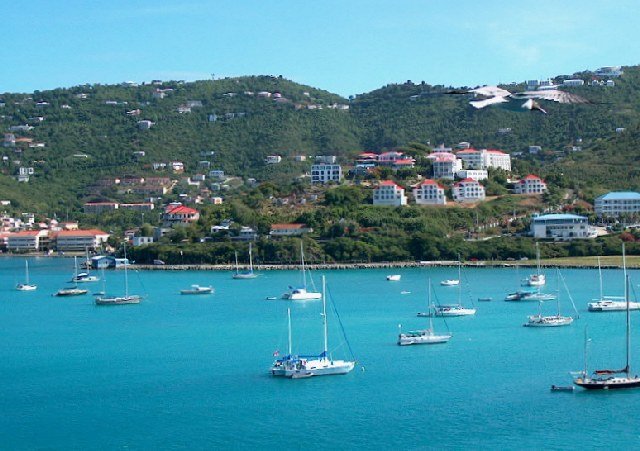
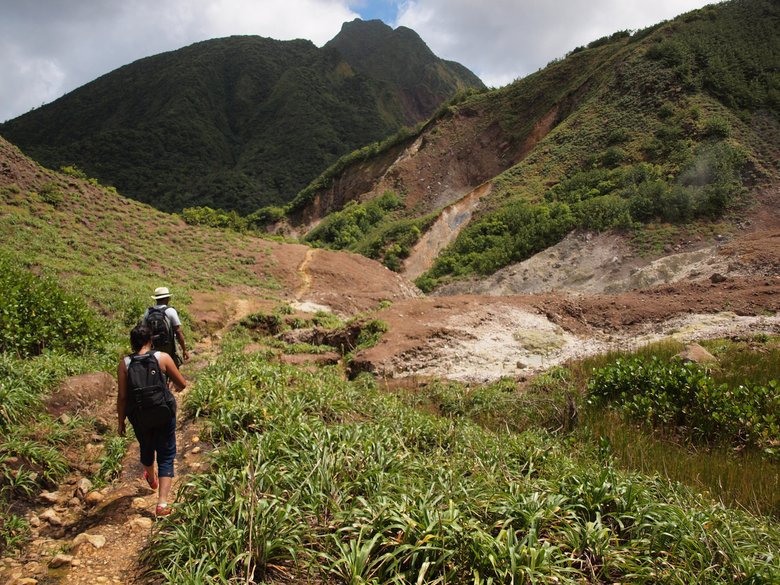
The smaller islands of the Lesser Antilles — stretching in an arc from the Virgin Islands south through Barbados, Grenada, Martinique, and Guadeloupe — offer beaches, diving, sailing, and the pleasures of small-island life. Aruba is dry, flat, and very popular with package tourists. The Cayman Islands are prosperous and known for diving. Dominica — not to be confused with the Dominican Republic — is the most volcanic and forested, with the least-developed coastline and the most interesting walking.
Hurricane season runs from June to November; the peak is August to October. Most visitors come between December and April.