Kos
©
Kos

Kos

Dodecanese island town with a Knights' castle, ancient ruins, beaches, and Hippocrates legends

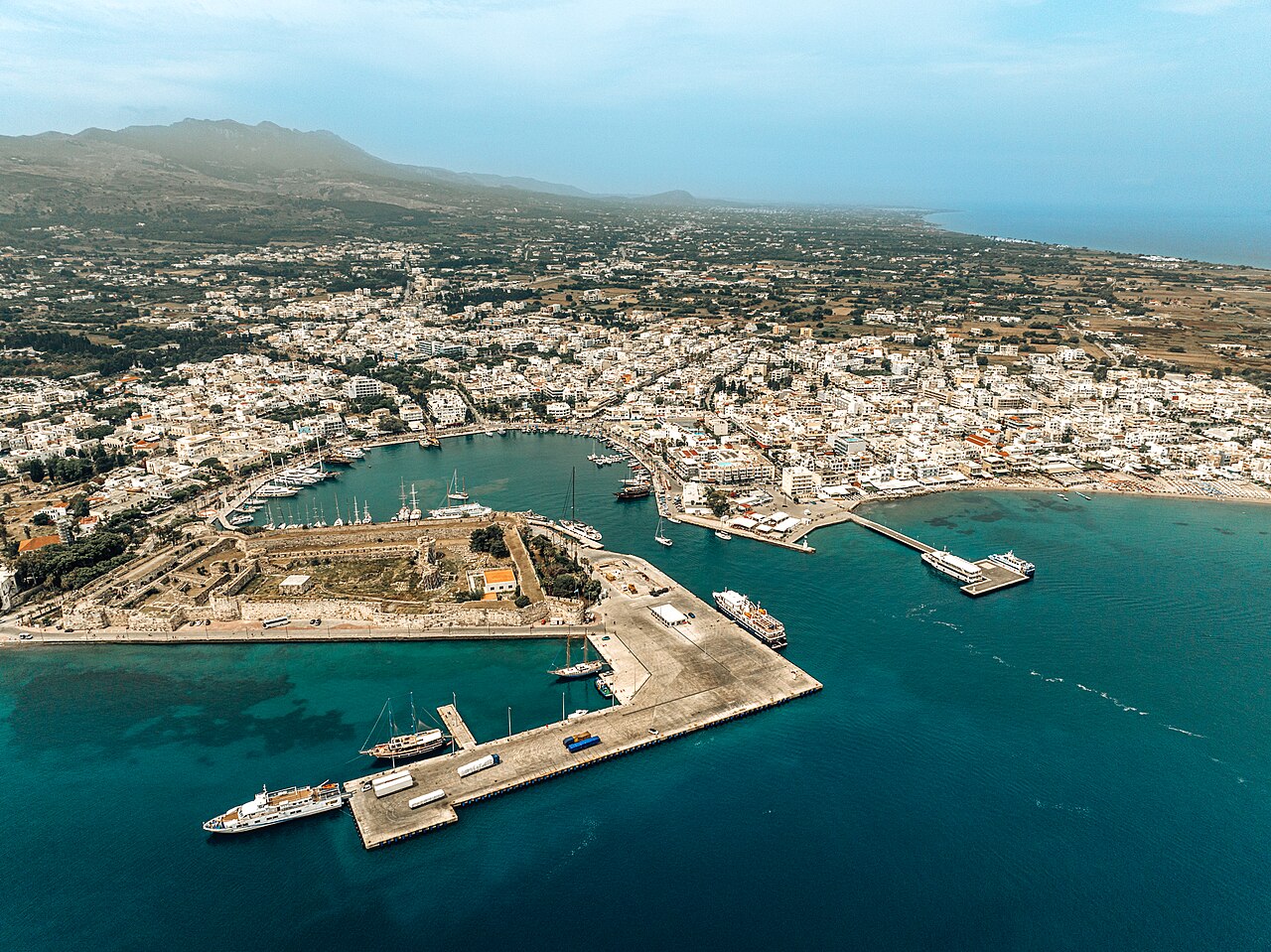
Kos is one of the most popular Dodecanese islands, second only to Rhodes in visitor numbers. The main town, also called Kos, sits on the eastern tip of the island with a harbour dominated by the Castle of the Knights of St John. Despite the heavy tourist industry, the town has genuine historical depth — the ancient city's ruins spread through the centre, the Tree of Hippocrates stands in the main square, and the Asklepion, the most important medical school of antiquity, is just a few kilometres away.

The island is long and narrow, with a string of beaches along the north coast and quieter, wilder terrain in the interior. Kos Town is the base for most visitors; the resort strip extends west to Tigaki and Mastichari. For fewer tourists and better scenery, the mountain villages of Zia and Pyli and the far western bay of Kefalos are worth the effort. The island is flat enough to explore entirely by bicycle, which is how the more discerning visitors get around.

Guide

Beaches

Kos has a long stretch of north-coast beaches running west from Kos Town. Most are flat and sandy with calm, shallow water — good for families and casual swimmers. The more attractive and less crowded beaches are generally further west, toward Mastichari and Kefalos. Kefalos Bay, at the western tip of the island, has several lovely beaches and is quieter than the main resort strip.

Tingaki is the closest quality beach to Kos Town, about 10 km west. Paradise Beach and Sunny Beach further west are popular with windsurfers. The southern coast has wilder, windier beaches suited to those who want to escape the organised resort scene.

Guide

Eating Out

Kos Town's restaurant scene caters heavily to the mass tourist market — beach bars, cocktail places, and tavernas with picture menus in multiple languages line the harbour front. Better food is found a few streets inland, where local tavernas serve fresh fish, grilled octopus, and the Greek island standards at honest prices.

Kos produces good local wine; the Halaris winery near the village of Pyli is worth seeking out if you have transport. The mountain village of Zia is touristy but the tavernas there do serve reasonable Greek food with good views toward the Turkish coast.

Guide

Getting Around

Kos is the most cycle-friendly Greek island — the terrain is flat, the distances are manageable, and bicycle hire is widely available in Kos Town. You can reach most beaches and several villages on a day trip by bike. For the interior and western villages, a scooter or hire car is more practical.

A public bus service runs from the main station in Kos Town to Tigaki, Mastichari, Kefalos, and other points along the island. Services are reasonable in frequency during summer but reduce considerably out of season. Taxis are available in the town and at the airport. The Asklepion, about 4 km outside town, can be reached by a tourist train that departs from the harbour, by taxi, or on foot.

Guide

Getting There

Kos International Airport "Hippocrates" (KGS) receives flights from Athens, Thessaloniki, and numerous European cities on charter and low-cost carriers during summer. The airport is about 26 km from Kos Town. Olympic Air and Aegean Airlines run domestic routes year-round.

Ferry connections link Kos with Athens (Piraeus), Rhodes, Bodrum (Turkey — a short 30-minute crossing), and other Dodecanese islands. The main ferry port is right in Kos Town. Several catamarans operate seasonal high-speed services to Rhodes and further Dodecanese destinations.

Guide

Things to Do

Kos Town has more historical depth than its mass-tourism reputation suggests. The Knights of St John Castle dominates the harbour, the ancient Agora ruins spread out behind the main street, and the Tree of Hippocrates — supposedly the plane tree under which the father of medicine taught — stands in the Plateia Platanou, although the current tree is only about 500 years old and Hippocrates died around 370 BC.

The real highlight is the Asklepion, the ancient healing sanctuary dedicated to Asclepius (god of medicine) and the most important medical school of antiquity. It sits on a hill 4 km from town with good views toward Turkey. Inland, the mountain villages of Zia and Pyli offer a quieter, less commercial face of the island.