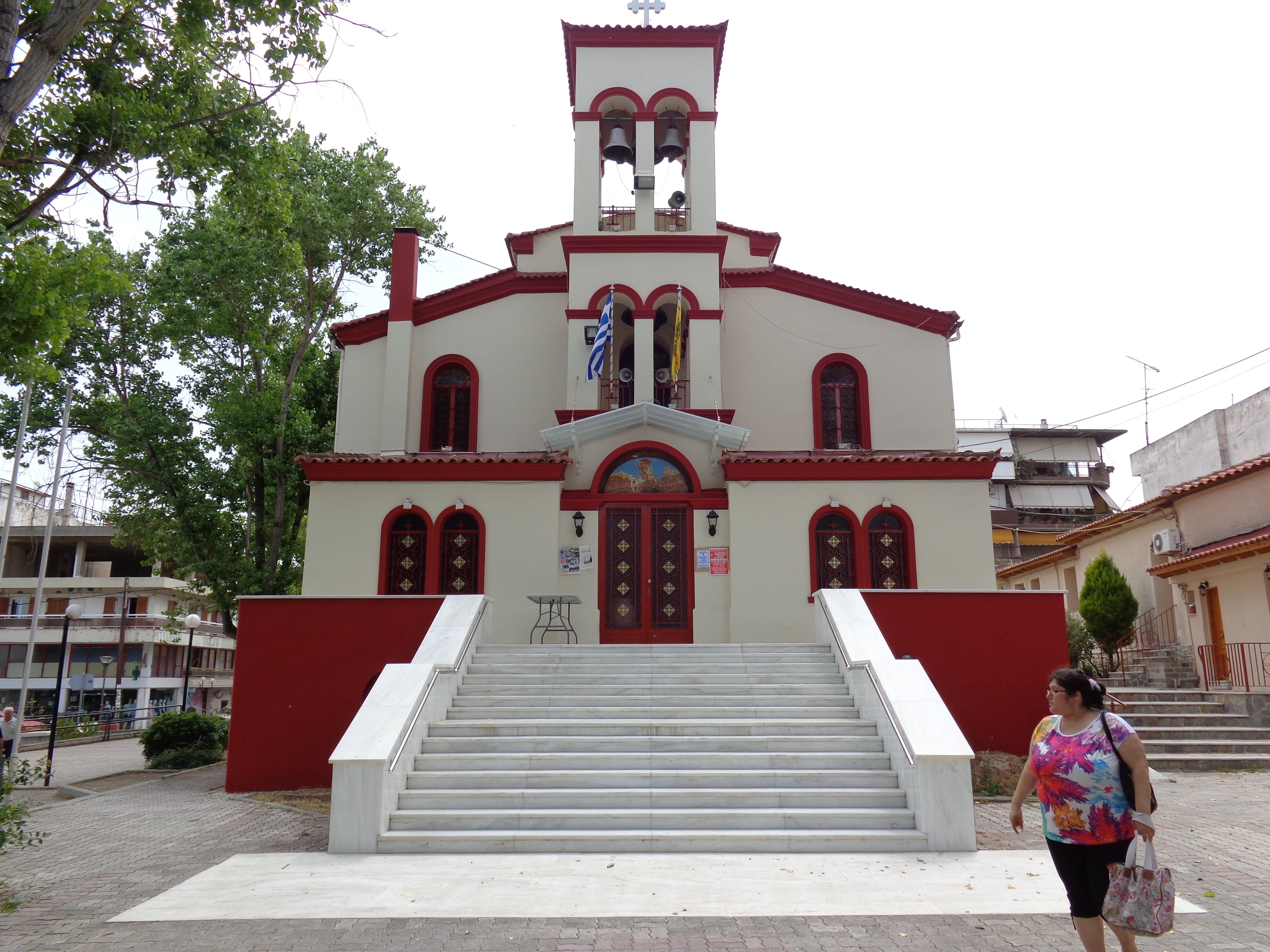
Thiva — ancient Thebes — was once among the most powerful cities in Greece. This is where Oedipus ruled, where Dionysus was born, where the Sacred Band defeated Sparta, and where Alexander the Great razed the city to the ground as a warning to the rest of Greece. Few places carry as much mythological and historical weight. The modern town, however, makes no great effort to live up to its past. Thiva today is a provincial agricultural centre on the Boeotian plain, unremarkable at first glance and passed through by most travellers heading elsewhere.
That said, the Archaeological Museum of Thebes is genuinely excellent and reason enough to stop. Reopened in 2016 after a long renovation, it houses an outstanding collection of Mycenaean artefacts, painted Tanagra figurines, and grave goods from the region's long history. The museum building itself sits on the ancient Cadmea, the citadel of Thebes, and scattered remains of Mycenaean walls and chambers are visible nearby, though you need some imagination to conjure the city that once rivalled Athens.
The town is not a destination in itself, but it sits within easy reach of places worth seeing. The battlefield of Leuctra, where Epaminondas shattered Spartan military supremacy in 371 BC, is a short drive to the southwest. The monastery of Hosios Loukas, one of the finest Byzantine churches in Greece and a UNESCO World Heritage Site, lies about 80 kilometres to the west. If you are interested in ancient history beyond the well-trodden Athenian sites, Thiva offers a look at a side of Greece that most visitors miss entirely.