Europe > Greece > Trikala
Trikala is a lively, mid-sized city set in the broad plain of Thessaly in central Greece, about 20 kilometres south of the dramatic rock formations of Meteora. Most travelers pass through on their way to Kalambaka and the famous monasteries perched overhead, but Trikala rewards a slower look. The city has a relaxed, lived-in feel — more students and market stalls than tourist shops — and a handful of genuinely interesting ancient remains.
The city sits on the site of ancient Trikka, one of the places credited in antiquity as the birthplace of Asclepius, the god of medicine. The Asklepieion ruins — a healing sanctuary dedicated to him — lie near the central square, tucked between the church of Agios Nikolaos and the modern town. These are the oldest such ruins in Greece, and wandering through them takes only a few minutes, but puts you in touch with something very old. Nearby, mosaic floors and traces of a Roman stoa and baths surface among the layers.
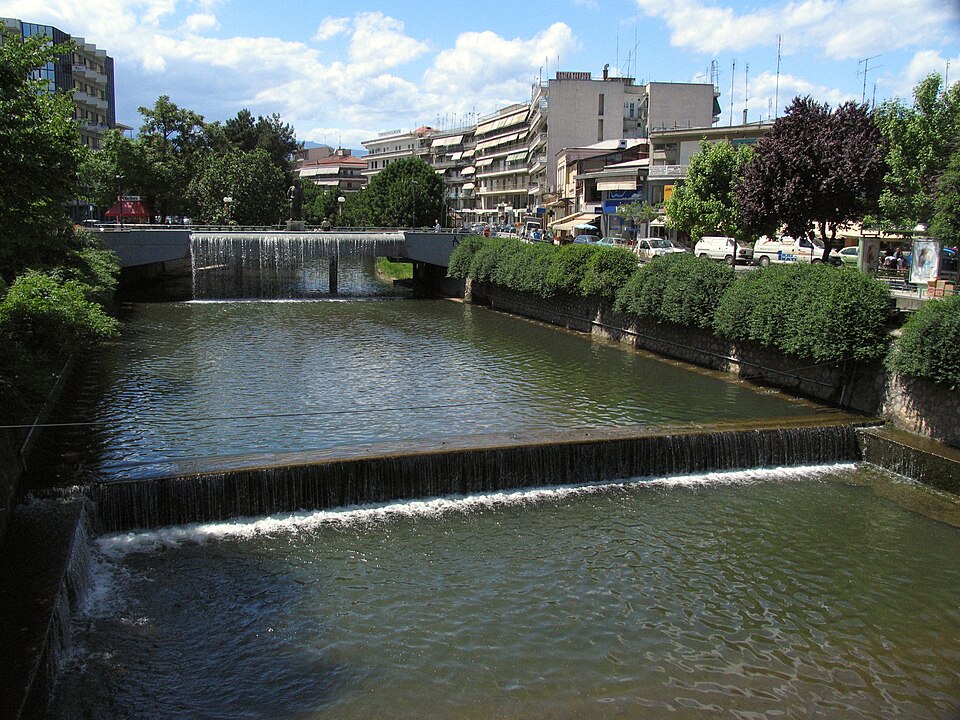
The Byzantine fortress on the hill — built on Hellenistic foundations occupying the old acropolis — overlooks the town and the river Lithaios, which splits Trikala neatly in two. The Varousi quarter at its base is the city's most charming area, with old stone houses converted into cafes and wine bars. The Osman Shah Mosque near the main square is a well-preserved reminder of four Ottoman centuries. In December, the Matsopoulos Mill hosts a celebrated Christmas festival that makes Trikala a destination in its own right.
If you are heading to Meteora, Trikala makes a reasonable base — Kalambaka is barely half an hour away by bus or car. The city is also well connected to Athens, Thessaloniki, Larissa, and Ioannina.