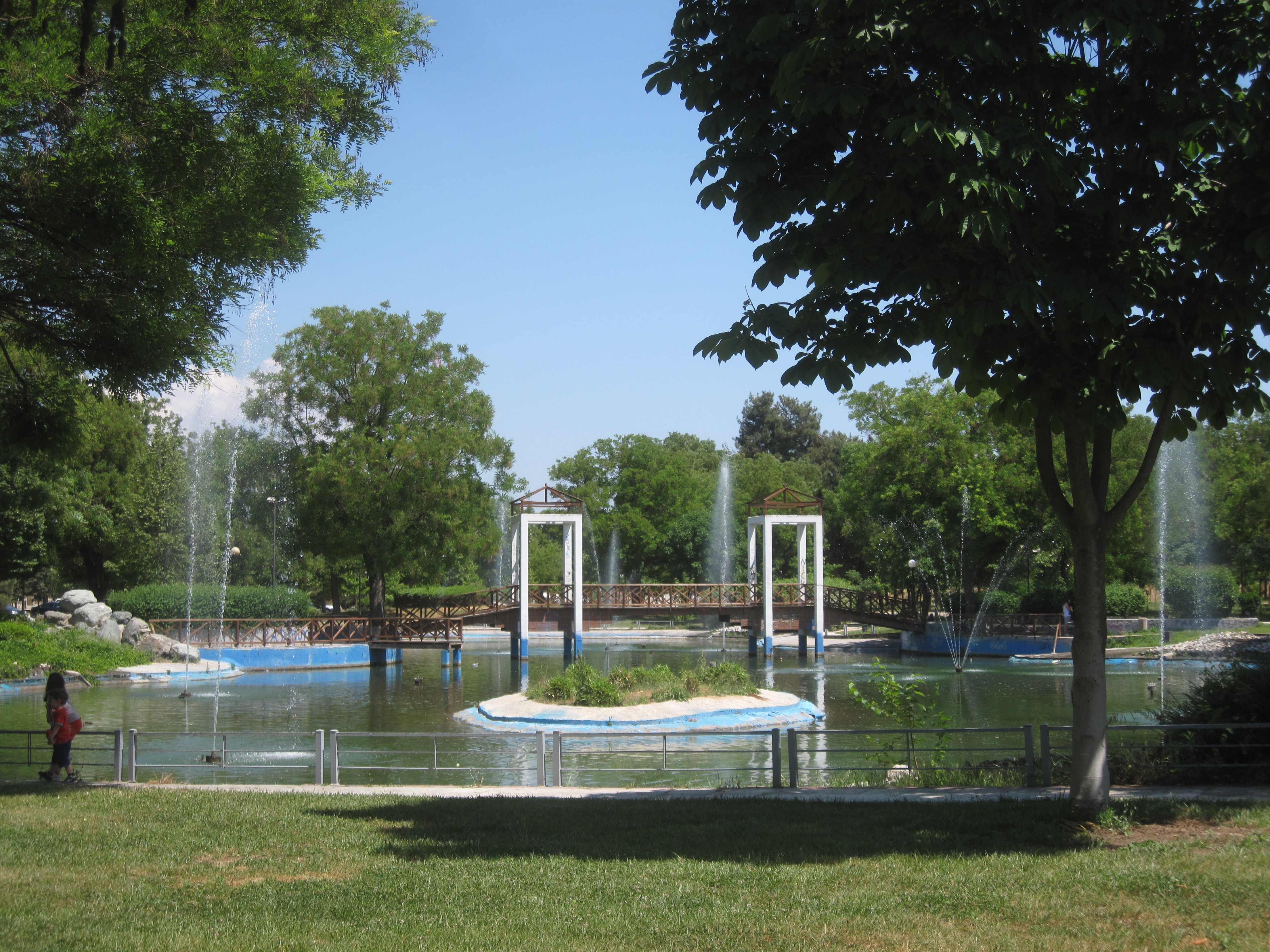
Larissa is the capital of Thessaly and Greece's largest inland city, yet it barely registers on most travellers' itineraries. That is precisely its appeal. This is a working Greek city with a lively university population, excellent tavernas, and none of the tourist infrastructure — or prices — of the islands.
The city sits on the Pineios River with the bulk of Mount Olympus visible to the northeast. Two ancient theatres survive on Frourio Hill in the centre: the First Ancient Theatre, a large Hellenistic structure seating 10,000, and the Second Ancient Theatre, both free to visit and often empty. Climbing the hill also reveals the remains of the Ottoman city that once occupied Thessaly — the Bayrakli Mosque, the Ottoman Baths, and the ruins of the Bedesten covered market are all within a short walk.
The Diachronic Museum of Larissa is the most complete archaeological museum in Thessaly, covering seven thousand years of settlement in the plain. The main square, Plateia Laou, is ringed by cafes and comes alive in the evenings when half the city seems to be out for a stroll. For food, head to the side streets around the old Turkish bazaar area — the mezedes here are some of the best in central Greece, and prices are a fraction of what you would pay in Athens.
Larissa works well as a base for reaching Meteora, which is about an hour west by car or train. Mount Olympus and the Pelion peninsula are both within easy striking distance.