Albacete is the biggest city in Castilla-La Mancha, flat on the sun-baked plains of the region made famous by Cervantes' Don Quixote, halfway between Madrid and Alicante on the high-speed AVE train line. It has none of the picturesque Castilian charm of its smaller neighbours — no medieval centre, no dramatic hilltop fortress — but a handful of handsome 19th-century buildings, wide pedestrian streets, and the excellent Museum of Albacete whose collection of Iberian stone sphinxes (the 4th-century BC Cerrillo Blanco Bulls) and a complete set of Roman dolls from a child's grave are worth the stop.
Two things the city is genuinely famous for across Spain: navajas, the folding pocket knives that have been made here since the 16th century (there is a small knife museum — the Museo de la Cuchillería — in a striking neo-Gothic mansion on the main square), and the annual Feria de Albacete in September, one of the oldest and most traditional fairs in Spain, with ten days of bullfights, horse shows, flamenco and the famous Gothic-style fairground recinto.
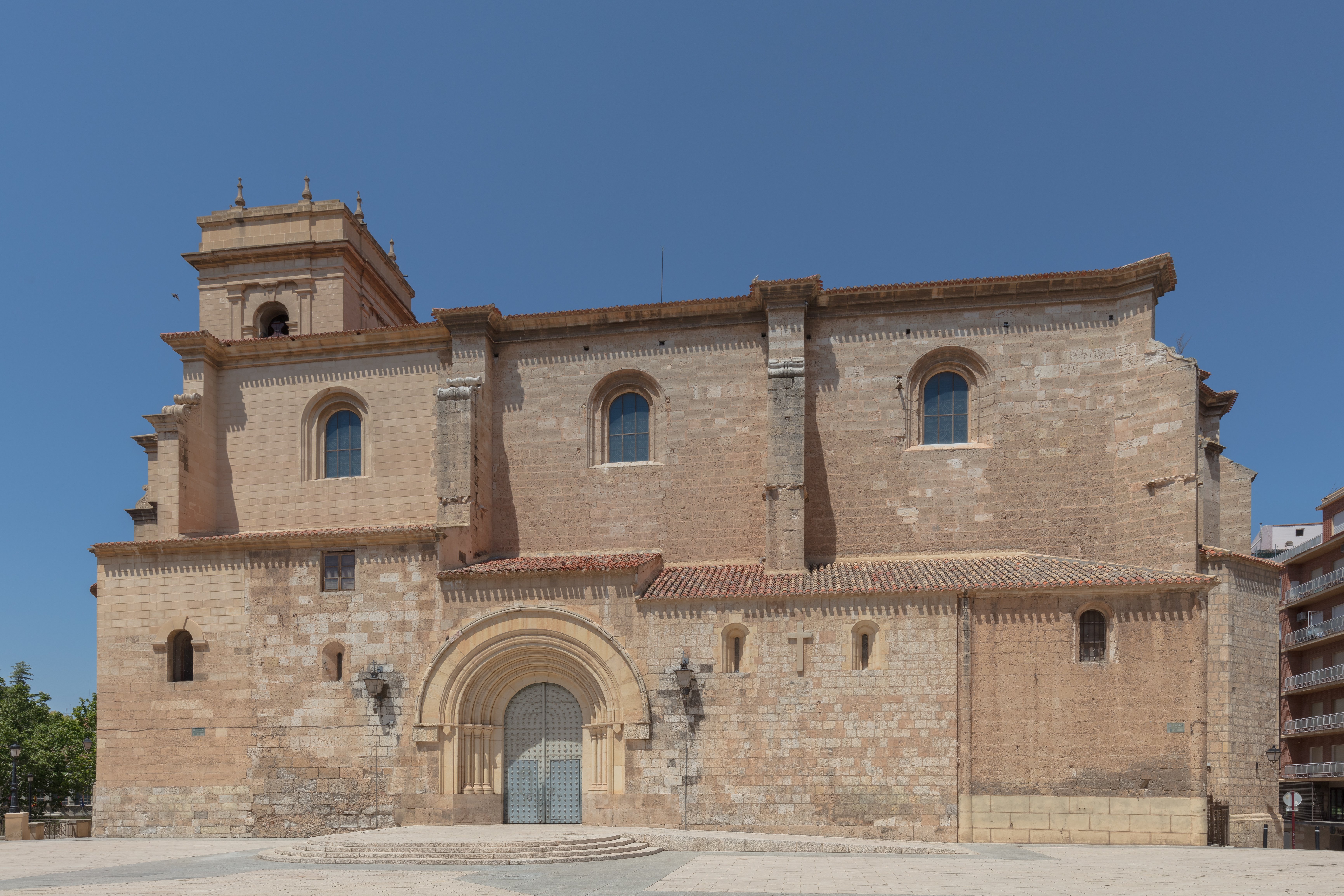
The walk through the centre takes in Plaza del Altozano, the Italianate glass-roofed Pasaje de Lodares, the 16th-century Cathedral of San Juan Bautista, and the green Parque Abelardo Sánchez where the provincial museum sits.