Amorgos
©
Amorgos

Amorgos

Cycladic island of steep rock, deep blue water, and a cliff-hung white monastery

Amorgos is the easternmost island of the Cyclades, a long narrow ridge of rock and scrub rising steeply from the Aegean. It is quieter and less developed than the big-name Greek islands, and it has stayed that way partly because it takes a while to get here — ferries from Naxos or Piraeus are not quick.

The island became famous as the setting for Luc Besson's Le Grand Bleu (The Big Blue), and the deep blue water that attracted the filmmaker is still the main draw. The monastery of Panagia Hozoviotissa, a white slash of a building clinging to a 300-metre cliff above the sea, is one of the most dramatic sights in the Cyclades. Inside it is tiny — just a few dark, incense-scented rooms — but the setting is unforgettable.

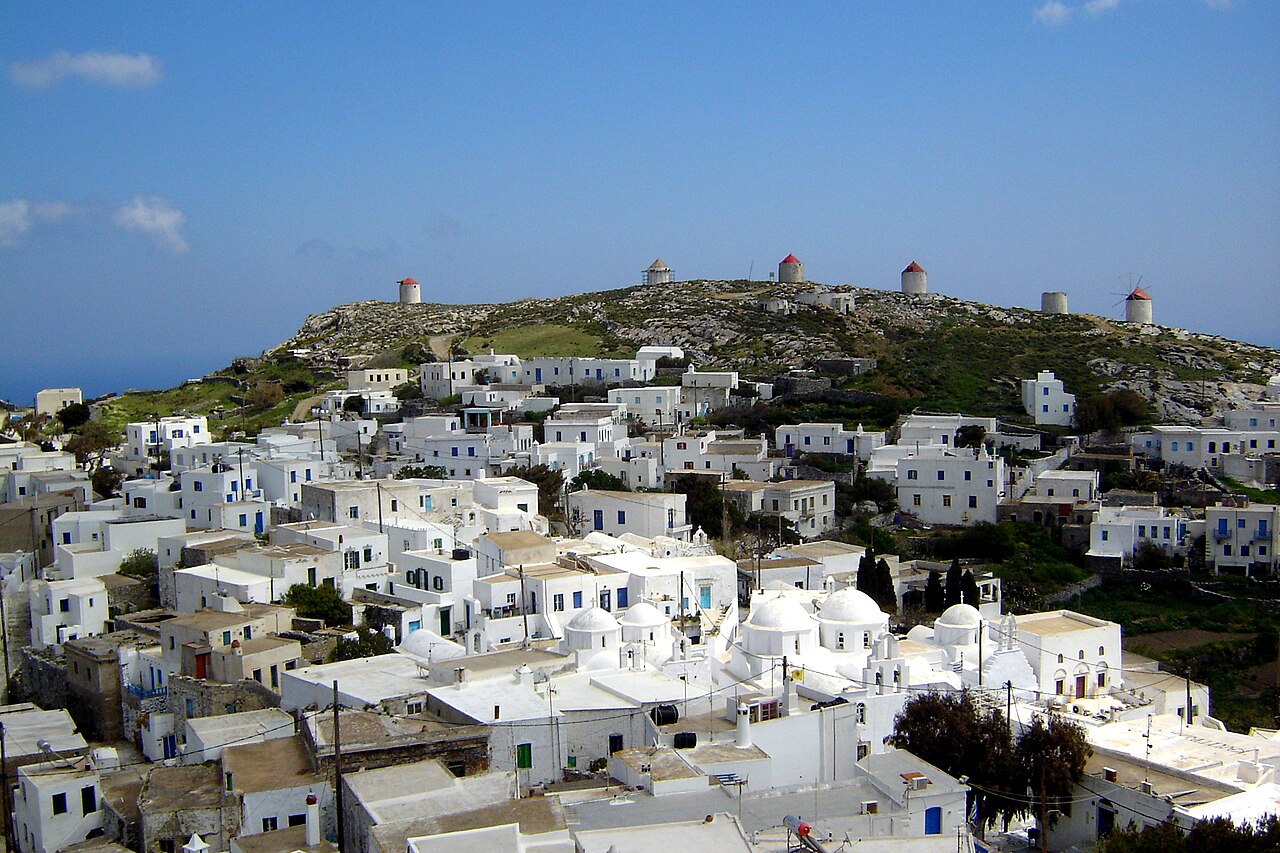
Chora, the main village, is a classic Cycladic hilltop settlement: whitewashed houses, winding lanes, a handful of tavernas where you eat on terraces overlooking the sea. The south coast has the best swimming at Agia Anna beach, directly below the monastery. Hiking trails connect the villages across the island's spine, and the walking is excellent if you can handle the heat. Most visitors arrive by ferry at Katapola, the main port on the west coast.

Guide

Eating Out

Eating on Amorgos is straightforward and good. The island has no pretensions about cuisine — tavernas serve grilled fish, octopus, Greek salads, and local cheeses, and they do it well because the ingredients are fresh and the competition is limited. Chora's main square has the most choice; Katapola's harbour front is the alternative.

Guide

Getting There

Amorgos has no airport. The only way to arrive is by ferry, and it is a long ride from the main hubs. From Piraeus, high-speed catamarans take around 5–6 hours; the slower conventional ferries take 9–10 hours overnight. From Naxos, there are ferries most days in summer, taking 2–3 hours. The Blue Star Ferries line serves Amorgos on the eastern Cyclades route.

There are two ports: Katapola on the west side of the island, which receives most traffic, and Aegiali in the north, served by some ferries. Check which port your ferry arrives at, as they are 15 kilometres apart by road. A local bus connects the main villages and ports, running a few times daily in summer. Taxis are available but limited.