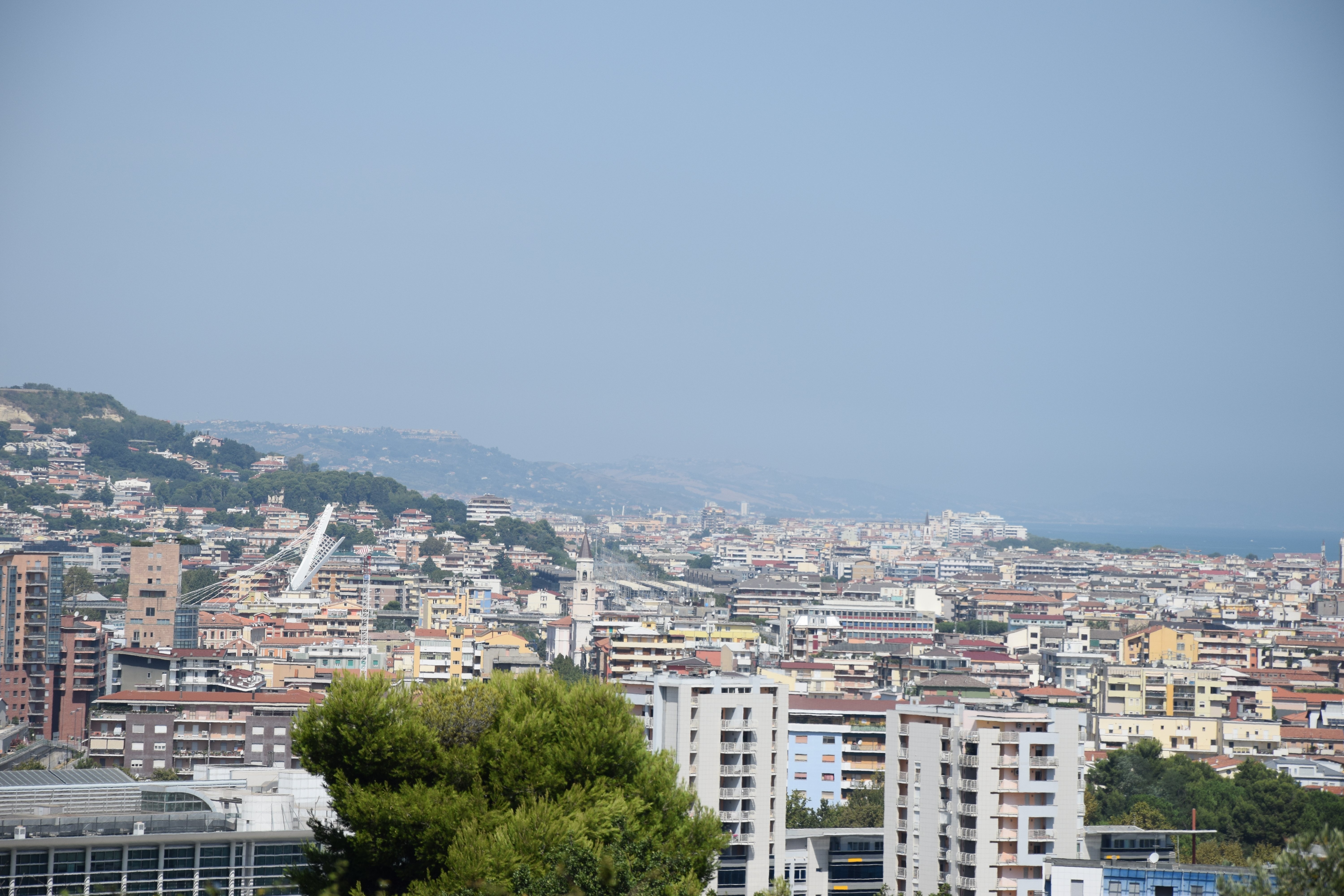
Pescara is Abruzzo's largest city and its main beach resort, stretched along more than 20 km of sandy Adriatic coast. It is a modern city — largely rebuilt after heavy bombing in World War II — with little of the medieval character found in nearby towns like Chieti or Lanciano. What it offers instead is a lively seafront, warm summer nights, and a beach and nightlife scene that draws Italians from across the region.
The city is the birthplace of the poet Gabriele d'Annunzio, whose childhood home is now a museum and one of the few buildings in the city to survive the war intact. The Museo delle Genti d'Abruzzo, housed in a former Bourbon prison near the old quarter, is the most engaging museum for those wanting to understand the region's pastoral and historical identity. The modern art museum, the Cascella civic museum, and the Paparella Treccia Devlet decorative arts collection fill out the cultural picture without overwhelming a short visit.
The social heart of the city is Piazza Salotto — the informal name for Piazza della Rinascita — from which the pedestrianised Corso Umberto I runs down to the sea. The Ponte del Mare, a cable-stayed footbridge at the mouth of the Pescara river, is the city's most photogenic modern structure. South of the river, the Pineta Dannunziana pine forest offers shade and a quieter stretch of coast.
Pescara is primarily a departure point: the airport connects to Rome and other Italian cities, and the mountains of the Gran Sasso and Majella are an hour's drive inland. The Pescara Jazz Festival, held each July, is one of Italy's oldest and most respected jazz events and worth timing a trip around.