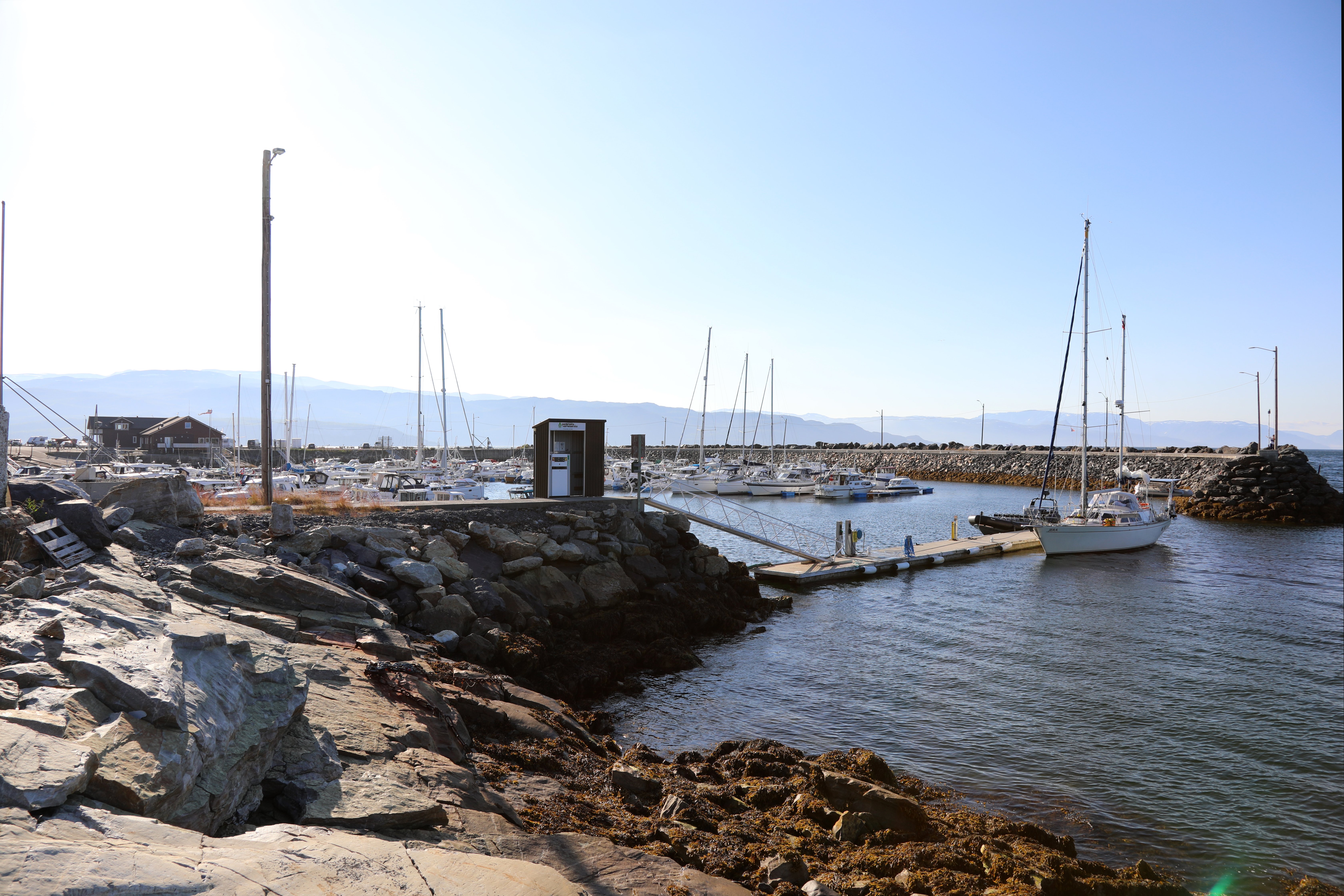
Alta sits at the head of the Altafjord in Finnmark, about as far north as you can get in Norway and still find a proper town. At nearly 70 degrees north, it is one of the best places in the world to see the Northern Lights, with clear, dark skies from September through March and a landscape that feels genuinely remote.
The main draw for many visitors is the Alta Museum at Hjemmeluft, home to a UNESCO World Heritage collection of prehistoric rock carvings dating back as far as 7,000 years. The carvings depict reindeer, boats, hunting scenes, and human figures, and the outdoor trail along the shoreline where they are found is one of Norway's most memorable cultural experiences. The museum itself does a good job of putting the carvings in context, covering Sami culture and the natural history of Finnmark.
Beyond the rock art, Alta is a base for winter adventures: dog sledding, snowmobile trips across the Finnmark plateau, and ice fishing on frozen rivers. The Sorrisniva Ice Hotel, the world's northernmost, offers an extreme overnight option. The town also sits along the Alta River, one of the world's finest Atlantic salmon rivers, though fishing permits are tightly controlled and not cheap. In summer, the midnight sun lasts from mid-May to late July, and the surrounding landscape of birch forests, mountain plateaus, and fjords is striking in its emptiness.
Alta itself is a modern, spread-out town — it was burned to the ground during the German retreat in 1944 and rebuilt from scratch. It is not pretty in a traditional sense, but it is functional and welcoming, with decent restaurants serving local specialties like reindeer stew and king crab. The Northern Lights Cathedral, a striking spiral of concrete and titanium, is worth a look even if you are not attending a service.