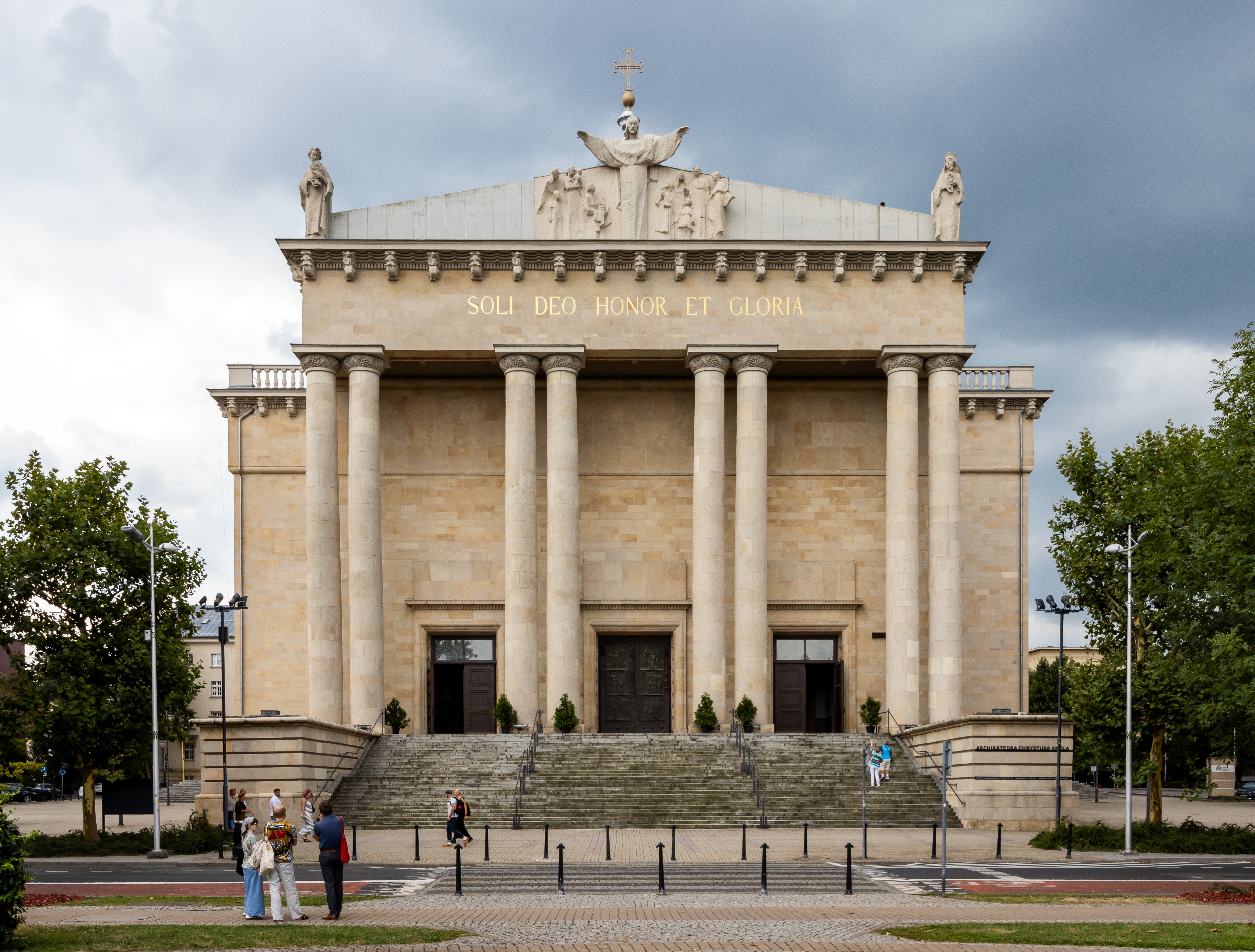
Katowice is the capital of Silesia and the heart of the Upper Silesian conurbation, a sprawling industrial belt that was once the most productive coal and steel region in Central Europe. The city carries that history visibly — the monumental Silesian Museum is built into a former coal mine, and the shaft towers of the Katowice mine rise over the city centre like industrial cathedrals. But Katowice has changed enormously since the mines closed, and what has emerged is one of Poland's most interesting cities for design, music, and contemporary culture.
The city centre has a striking amount of modernist architecture — interwar expressionism, communist-era functionalism, and more recent additions like the Spodek arena, an enormous flying-saucer concert hall from the 1970s that has become the city's signature building. Immediately next door, the angular glass International Congress Centre extends the architectural drama into the 21st century. The Katowice Market Square (Rynek) has been pedestrianised and is surrounded by a mix of 19th-century tenements and modernist blocks. Katowice does not look like other Polish cities, and that is precisely what makes it interesting.
The cultural scene punches well above the city's modest tourist profile. Katowice hosts one of Europe's best jazz festivals (Jazz Jamboree), an international film music festival, and a design biennale. The European Centre for Music is a striking contemporary building near the station, home to the Polish National Radio Symphony Orchestra. The Silesian Theatre, the largest in the region, anchors the cultural calendar with a strong drama repertoire. Young Poles are increasingly moving here for the cheap rents and genuine creative energy, and the bar scene on Mariacka Street reflects that energy.
Katowice is also a practical base for exploring the wider region. Chorzów, with its vast Silesian Park and the old provincial museum, is on the tram line. Oswiecim and the Auschwitz-Birkenau memorial are about an hour away by train — a visit that belongs on any trip to southern Poland.