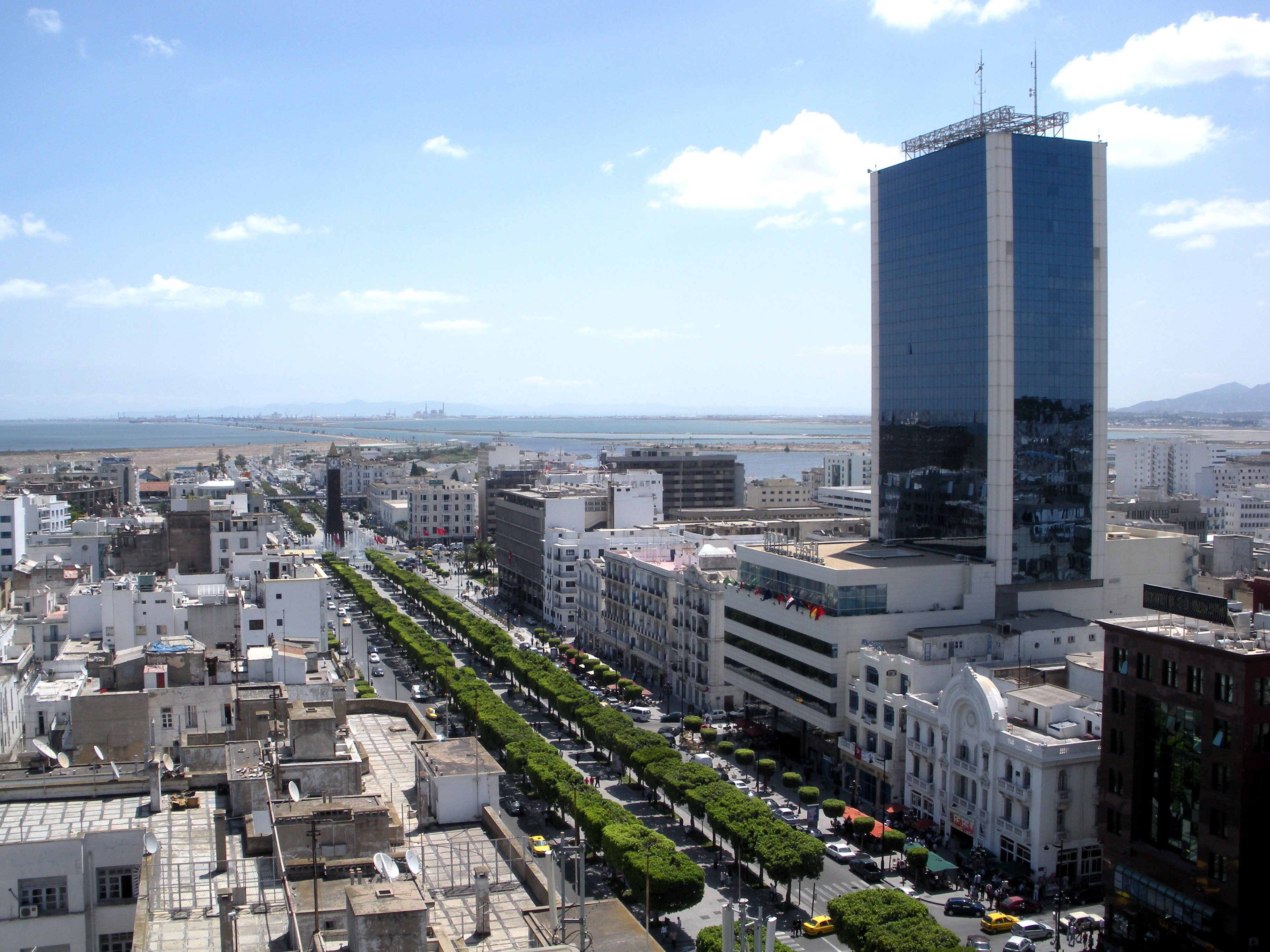
Tunis is a city of layers. The medina, a UNESCO World Heritage Site, climbs a low hill in a tangle of alleys, covered souks, and centuries-old mosques. At its feet, the French-built Ville Nouvelle stretches along broad, tree-lined avenues with sidewalk cafes and art-deco facades. The contrast between the two is the city's defining quality -- you can step from a 13th-century madrasa into a Parisian-style boulevard in under a minute.
The Bardo Museum, housed in a former palace on the western edge of the city, holds the world's largest collection of Roman mosaics. The ruins of Carthage and the blue-and-white clifftop village of Sidi Bou Said are a short train ride away on the TGM suburban line.
In the souks, shopkeepers will try to draw you in with persistence, but beyond the tourist tat you can find good Arabic music on cassette, spices, and handmade goods at reasonable prices. The French quarter has a more relaxed energy -- big terraces, good coffee, and a Mediterranean feel that catches you off guard this far south.
Tunis is not a polished capital. Infrastructure can be rough, traffic is chaotic, and some neighbourhoods are best avoided after dark. But it is genuine, affordable, and a rewarding base for exploring northern Tunisia.